Full Article
about Vallfogona de Riucorb
Spa town known for its historic Rector and thermal waters in the Corb valley.
Hide article Read full article
A Hilltop Village in the Conca de Barberà
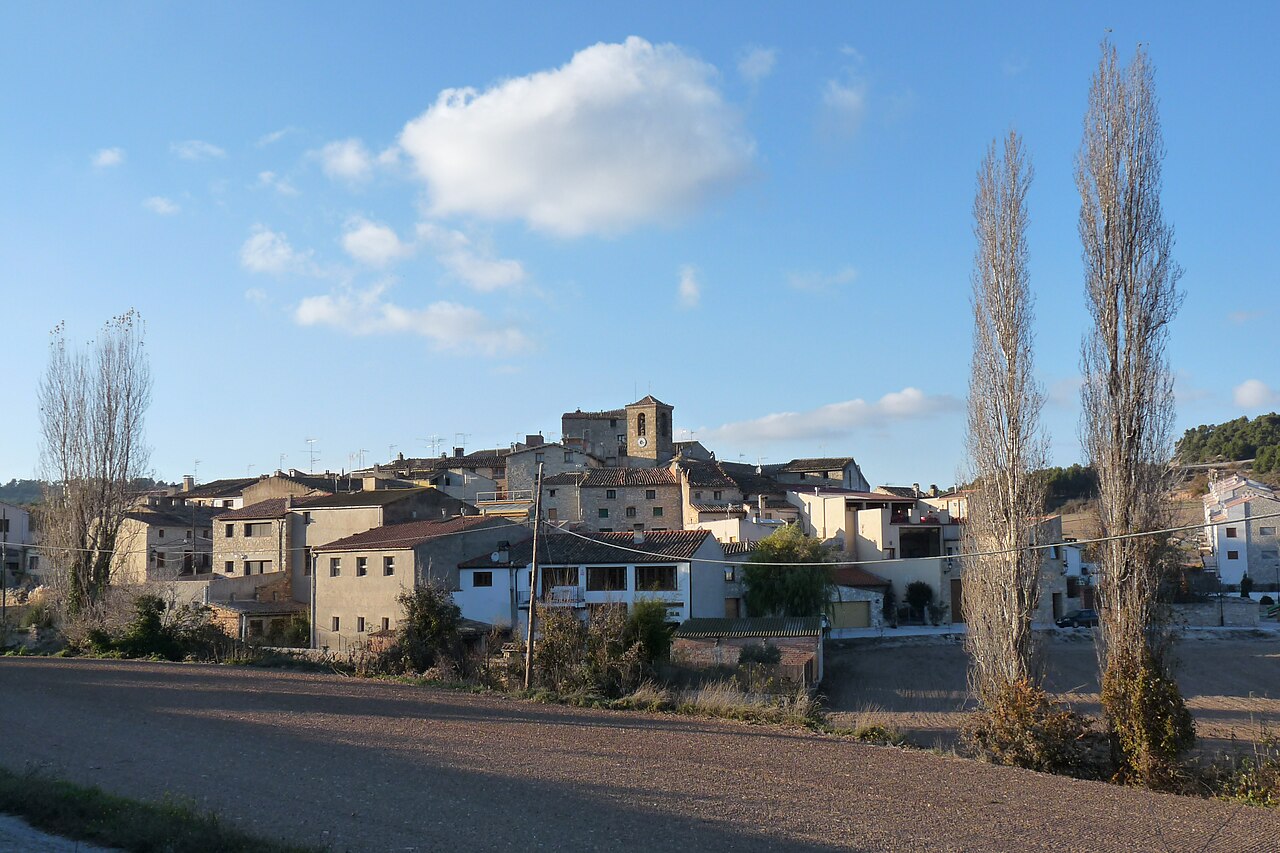
By mid-morning in Vallfogona de Riucorb, the air in the main square often sits completely still. A door closes somewhere, church bells ring briefly, dry leaves scrape across the ground as someone walks by. Fewer than a hundred people live here, on a gentle rise above the fields of the Conca de Barberà in inland Catalonia. From this height, stone houses cluster around the church and the landscape opens out towards cultivated land stretching in every direction.
The village stands on a low hill. A simple way to explore is to begin at the parish church and follow the streets as they slope gradually downwards. Stone façades, old doorways and thick walls reflect a community that relied for generations on what the surrounding fields could provide.
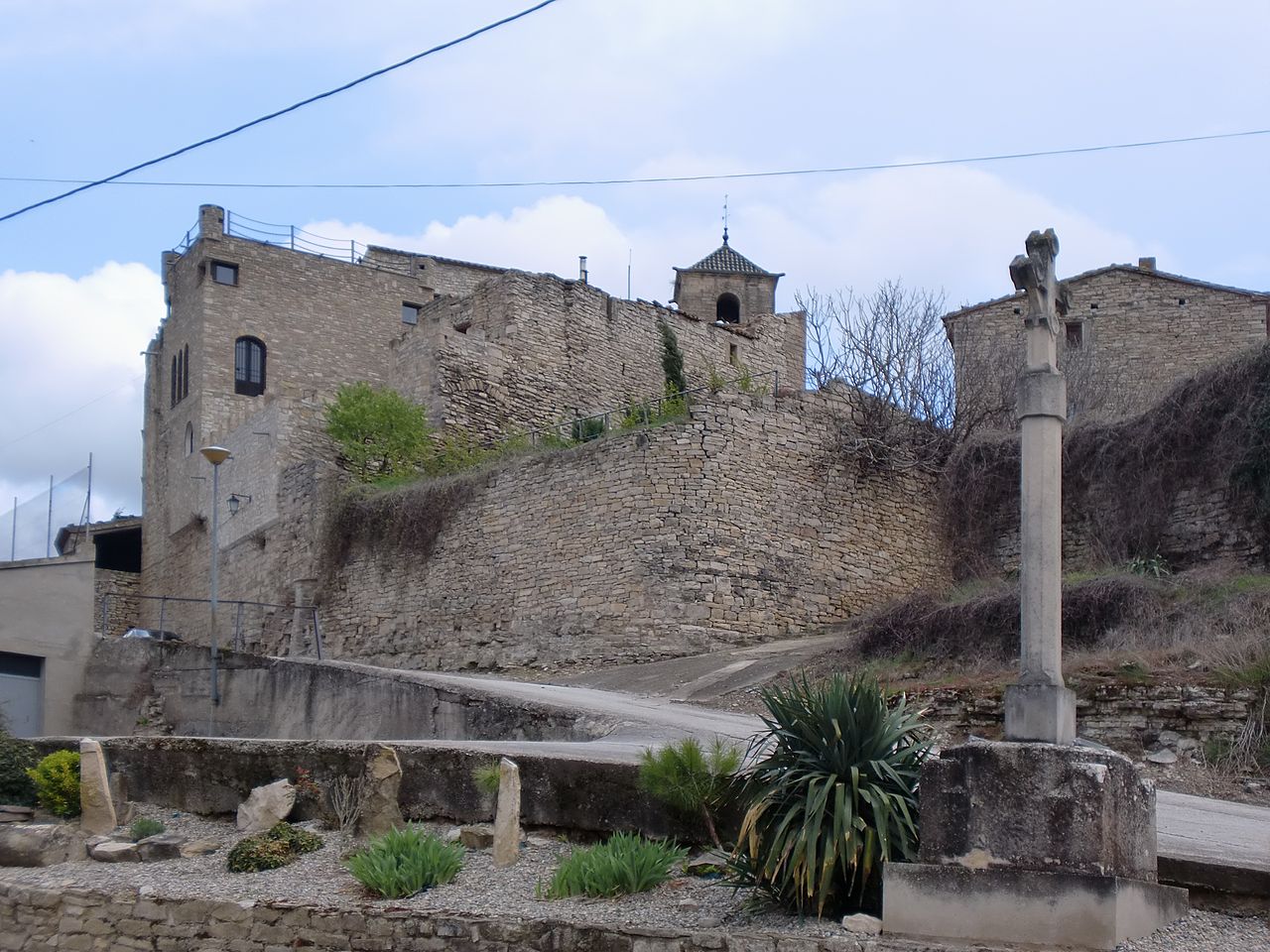
The church of Santa Maria is visible from almost every corner. It combines different construction phases, something common in rural Catalan churches that evolved over time rather than being built all at once. Inside, you may notice the understated details typical of Catalonia’s rural religious architecture, best appreciated when the building is quiet and undisturbed.
The Rector of Vallfogona
Vallfogona de Riucorb is the birthplace of Francesc Vicenç Garcia, born in 1582 and better known as the Rector de Vallfogona. He was both priest and poet, and his satirical verses circulated widely in Baroque Catalonia. His name still carries weight in discussions of Catalan literature from that period.
Walking through the village helps place him in context. The setting is made up of short streets, interior courtyards and the occasional shaded bench where time seems to move at a slower pace. There are not always dedicated spaces open to visitors in his memory, yet the reference remains alive in the village and across the comarca. His figure continues to be mentioned when the literary history of the era comes up.
Short Streets, Slow Rhythm
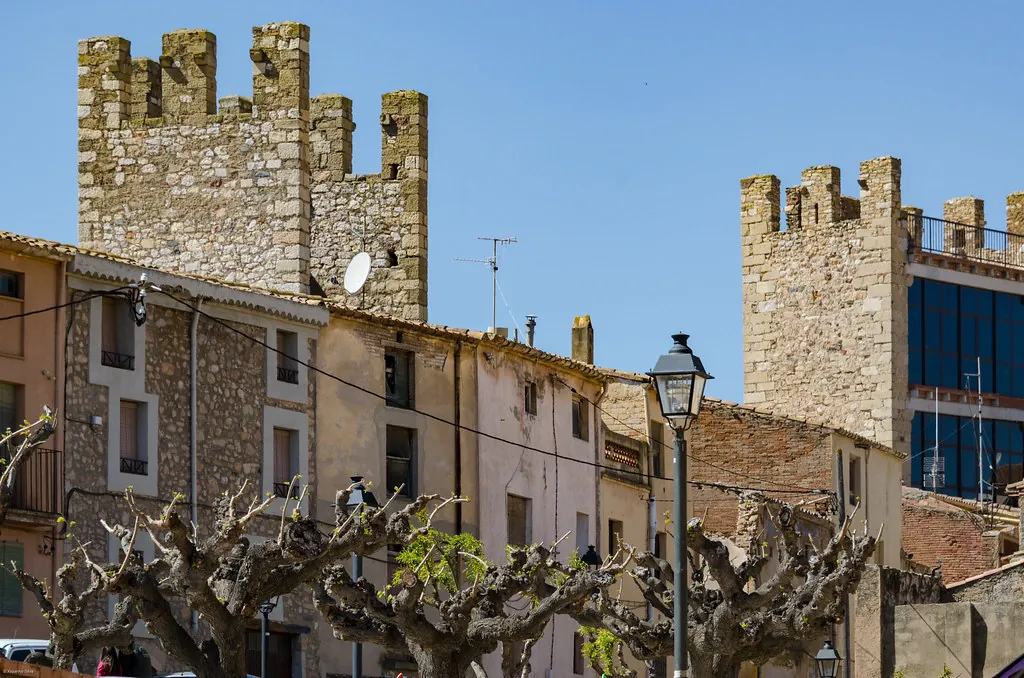
The historic centre can be covered in a short time. Streets are narrow and sometimes open into small squares. Details from its agricultural past appear here and there: former animal pens incorporated into houses, large wooden gates and stone walls that have endured season after season.
What stands out most is not a single monument but the quiet. At many times of day, hardly anyone passes through. The atmosphere defines the experience more than any landmark. In summer, early morning or late afternoon tends to be the most comfortable time to walk, once the heat eases and lower light slides across the stone façades.
There is no sense of hurry. Vallfogona de Riucorb does not present itself as a place of major attractions or packed itineraries. It works better as a pause, somewhere to wander briefly and take in a way of life shaped by the land.
Open Fields on Every Side
Step beyond the last houses and rural tracks appear almost immediately. Cereal crops and vineyards shape a wide, open landscape that changes noticeably with the seasons. Spring brings intense green. As summer arrives, the tones turn golden. After harvest, the fields settle into more muted colours.
Some agricultural paths can be followed on foot or by bicycle without much difficulty. Not all of them are signposted, so it makes sense to consult a map or check the route beforehand if the area is unfamiliar. The terrain around the village is not dramatic, but the sense of space is clear. From the hilltop, the fields seem to breathe with the weather and the farming calendar.
The Conca de Barberà is a comarca, a county-level area within Catalonia, known for its agricultural landscape. Vallfogona sits quietly within it, slightly elevated above the surrounding farmland.
Wine, Nearby Towns and the Flavours of Inland Tarragona
From Vallfogona de Riucorb, other towns in the comarca can be reached in a short time. Montblanc lies relatively close, and its walled enclosure often draws more activity at weekends. The monastery of Poblet is also within reach, one of the best-known Cistercian complexes in Catalonia and an important reference point in the region.
The area forms part of the Denominación de Origen Conca de Barberà, a Spanish quality designation for wine. Several nearby villages produce wines that are often fresh in style, with a notable presence of local grape varieties. Visits to wineries are usually arranged in advance.
Food in this part of inland Tarragona remains closely tied to the countryside. Cured embutidos, locally produced olive oil and substantial dishes when the weather turns cold are common features. In season, calçots, long spring onions grilled over flames, appear on many tables. Stews such as rabbit with snails are also typical in the comarca.
Vallfogona de Riucorb itself is not a destination for extensive sightseeing or a packed schedule of activities. Its appeal lies elsewhere. A short walk through the streets, the sound of wind moving across open fields, the awareness of how small communities in the Conca de Barberà continue at their own rhythm. Silence here is not an absence but part of the landscape itself.