Full Article
about Vilanova de Prades
High-mountain village known for its chestnuts and exceptional natural setting
Ocultar artículo Leer artículo completo
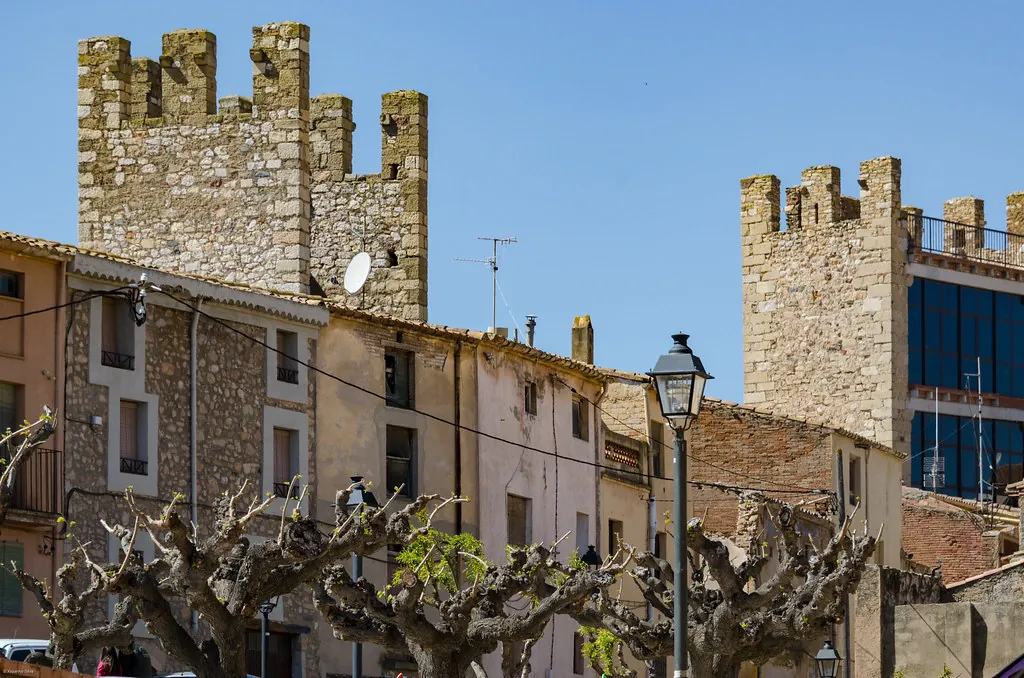
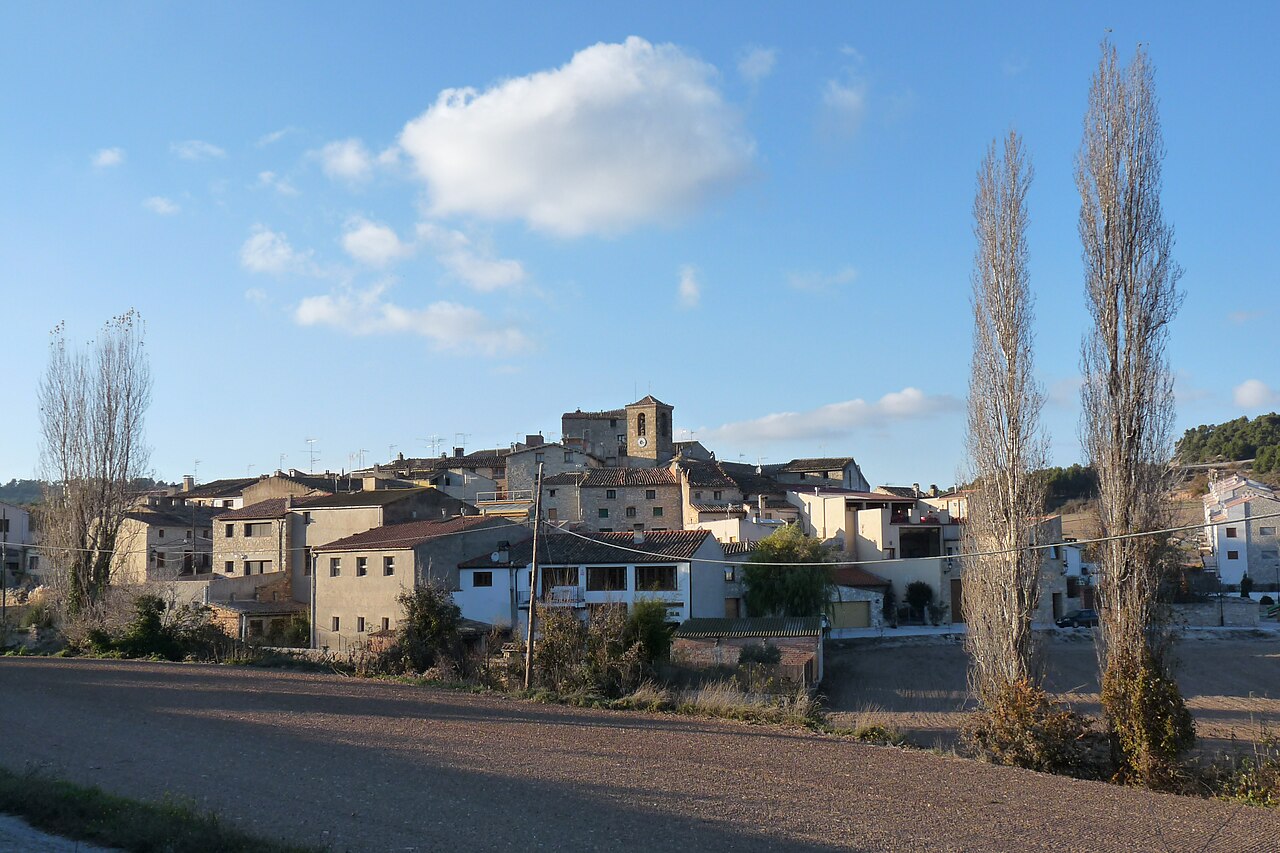
The road signs give up before you arrive. One moment you're winding through pine plantations at 700 metres, the next you're in a limestone cul-de-sac where stone houses lean into the slope like they've grown there. Vilanova de Prades doesn't do grand entrances. The village simply appears—population 117, altitude 900 metres, and enough silence to make your ears ring.
A Village that Breathes with the Seasons
Monday to Friday, Vilanova de Prades belongs to the wind and the occasional farmer. The stone portals along Carrer Major stay shuttered, their wooden doors painted colours that haven't been fashionable since Franco's time. Come Friday evening, things change. Second-home owners from Tarragona and Barcelona unlock holiday houses, light wood-burners, and suddenly there's conversation echoing off the limestone. The transformation happens without announcement—no estate agents' boards, no artisan bakeries popping up. Just neighbours greeting each other across narrow lanes that were designed for donkeys, not SUVs.
The altitude makes itself known. Even in July, when the Costa Dorada swelters thirty kilometres away, evenings here demand a jumper. Winter arrives early and stays late. The village has seen snow in April, and January temperatures can drop to minus eight. Access isn't guaranteed when weather closes in; the CV-2421 from L'Espluga de Francolí gets icy enough to make rental-car insurance worth reading properly.
What Passes for Action
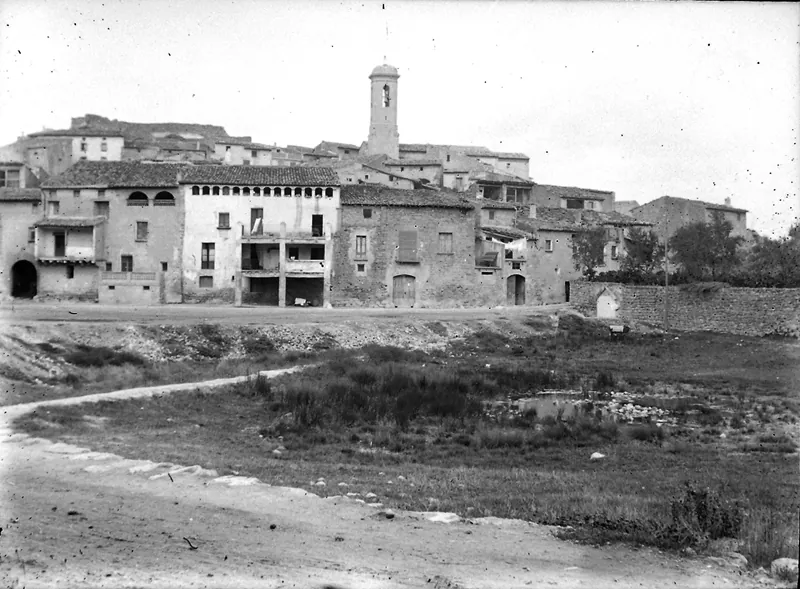
The parish church of Sant Miquel squats at the top of the village like a weathered watchdog. It's modest—single nave, stone bell-tower, renovations that happened whenever money allowed. Inside, the walls hold layers of lime wash that flake away to reveal earlier colours, archaeological evidence of changing tastes without needing a museum label. The building's real significance is social: it's where the village gathers for the Chestnut Festival each October, when temporary stalls appear roasting castanyes over open fires and someone uncorks last year's hazelnut wine.
Beyond the church, the urban centre runs out quickly. There's a small square with a stone cross, three restaurants (two usually closed Mondays and Tuesdays), and a bakery that opens when the owner's daughter drives up from Reus. No cash machine. No supermarket. The nearest ATM sits thirteen kilometres away in L'Espluga—remember this before ordering rounds at Casal bar, where house red flows at €2.50 a glass and they still chalk tabs on the counter.
Limestone, Pines and the Occasional Boar
The Serra de Prades rises directly from the back gardens. Pine forests cloak limestone ridges that climbers compare to Siurana's famous crags, though here you won't queue for routes. Local guidebooks list sectors with names like Roca Plana and Les Pasteres—short, technical walls catching sun all afternoon, grades from gentle 4+ to brutal 8b. Access tracks are rough but passable in a standard hire car; go slowly unless you fancy explaining stone-chip damage to Goldcar staff.
Walking options suit fair-weather strollers and proper hikers alike. A thirty-minute loop from the church leads to a natural viewpoint over the Conca de Barberà, where autumn mornings often start with valley fog trapped below like cotton wool. Serious walkers can follow the PR-C 124 path south towards La Mussara, an abandoned village seven kilometres away through holm-oak forest. Whichever route you choose, proper footwear isn't negotiable. The limestone screeds that make climbers happy will shred trainers, and the local hospital is inconveniently distant.
Autumn brings mushroom hunters. October weekends see cars parked half on the verge as families disappear into pine woods with wicker baskets and grandfather's knife. The prized rovelló (saffron milk-cap) appears after late-September rain, but years can be lean. Locals guard productive spots, and picking regulations are enforced—no raking the forest floor, no plastic bags, and definitely no collecting species you can't name with certainty.
Food Without the Fanfare
Vilanova doesn't do tasting menus. What it offers is mountain cooking designed for people who've spent daylight hours outdoors. At weekend-special Els Ceps, botifarra sausage arrives with white beans and a drizzle of local hazelnut oil. The dish tastes exactly as it would have done in 1975—no foam, no deconstruction, just pork and legumes that stick to ribs. Vegetarians survive on pa amb tomàquet: toasted country bread rubbed with tomato, olive oil and salt. It sounds basic until you taste bread made from local wheat, tomatoes that ripened slowly at altitude, and oil pressed from arbequina olives grown twenty kilometres away.
The Chestnut Festival menu runs through October and November. Roasted chestnuts appear by the paper cone, sweet and smoky. Hazelnut cake follows—dense, not over-sweet, the sort of thing your Catalan grandmother would have baked if you'd had one. Wine comes from cooperatives in Conca de Barberà; light, fruity reds that suit British palates more accustomed to Beaujolais than Barolo. Prices remain stubbornly reasonable: three courses with wine rarely tops €25, partly because there's nowhere else to spend your money.
When Things Go Wrong (and Right)
Mobile signal dies the moment you leave the main square. Vodafone disappears completely; EE holds one bar if you stand near the church fountain. This isn't the place for Instagram live streams or even reliable Google Maps. Download offline maps before arrival, and tell your Airbnb host how to find you if plans change.
The village's honesty about its limitations becomes refreshing once you adjust. There's no pretending Vilanova offers nightlife, shopping, or cultural attractions beyond its own quiet rhythms. What it delivers instead is space to breathe—literally, at 900 metres, and metaphorically, in streets where traffic consists of the baker's van and the occasional tractor. Summer weekends bring families, but even August never feels crowded. Everyone's here for the same reason: to escape lower-altitude heat and coastal crowds without flying to Greece.
Winter visits require commitment. Many restaurants close, second homes stay shuttered, and snow can isolate the village for days. Yet the reward is yours alone: forests silent except for boar rustlings, limestone cliffs white with frost, and skies so clear you understand why they built the observatory on nearby Mont-roig. Bring chains for car tyres, supplies for a siege mentality, and enjoy having Prades mountains to yourself.
Leave before checkout time and you'll pass the baker driving up, windows open, radio playing Catalan pop. Wave—she knows you're leaving money in the village that keeps this place alive between Mondays and Fridays when silence returns, the wind moves through pines, and Vilanova de Prades gets on with being a small mountain village that never asked to be anything more.