Full Article
about Vilaverd
Village in the Riba narrows with the Montgoi shrine and medieval past.
Ocultar artículo Leer artículo completo
A Village that Measures Altitude, Not Buzz
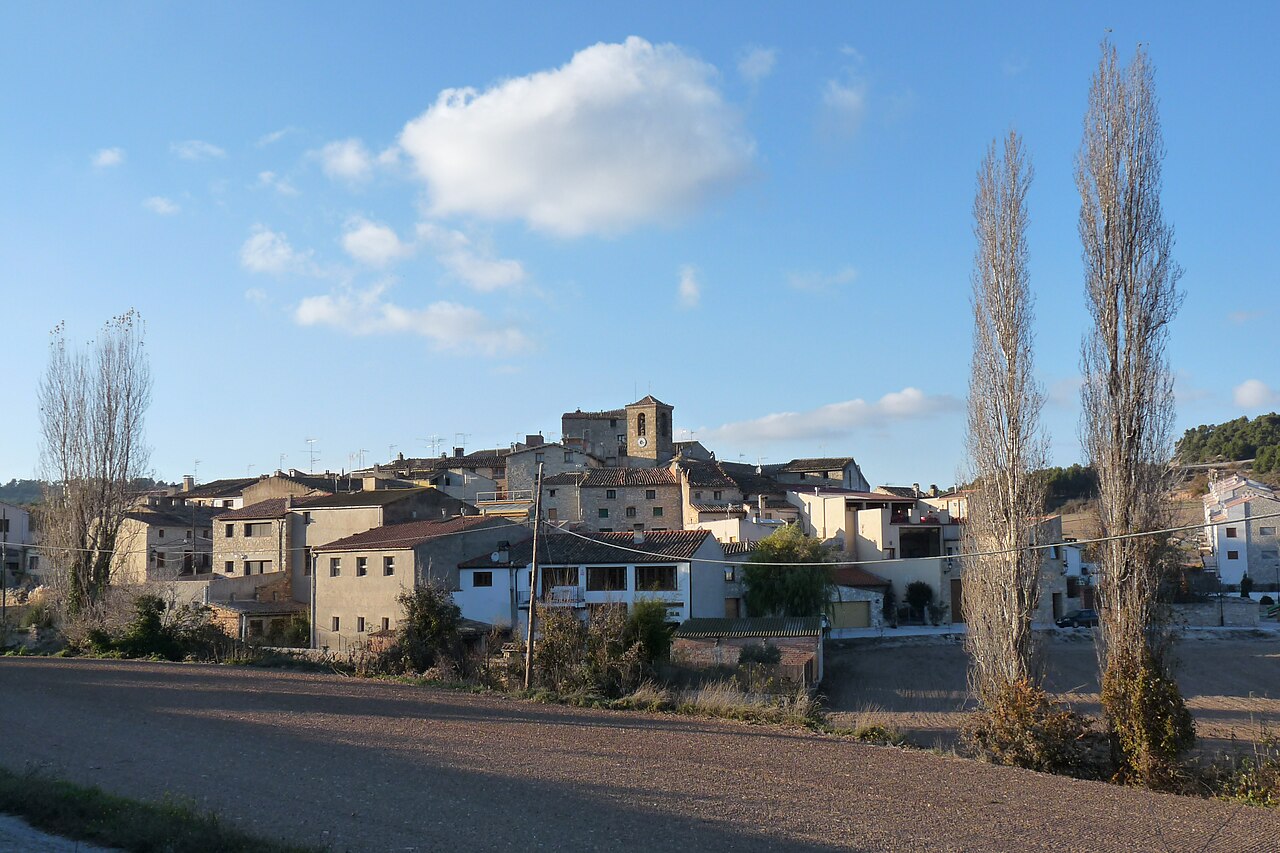
At 269 metres above sea level, Vilaverd sits just high enough for the air to feel cleaner than Barcelona’s, yet low enough to avoid the snow-drifts that block nearby Prades until March. Morning mist pools in the cereal fields, thinning just before nine to reveal rows of Trepat vines stitched across the valley like regimental stripes. From the church roof you can see the snow line on the Serra de Prades; turn 180 degrees and the land drops gently towards the Costa Daurada, 35 minutes’ drive away. That split personality—mountain coolness on one side, coastal warmth on the other—means locals keep both a fleece and a sun-hat by the door.
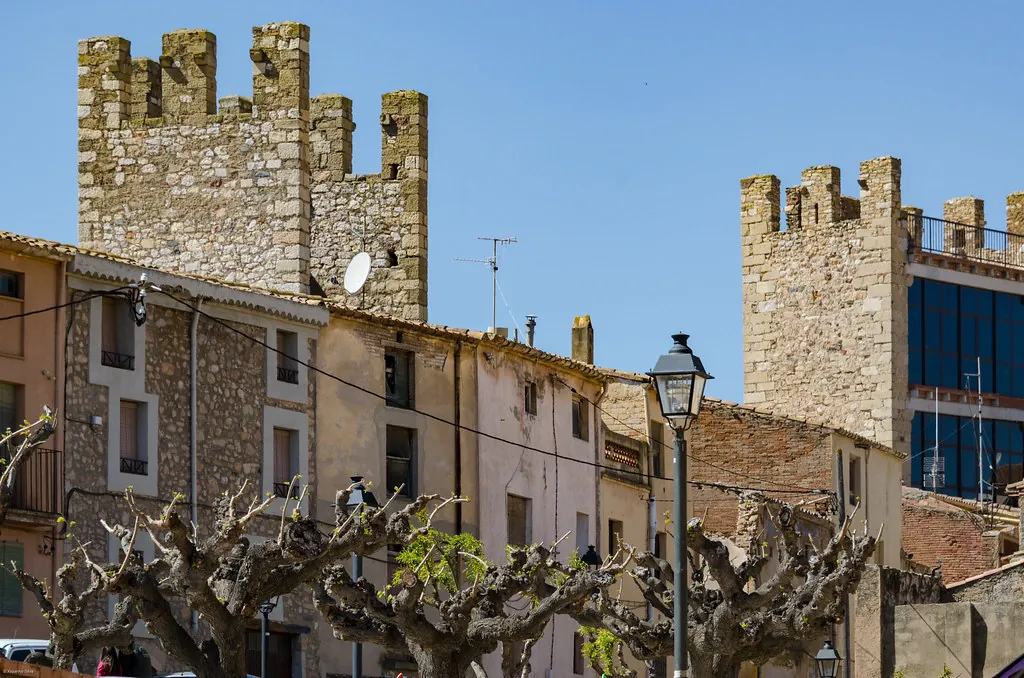
The village itself is built on a narrow limestone shelf. Streets tilt enough to make calf muscles notice, but nothing that requires hiking poles. Stone houses are bonded with caramel-coloured mortar, the same shade you’ll later find in your wine glass when the sun hits a glass of Trepat rosé at noon. Traffic lights don’t exist; the only red glow after dark comes from the cigar stub of the night-watchman doing his rounds at 23:00 sharp.
What Passes for a Centre
There is no plaza mayor in the Castilian sense. Instead, three modest squares—Plaça de l’Esglèsia, Plaça del Pou, Plaça dels Rentadors—form a loose triangle where life leaks outdoors. Bakery vans double-park; dogs nap under the olive tree; elderly men shuffle dominoes on a card table borrowed from the bar. The bar, by the way, is called Cal Quim and opens at 06:30 so vineyard crews can knock back espresso laced with brandy before pruning. If you need Wi-Fi, sit on the bench outside the town hall: password “Vilaverd123” is taped to the door because the secretary got tired of repeating it.
The 16th-century church of Sant Joan Baptista anchors the triangle. Its bell tower leans two degrees—nothing catastrophic, just enough to make photographs look accidentally arty. Inside, the cool air smells of wax and extinguished candles. A side chapel displays a wooden Christ whose knees are worn smooth from being dressed in real trousers each August for the Fiesta Mayor. Entry is free; silence is expected; the side door is usually unlocked until 19:00.
Vineyards You Can Walk Into
Leave the triangle by Carrer de la Font and within four minutes tarmac turns to compacted clay flanked by trellises. Yellow way-markers (a grape-bunch logo) indicate a 5-kilometre loop that crosses the Pont Vell, a single-arch medieval bridge wide enough for a donkey but not a Seat Ibiza. Below, the river Farena has carved out swimming-sized pools; bring a towel and expect company only from dragonflies. The loop climbs gently through almond groves, then drops back past Mas Foraster winery where the family dog, Lola, will escort you to the tasting room whether you asked or not.
Tastings cost €8 and include three wines plus a thimble of extra-virgin oil pressed from 400-year-old trees. The Trepat rosé is poured at cellar temperature—cooler than the British norm, warmer than fridge cold—so the strawberry note stays crisp rather than confected. Bottles start at €7; they’ll ship six to the UK for €28, cheaper than budget-airline excess baggage.
If you prefer mileage to merlot, the GR-175 long-distance footpath skirts the village. Head north for 90 minutes and you reach the ridge that separates Conca de Barberà from the Priorat; the return via forest track totals 11 kilometres and 350 metres of ascent. Spring brings wild rosemary and the clatter of wild boar breaking undergrowth; in October the same path smells of resin and toasted almond shells.
The Calendar that Still Dictates Lunch
Agricultural timing rules stomachs. Workers breakfast at 10:00, lunch at 14:30, and consider anything eaten after 21:00 “late”. Visitors self-catering should note the shop closes 14:00–17:00 and all-day Sunday; stock up on Thursday because Friday stock can be thin. Fresh fish arrives in a chilled van on Tuesday and Friday at 11:00—queue early for hake, late for sardines. Bread is sold unsliced; ask for “pa de pagès” if you want the round country loaf that keeps until the following morning.
Restaurant options within the village amount to two. Cal Quim does a three-course menú del dia for €14: think lentil stew, pork cheek slow-cooked in local red, and crema catalana burnt to order. La Esqueleta, attached to the rural lodge, ups the ante with slow-cooked kid goat and red-onion confit, but you’ll need to book—there are only eight tables and half are commandeered by wine-trade visitors on weekends. Both places will, if asked politely, swap the dessert for cheese; the local goat’s cheese is wrapped in chestnut leaves and has the crumbly dryness of a good Wensleydale.
When to Come, When to Stay Away
April and May deliver 22 °C afternoons and hills carpeted in poppies. September offers the same temperatures plus the kinetic theatre of harvest: tractors towing gondolas of grapes, the air humming with wasps drunk on leaking juice. July and August are warm—34 °C is common—but the altitude keeps nights around 18 °C, so sleeping is possible without air-conditioning. British half-term weeks (late May and October) coincide with Spanish working days, meaning accommodation is plentiful and roads quiet.
Winter is a different proposition. Daytime can be 12 °C and bright, but the sun drops at 17:30 and village heating is mostly plug-in electric. January brings the feast of Sant Antoni: bonfires, grilled botifarra sausages, and a blessing of animals that turns the main street into a petting zoo of rabbits, labradors, and the occasional confused sheep. It’s photogenic, but book ahead—every cousin who emigrated to Tarragona returns for the weekend.
Getting Here, Getting Out
Reus airport, 32 minutes’ drive, receives Ryanair and Jet2 flights from Manchester, Birmingham and London between March and October. Hire cars sit in a car park directly opposite arrivals; ignore the hard sell for diesel, unleashed is cheaper and perfectly adequate for the C-14 dual-carriageway. No car? Take the shuttle bus to Reus railway station, then the regional line to La Riba, two kilometres downhill from Vilaverd. Taxi drivers in La Riba are mythical; pre-book through your lodging or prepare for a 25-minute uphill slog with wheelie-case bouncing off gravel.
Montblanc’s medieval walls lie ten minutes’ drive north—worth an afternoon if you need a dose of Gothic arcades. Poblet monastery, a UNESCO site where Cistercian monks still chant at 06:00, is 15 minutes west; visitor entry is €8 and photography inside the church is banned, giving the rare experience of sightseeing without camera-click soundtrack. Combine both in a circular trip and you’ll be back for Cal Quim’s last kitchen orders at 22:00.
The Honest Bit
Vilaverd will not keep adrenaline junkies amused for a week. There is no zip-line, no Michelin star, no nightclub—just the steady rhythm of a place that produces food, wine and people in roughly equal measure. Mobile coverage is patchy beyond the church square; WhatsApp messages sometimes arrive in clumps at 23:00 when the single antenna on the hill decides to cooperate. Rain can turn unpaved lanes into ochre glue that laughs at city trainers.
Yet if the brief is to breathe out, to walk until the only soundtrack is a distant chain-saw and your own heartbeat, the village delivers. You will leave with thighs faintly aching from gradients, a jacket that smells of wood-smoke, and the realisation that somewhere between the vineyard and the bakery, your watch became decorative.