Full Article
about Vimbodí i Poblet
Home to Poblet Monastery (World Heritage) and a glass museum
Hide article Read full article
Vimbodí i Poblet: el pueblo que vive a la sombra del monasterio
Vimbodí i Poblet es como ese amigo tranquilo que siempre está ahí, pero al que solo visitas cuando vas a ver a su hermano famoso. La mayoría llega por el monasterio, punto y final. Te paras en el aparcamiento, ves la mole de piedra y piensas: "¿Y ese grupo de casas de ahí?". Ese es el pueblo. Y tiene más miga de la que parece.
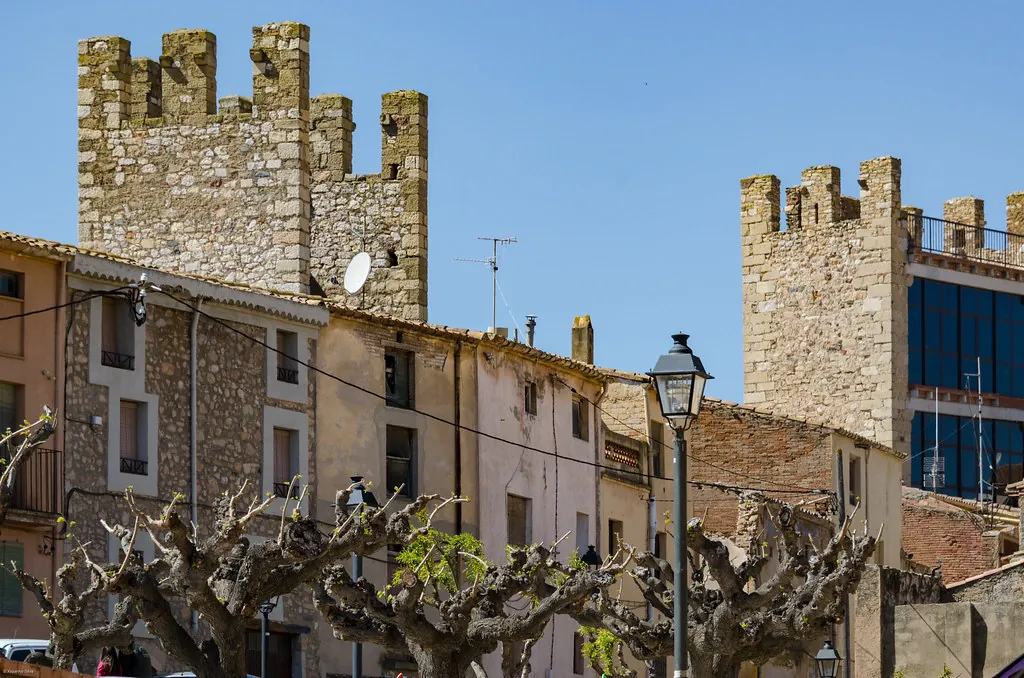
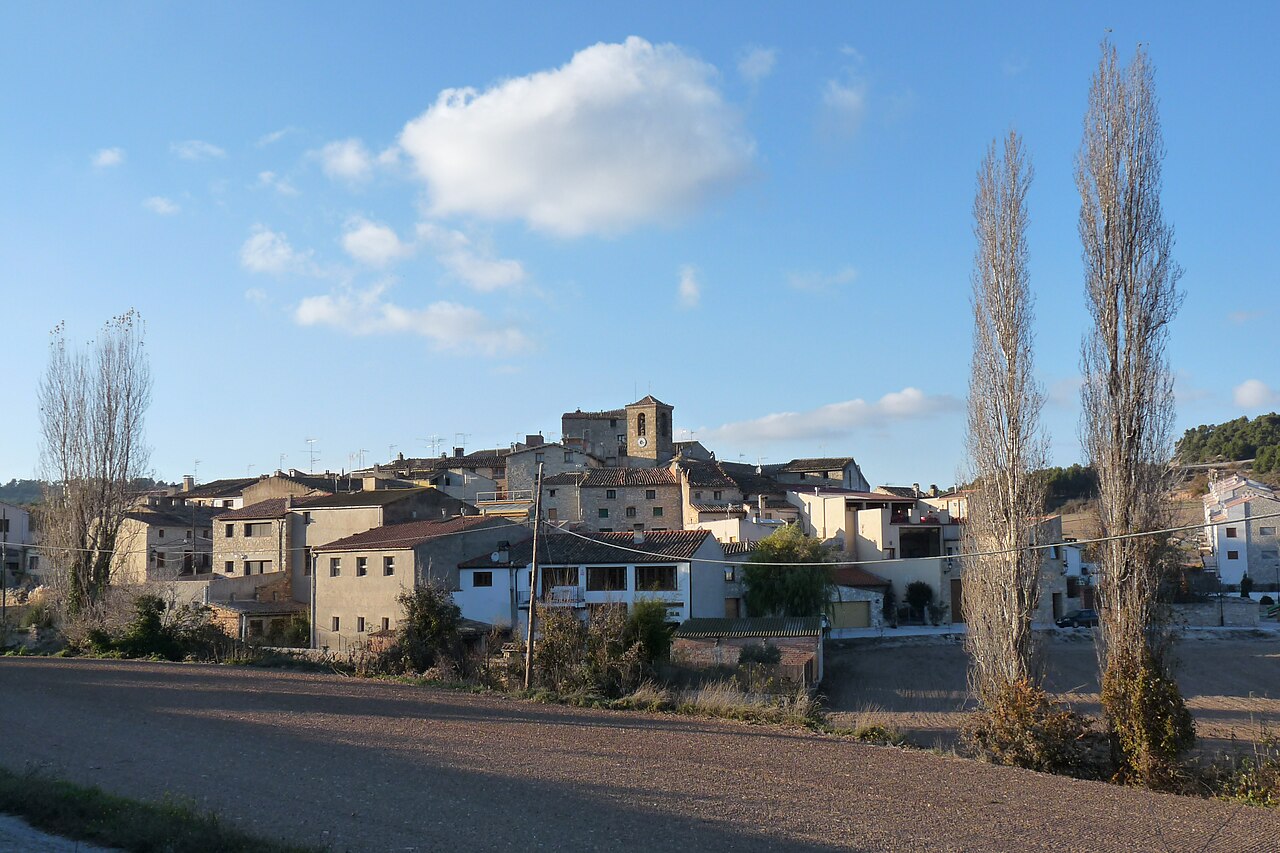
Este rincón de la Conca de Barberà vive bajo un ritmo marcado por dos campanarios: el monumental de Poblet y el más modesto de Vimbodí. Menos de mil personas viven aquí, y se nota en el silencio de las calles un martes al mediodía. No es un sitio que busques activamente; suele aparecer cuando vas hacia Prades o Montblanc y te llama la atención esa estampa de casas de piedra junto a una muralla infinita.
El monasterio que lo eclipsa todo (con razón)
Vamos a ser claros: casi todo el mundo viene por el Real Monasterio de Poblet. Es normal. Es enorme, imponente, y parece una fortaleza sacada de un juego de tronos. Pero lo interesante no es solo la foto desde fuera.
Dentro, el ambiente es otro. Es sobrio, frío en invierno, con ese eco que tienen los sitios muy grandes y muy vacíos. Verás los sepulcros reales, los claustros interminables y salas donde te imaginas a monjes caminando hace siglos. Lo que le da vidilla es saber que sigue habitado. Oyes una puerta cerrarse o ves una luz al fondo del pasillo y piensas: "Ah, esto no es un museo". Eso cambia bastante la visita.
Un consejo práctico: ve con tiempo. No es lugar para ir corriendo. Y lleva algo de abrigo incluso en primavera; la piedra guarda un frío que se te clava.
Vimbodí, el pueblo real (donde nadie te pide una foto)
A dos kilómetros del monasterio está Vimbodí. Es el contrapunto necesario. Aquí no hay tiendas de souvenirs con figuras de monjes, sino panaderías, algún bar donde entran los vecinos y calles estrechas que suben sin mucha explicación.
La iglesia de Sant Salvador es como el pueblo: austera, con mezcla de estilos porque se fue arreglando con lo que había. No te quitará el hipo, pero encaja perfectamente.
Pasear por aquí tiene gracia precisamente porque no hay nada "imprescindible" que ver. Es dar vueltas, mirar las fachadas de piedra, asomarte a una plaza pequeña y seguir. En media hora lo has recorrido, pero te llevas la sensación de haber estado en un sitio donde la gente vive, no solo pasa.
Donde refrescarse sin complicaciones: les Gorgues del Milans
Si el día aprieta o necesitas estirar las piernas, el río Milans ofrece una solución sencilla. Aguas abajo se forman unas pozas naturales llamadas les Gorgues del Milans.
No esperes cascadas ni paisajes épicos. Son como unas piscinas naturales hechas por el río entre pinos y rocas, donde la gente local va a bañarse en verano o a dar un paseo corto los domingos. El camino para llegar no tiene pérdida y no requiere ser un montañero; con unas zapatillas con buen agarre vale.
Es ese tipo de plan B que salva la tarde cuando ya has visto lo principal y quieres algo sin esfuerzo.
Moverse por los alrededores (sin coche)
La zona es buena para andar o ir en bici sin sufrir demasiado tráfico.
- A pie: El GR-175 pasa por aquí y te permite enlazar con otros pueblos a través de bosques y viñedos. Son caminos anchos y tranquilos.
- En bici: Hay una red decente de pistas forestales. Algunas suben hacia las montañas de Prades (para los que les guste sudar) y otras siguen el valle, mucho más llevaderas para un paseo.
Comer como si estuvieras en casa (de alguien del pueblo)
La comida por aquí es contundente y sin florituras. Estamos en zona de interior, así que espera embutidos locales, guisos potentes y setas en temporada. Lo que sí merece atención es el vino. Los viñedos rodean todo esto y la uva reina es la trepat –la encuentras en tintos ligeros y rosados con mucho aroma–. No busques cartas gourmet interminables; busca platos del día escritos en una pizarra.
¿Merece una parada?
Vimbodí i Poblet funciona mejor como parada en una ruta más larga que como destino único. La fórmula ganadora suele ser: mañana en el monasterio (sin prisa), comida en Vimbodí o junto al río, y tarde paseando por las Gorgues o alguna pista cercana. No es un lugar que te cambie la vida, pero sí uno donde se para el reloj durante unas horas. Te vas con la sensación rara de haber visitado dos mundos pegados: uno grandioso e histórico (Poblet) y otro normalito y cotidiano (Vimbodí). Y al final, esa combinación resulta bastante honesta