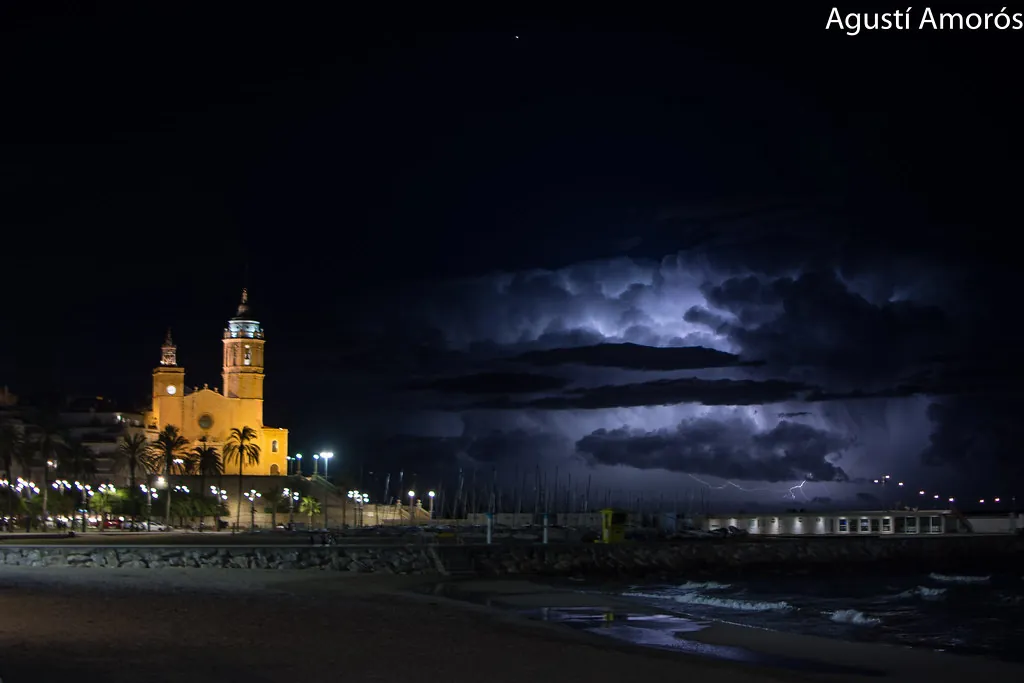
Sant Pere de Ribes, Iglesia de Sant Pere.JPG
Cataluña · Sea, Mountains & Culture

Sant Pere de Ribes

The church bells strike seven and the village exhales. Office workers emerge from the ajuntament, grandparents claim benches in Plaça de la Vila, a...

32,705 inhabitants · INE 2025
44m Altitude

Why Visit

Ribes Castle Indianos Route

Best Time to Visit

summer

Main Festival (January/June) junio

Things to See & Do
in Sant Pere de Ribes

Heritage

  • Ribes Castle
  • Terramar racetrack

Activities

  • Indianos Route
  • Vineyards

Festivals
& & Traditions

Fecha junio

Fiesta Mayor (enero/junio)

Las fiestas locales son el momento perfecto para vivir la autenticidad de Sant Pere de Ribes.

Full Article
about Sant Pere de Ribes

Residential municipality with an old center and housing estates near Sitges

Ocultar artículo Leer artículo completo

The church bells strike seven and the village exhales. Office workers emerge from the ajuntament, grandparents claim benches in Plaça de la Vila, and teenagers circle the fountain on scooters. Ten minutes away, Sitges is still charging €18 for parking and blasting reggaeton from beach bars. Here in Sant Pere de Ribes, the evening passeig costs nothing and the soundtrack is gossip in Catalan.

Between Vineyard and Sea

At 150 metres above the glittering Costa del Garraf, the village sits where the coastal plain buckles into limestone hills. The air smells of pine resin and wild thyme from the adjoining natural park, yet salt drifts up on south-westerlies. Drive five kilometres down the BV-211 and you're on Les Roquetes beach; climb five kilometres the other way and you're alone among vineyards that supply Barcelona's white-tablecloth restaurants. That dual personality shapes daily life: builders knock off early to fish from the breakwater, while Sitges waitresses commute uphill to sleep somewhere quieter (and cheaper).

The built fabric is equally split. The original hamlet clusters around the tenth-century Castell de Ribes – now a stonework puzzle with views clear to Tarragona on good days. Below it, Carrer Major threads past sandstone houses whose ground floors have mutated from grocer's to gastro-tapas, from cobbler's to yoga studio. Beyond this core, twentieth-century streets spread in a grid of orange trees and tiled roofs; keep going and you hit gated villas where German retirees keep pools immaculate and gardeners prune palms into pineapple shapes.

A Market Morning

Saturday is the only day visitors need an alarm. By nine the weekly market has colonised Plaça de l'Església: trestles of razor clams on ice, pyramids of calçots still flecked with soil, and tubs of mountain honey labelled in Comic Sans. The queue at Pa de Ribes starts forming when the bakery opens; their coca de recapte – a pizza-shaped slab topped with roasted aubergine and botifarra – is usually gone by eleven. Bring cash: the honey stall treats foreign cards like contraband and the nearest ATM charges €2.50 unless you're a Caixa customer.

After coffee, follow the locals up Carrer d'en Bosch for the ten-minute scramble to the castle. The path is steeper than it looks; trainers suffice, but flip-flops will earn a telling-off from elderly dog-walkers. From the ramparts the panorama explains the village's strategic appeal: greenhouses strip the coast, the railway threads south to Tarragona, and the hills behind roll like crumpled paper towards the Penedès wine country. Take a photo, then retreat – there's no café up here and the only shade is a single olive tree competing with telecom masts.

Lunch Times and Closing Times

Back in town, shutters slam at two. The siesta is non-negotiable: even the Chinese bazaar pulls down its grille. Plan accordingly. Supermarkets close by 1.30 pm and won't reopen until five; if you need tonic water for sundowners, buy it before midday or prepare a 12-kilometre round trip to the 24-hour garage on the main drag. Restaurants observe the same rigid shift pattern – kitchens fire up again at 8.30 pm, so anyone hoping for an early-bird supper will dine alone on crisps.

When the village reawakens, social life centres on the passeig. The ritual is simple: walk slowly from the church to the olive tree at the end of Carrer Sant Isidre, turn round, repeat. Teenagers flirt, grandparents critique prams, and dogs negotiate territory. Visitors who join the circuit – a nod and "bon dia" speeds integration – quickly learn who sells the best ensaïmada (Forn Baltres, corner of Sant Pau) and which bar still allows dogs on the terrace (Can Tito, though the waiter will bring a water bowl without being asked).

Hills, Caves and Sunday Silence

The Garraf Natural Park begins where the street lighting ends. Tracks strike out past abandoned vineyard huts into low, aromatic scrub that the British imagination labels "proper Mediterranean". Rosemary, thyme and pale lavender grow waist-high; the limestone bruises white underfoot and boot soles come away smelling of incense. Signage is intermittent – download the ICC map before leaving Wi-Fi – but getting lost is difficult: keep the sea on your left and the motorway hum behind you and you'll eventually hit a tarmac lane back to civilisation.

Cave enthusiasts should ask at the tourist office (open mornings only, tucked beside the library) for the key to Cova de Can Sadurní. The cavern is five kilometres north-east and locked to protect prehistoric remains older than Stonehenge. The custodian will lend you a torch and a hard hat that smells of previous borrowers; in return you must sign a ledger promising not to chip souvenirs.

Sunday lunchtime empties the village. Families decamp to beach restaurants or inland granny's rice feast. Bars pull down shutters, the bakery sells its last baguette at noon, and even the dogs seem to observe the quiet. Treat the pause as a feature, not a bug: pack a picnic of tortilla and white wine, drive to the Ermita de Sant Pau viewpoint, and watch hang-gliders launch over the coastal cliffs. By four the first cafés reopen; order a cortado and you'll re-enter local life mid-conversation as if nothing happened.

Wine, Weather and Wallet Damage

Sant Pere makes an economical base for wine touring. The DO Penedès starts fifteen minutes inland by car; cellars such as Jané Ventura offer weekday tastings for €12 including a bottle to take away. Xarel·lo, the local grape, produces crisp whites that cost half the price of supermarket Rioja back home. August visitors should insist on accommodation with air-conditioning – night temperatures hover at 24 °C and the village's stone walls radiate stored heat like storage heaters.

Rain is rare but spectacular: autumn storms turn dry ravines into chocolate torrents within minutes. The upside is photographic: lightning forks over Sitges and the sea turns pewter. Winter, by contrast, is gentle. Daytime January averages 14 °C, ideal for hiking, though pools (unheated) become ornamental. Car hire remains essential year-round: the last bus from Sitges departs at 22:45, and taxis after midnight cost €25.

Leaving Without Regret

By the end of a week you'll have a preferred butcher (he'll joint a chicken while discussing Manchester United), a parking spot that avoids the single-track mirror-scraping streets, and a Pavlovian response to church bells. Check-out day involves a simple calculation: pack the car, drive five kilometres for one last swim, then join the motorway queue back to Barcelona airport 35 minutes away. The village will reset to its default rhythm before your plane reaches cruising altitude – and that's exactly how locals, and quietly content visitors, prefer it.

Key Facts

Region
Cataluña
District
Garraf
Coast
No
Mountain
No
Season
summer

Official Data

Institutional records and open data (when available).

  • Castell de Ribes
    bic Edifici ~0.8 km
  • Torre de la Serra
    bic Edifici ~1.8 km
  • Església Nova
    bic Edifici ~0.2 km
  • Casa de la Vila
    bic Edifici ~0.1 km
  • Can Puig
    bic Edifici ~0.6 km
  • Can Giralt del Palou
    bic Edifici ~0.6 km
Ver más (161)
  • Autòdrom de Rocamar
    bic Obra civil
  • Pi del carrer del Pi
    bic Espècimen botànic
  • Can Maurici
    bic Edifici
  • Can Coll
    bic Edifici
  • Redós de Sant Josep i Sant Pere
    bic Conjunt arquitectònic
  • La Granja
    bic Edifici
  • Església Vella
    bic Edifici
  • Sant Pau
    bic Edifici
  • Can Martí del Mas Roig
    bic Edifici
  • Pont de la Palanca
    bic Obra civil

Planning Your Visit?

Discover more villages in the Garraf.

View full region →

More villages in Garraf

Traveler Reviews