

Full Article
about Sitges
Cosmopolitan seaside town known for its film festival and carnival
Ocultar artículo Leer artículo completo
The 17:37 from Barcelona Sants disgorges its cargo of day-trippers onto Sitges platform, and within minutes the town has sized them up. Those heading straight for the beach turn left; the ones who've done their homework veer right, towards the old fishermen's quarter where the evening light hits the whitewashed walls like a photographer's reflector. It's a daily audition that Sitges performs with the confidence of somewhere that learned long ago how to handle visitors without losing its soul.
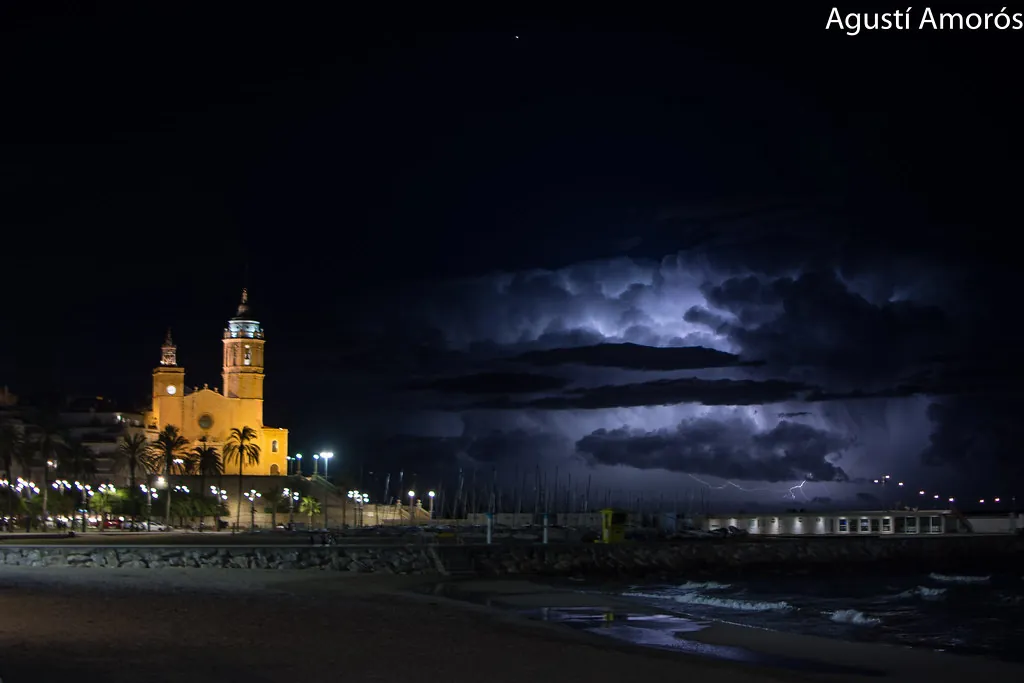
Thirty-five kilometres south of Barcelona, this coastal town sits so close to sea level that high tides occasionally lap at the foundations of its seventeenth-century church. The proximity matters. Sitges doesn't so much face the Mediterranean as conduct an ongoing negotiation with it – the sea provides the fish, the cooling breezes, and the broad sweep of vanilla sand that first attracted Barcelona's artistic set in the 1890s. In return, the town offers up its fishermen's cottages, its grand mansions built by returning Cuban emigrants, and its willingness to host whatever party the wider world feels like throwing.
The Architecture of Escapism
Those mansions, locally called "cases d'indians," tell the town's origin story better than any museum plaque. Built by men who'd made their fortune in Cuba and returned with pockets deep enough to construct architectural love letters to both their adopted and native lands, they line the Passeig Marítim like pastel-coloured wedding cakes. The Palau de Maricel, all Gothic arches and Novecentista flourishes, exemplifies the genre – its courtyard practically designed for dramatic entrances, which explains why it's become a favourite wedding venue for Barcelona couples wanting photographs that suggest they've travelled much further than half an hour down the coast.
The old town, properly called La Punta, occupies the promontory that gives Sitges its distinctive silhouette. Here, the streets narrow to shoulder-width passages where laundry hangs between wrought-iron balconies and every doorway seems to conceal a story. The baroque church of Sant Bartomeu i Santa Tecla anchors the whole enterprise, its white façade serving as both landmark and meeting point. Visit at 8am and you'll share the plaza with elderly locals walking dogs and delivery drivers making their first rounds. Return at 2pm and you'll battle through selfie sticks and tour groups who've coach-tripped down from Barcelona for the afternoon.
When the Day-Trippers Leave
The town's real personality emerges after the last train to Barcelona departs at 22:37. The Passeig Marítim, all 4.2 kilometres of it, transforms from crowded thoroughfare into something approaching a Mediterranean promenade as it should be – couples stroll hand-in-hand, grandparents push prams, and the occasional rollerblader weaves between them. The beach bars, chiringuitos in local parlance, begin their evening service of grilled prawns and cold Estrella, though savvy visitors know to order the local vermouth instead.
Nightlife here operates on multiple frequencies. The gay bars around Calle Bonaire throb with house music and attract a cosmopolitan crowd that makes the place feel like Fire Island with better architecture. Families with young children linger over late dinners at beachfront restaurants, unfazed by the proximity of drag shows starting two streets away. There's no Ibiza-style superclub scene – instead, a dozen bars each host their own party, creating a village fête atmosphere amplified by excellent sound systems and the Spanish talent for extending "just one drink" into an all-night conversation.
Practicalities for the Practical
Getting here requires minimal effort but maximum attention to detail. The taxi from Barcelona airport might quote €90, a figure that should prompt immediate laughter and a request for directions to the R2 train instead. This suburban service costs €4.60 and delivers you to Sitges in thirty-five minutes, though weekend services thin out after 22:00. MonBus runs direct from the airport for €9 – forty minutes of increasingly scenic approach that gives you time to adjust from airport fluorescent to Mediterranean light.
Once arrived, the town rewards those who pack light and walk everywhere. The historic centre bans most traffic, which means your accommodation might require a five-minute schlep from the nearest taxi drop-off. This isn't oversight – it's urban planning. The absence of cars preserves both the medieval street pattern and the ability to hear waves crashing from almost anywhere in town.
Eating well requires minimal Spanish. Fragata grills seafood with the confidence of somewhere that buys daily from boats you can see from your table. La Sitgetana Brewery caters to craft beer converts with tapas that won't challenge timid palates. For breakfast, Pic Nic serves international brunch standards – useful when you've overdone it on cava the night before and need something approaching a full English, even if it comes with avocado toast.
The Honest Assessment
Sitges isn't perfect. August transforms the place into a heaving mass of humanity where finding towel space on the central beaches requires military planning. Hotel prices triple during Carnival and the Film Festival, events that also bring hen parties and culture vultures in equal measure. The sand, while broad and clean, shelves steeply into water that can turn rough when the tramuntana wind blows. Winter months see many restaurants close, though this matters less than you'd think – the remaining places operate with the relaxed efficiency of somewhere serving locals rather than tourists.
Yet these feel like quibbles rather than deal-breakers. Sitges succeeds because it understands precisely what it is: Barcelona's breathing space, a town that hosts parties without becoming defined by them, a place where the sea remains a working neighbour rather than merely a scenic backdrop. The train back to Barcelona passes through industrial estates and retail parks, the modern Catalonia that pays the bills. Sitges, meanwhile, gets on with its real business – providing somewhere for the region to remember why people started coming here in the first place, back when escaping the city meant something more profound than simply travelling thirty-five kilometres down the coast.


