Full Article
about Vilanova i la Geltrú
Garraf's capital with a fishing port and railway museum
Ocultar artículo Leer artículo completo
The Rambla that isn’t on postcards
Forty-five minutes south of Barcelona, the train doors slide open and the smell of diesel gives way to salt and frying squid. Vilanova i la Geltrú doesn’t announce itself with a panoramic viewpoint or a fairy-lit old quarter; it starts with a straight, flat Rambla wide enough for three abreast pushchairs and a steady stream of abuelas doing their daily lap. No busker every five metres, no €5 cortado. Just benches, plane trees, and locals arguing over last night’s football in Catalan.
The town of 67,000 keeps one foot in the sea and the other in everyday routine. Fishing boats still unload at 06:30 while teenagers drift home from all-night bars. A Victorian iron market hall sells razor clams next to a stall flogging €3 phone cases. It is, in short, the piece of Spanish coast that package brochures left blank, and that’s precisely why it’s useful.
What the guidebooks forget to mention
Start with the beaches because that’s where most visitors end up eventually. Platja de Ribes Roges is the handiest: five minutes on foot from the station, cleaned daily in summer, lifeguard towers painted the colour of Barcelona FC. The sand is coarse and caramel-coloured, not Caribbean white, but the slope is gentle enough for a four-year-old to paddle safely. Walk west and the blocks shrink, the sand grows quieter, and by Platja de Sant Gervasi you can lose the crowds entirely—even in August—though you’ll also lose the loos and the ice-cream van.
Turn inland instead and the grid of 19th-century workers’ houses reveals the other Vilanova. Textile money paid for Modernista facades covered in floral brickwork; the same families later endowed museums that close for lunch with magnificent precision. The Biblioteca-Museu Víctor Balaguer (open 10:00–14:00, closed Mon) is a higgledy-piggledy temple of Catalan archaeology, art and, oddly, Egyptian mummies. Admission is free; the air-conditioning alone justifies the detour on a July afternoon.
Further down the hill the Railway Museum fills a 19th-century depot. You can climb into Franco’s saloon carriage and sound a steam whistle loud enough to wake napping grandparents. Children like the size; railway buffs like the detail; everyone likes the €7 ticket.
Food that doesn’t photograph well
Lunch begins around 14:00 and is rarely glamorous. At the harbour, Els Bessons serves grilled sardines with a wedge of lemon and a mountain of chips that would pass muster in Skegness. Locals wash it down with Estrella; visitors order the house white, chilled until it forgets it isn’t shandy. If you insist on paella, El Celler de l’Asturianu on Carrer d’En Bosch will do a proper seafood version for two (€38) but you must book—weekends sell out to Barcelona escapees.
The real bargains hide in the daily menú del dia. Café de les Arts on Rambla Principal offers three courses, bread and a drink for €14. Expect grilled hake, garlicky chickpeas, and crema catalana that tastes of burnt sugar rather than fridge. Vegetarians survive on escalivada (smoky aubergine and peppers) and the reassurance that things improve in bigger cities.
When the town lets its hair down
February’s Carnaval is Vilanova’s loudest secret. For a week the Rambla becomes a confetti battlefield; locals lob 47 tonnes of sweets at each other during the Merengada parade, then stay up until dawn singing satirical ditties in Catalan. Hotels don’t triple their prices—there simply aren’t enough rooms to bother. Book early or stay in Sitges and catch the 20-minute train back; services run all night during fiestas.
Summer brings Festa Major in early August: correfoc (devils with fireworks), castellers (human towers) and beach concerts that finish before the 23:30 suburban train departs. The noise is considerable; if you want early nights, choose Cunit down the coast.
Moving on, or staying put
The same Renfe line that brings you from Barcelona Airport (R2 Sud, €4.60, 35 min) continues south to Tarragona’s Roman ruins in 40 minutes. Sitges, with its smarter bars and international crowd, is one stop north—close enough for a sangria if Vilanova feels too sober, though the return ticket is the same price whether you stay five minutes or five hours.
Bicycles are hired from the hut opposite the tourist office (€12/day). Follow the sea path east and you’ll reach the first coves outside town in 20 minutes; head west and a flat 12 km gets you to the Ebro Delta’s rice paddies if the mood takes you. Mountain walkers can aim for the Garraf massif behind town—limestone ridges, abandoned lime kilns, views that stretch to Mallard-coloured sea. Carry water; shade is scarce and the ascent starts steeply behind the cemetery.
The catch
Sundays are comatose: even the bakery shutters stay down. August weekends fill the central flats with extended families and boom boxes; the same beaches that feel empty in May become towel-to-towel by noon. Parking is tight—blue-zone meters charge €2/hr in summer and Guardia Urbano ticket with Catalan efficiency. If you’ve hired a car, use the free gravel car park behind the hospital and walk ten minutes.
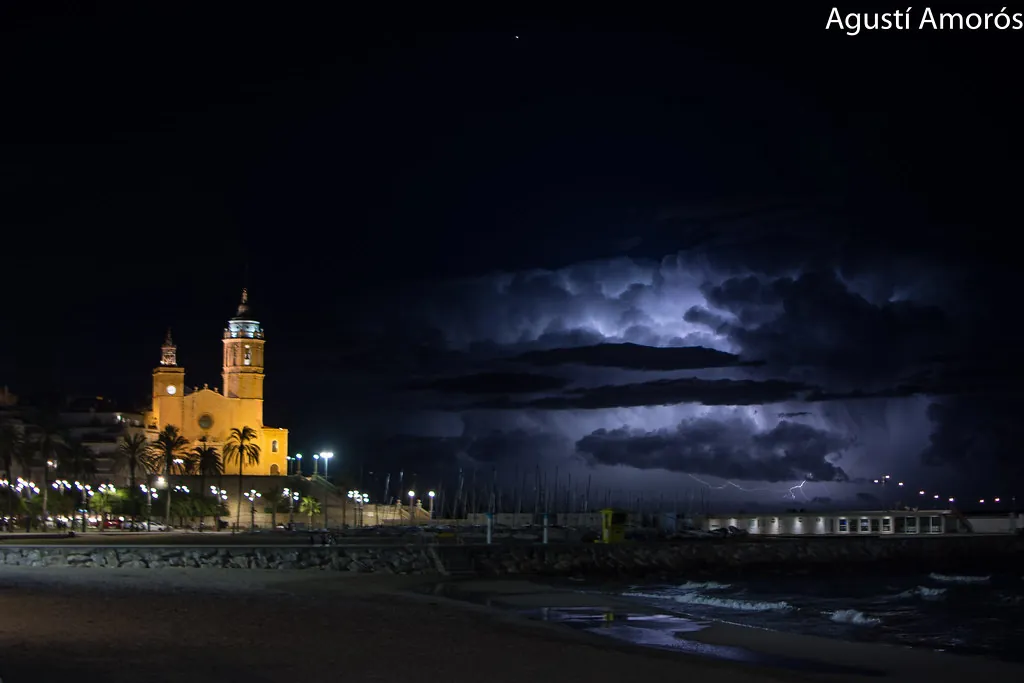
Rain is rare but spectacular; when the Levante wind whips up, waves claw the promenade and the town smells of diesel and seaweed. On those days the museums stay open and the cafés switch on their heaters. It isn’t pretty, but it is honest.
Last orders
Vilanova i la Geltrú will not change your life. It will, however, give you a coastal base where restaurant bills come in under £20 a head, where you can reach Barcelona’s Sagrada Família before hotel guests in the city have finished their buffet, and where the evening passeig still belongs to residents rather than Airbnb key boxes. Bring a phrasebook, a tolerance for siesta hours, and low expectations of nightlife. Take away clean laundry that smells of sea salt, a pocketful of train tickets, and the memory of a town that never quite learned to hustle.