Full Article
about El Vilosell
Charming medieval village in the Prades mountains; cobbled streets
Hide article Read full article
Morning Light in Les Garrigues
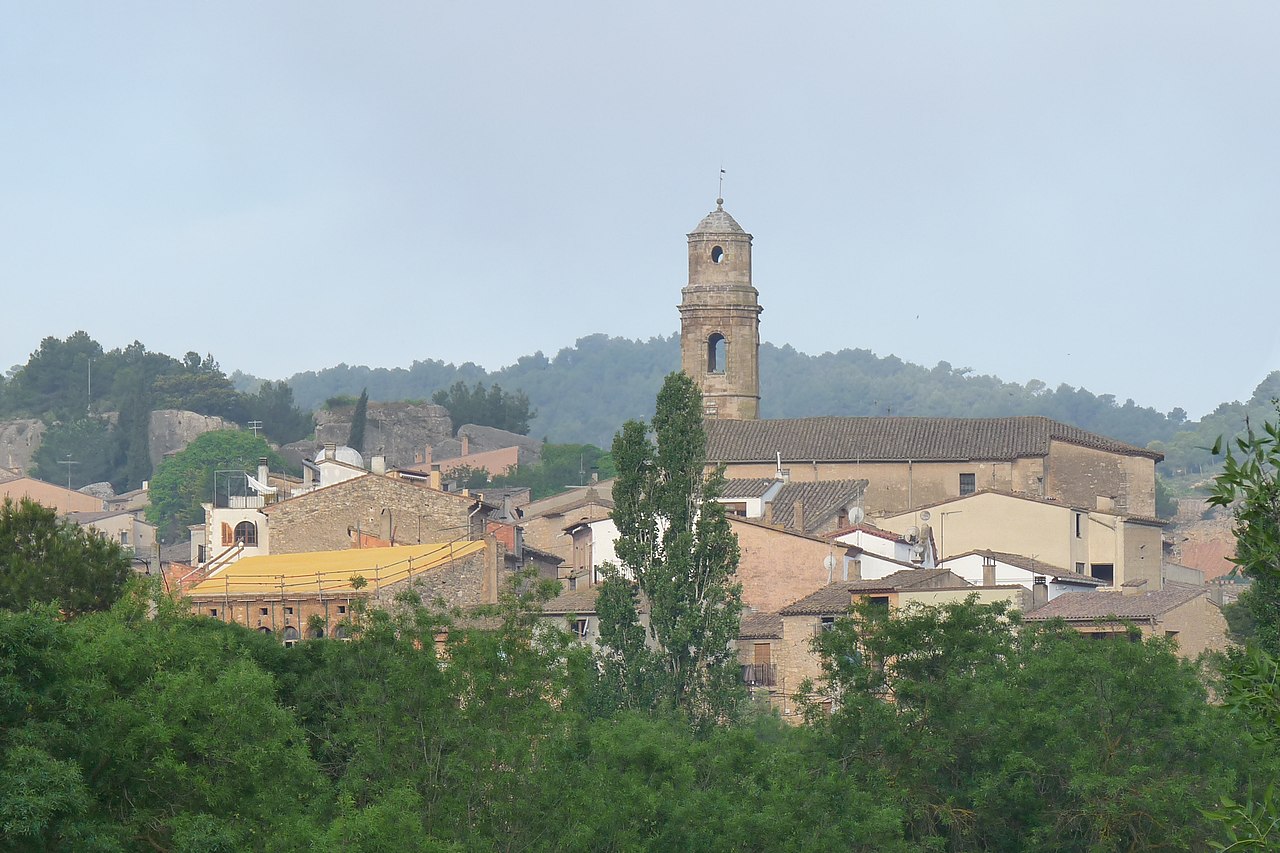
Early in the morning, before the light has fully settled across the valley, the streets of El Vilosell are still. The stone façades, somewhere between grey and ochre, reflect a cool glow. Footsteps sound different here, the soles brushing against uneven ground, and in winter the air arrives dry and clean from the surrounding fields.
Tourism in El Vilosell begins with that atmosphere. This is a small village in Les Garrigues, in the province of Lleida, sitting at around 665 metres above sea level. The agricultural landscape still sets the pace of daily life. Soft hills rise and fall around the settlement, dotted with old olive trees and almond groves that begin to turn the slopes pale in February and March.
It is a place defined less by headline sights and more by its setting. Fields stretch outwards in every direction, and the rhythm of the seasons remains visible in the orchards and terraces that frame the village.
A Compact Village of Stone and Silence
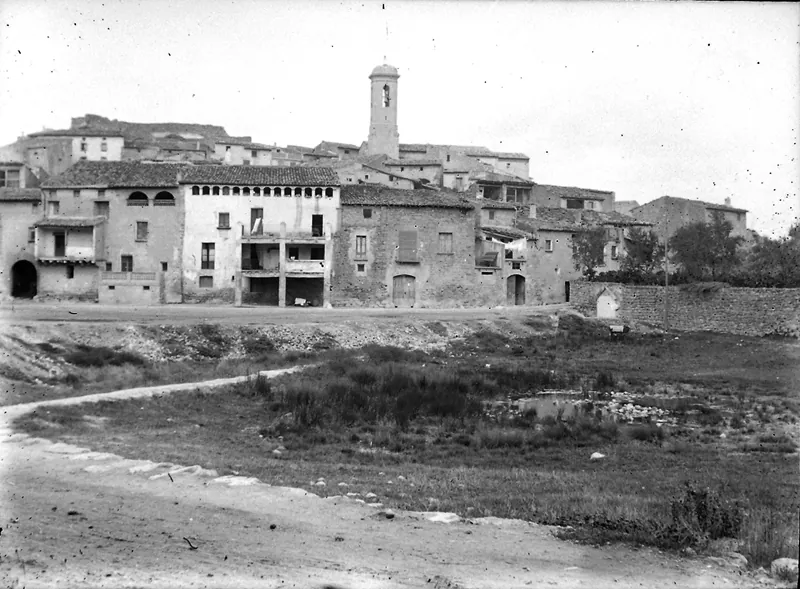
El Vilosell does not feature prominently in many guidebooks. Perhaps for that reason it retains a notably calm atmosphere, even at weekends. The old centre is compact and easy to navigate. Narrow streets wind gently uphill in places, lined with stone houses that keep their wide doorways and simple wrought-iron balconies.
There are no grand monuments dominating the skyline. What stands out instead are everyday details: weathered wooden doors, small vegetable plots pressed up against houses, and interior courtyards where piles of firewood or farm tools are sometimes visible. These are the textures that shape a walk through the village.
It takes only a few minutes to cross the entire urban core, yet it rewards a slower pace. Late afternoon is a good moment to wander, when the sun sits lower and light slips between the façades at an angle, softening the stone and casting long shadows along the uneven ground.
From some of the higher points in the village, looking south on a clear day, the outline of the Serra de Montsant appears on the horizon. The mountain range forms a distant backdrop, reinforcing the sense that El Vilosell belongs to a broader rural landscape rather than standing apart from it.
Among Olive Groves and Almond Trees
The countryside around El Vilosell is typical of Les Garrigues. Dry-stone terraces hold the soil in stepped layers. Olive groves stand in ordered lines, and plots of almond trees shift in appearance with the seasons.
In winter, the trees are bare and the terrain feels harsher, the earth exposed and tones subdued. Towards the end of winter, pale almond blossoms arrive and for a few weeks the fields take on a brighter, lighter look. The contrast between white flowers and the darker soil gives the landscape a fleeting softness before spring advances.
Wide agricultural tracks leave directly from the village and connect with scattered farmhouses and cultivated plots. They are not technically difficult and can be followed on foot or by bicycle. The routes pass between olive trees and low rises in the land, with long views across open fields.
Summer requires some planning. From midday onwards the sun can be intense and there is little shade between the groves. Early starts or late afternoon outings make walking more comfortable during the hotter months. In contrast, the clarity of the summer sky often brings sharp horizons and cool evenings once the heat of the day has eased.
For those interested in landscape photography, dawn tends to be the quietest time. The light falls horizontally across the terraces, picking out the lines of the dry-stone walls and emphasising the structure of the fields. The geometry of the agricultural land becomes more apparent in those first hours of the day.
Olive Oil, Almonds and Home Cooking
Food in this part of Catalonia revolves around olive oil, particularly the extra virgin olive oil protected by the Garrigues designation of origin. This is an oil with character, slightly bitter at first taste, closely linked to the olive trees that surround El Vilosell.
Almonds also play a central role in local cooking. They appear in many home recipes, from sauces to traditional sweets prepared at certain times of year. The cuisine is not elaborate. It is rooted in produce from the fields, good bread and quality oil, with dishes designed to sustain long days of agricultural work.
The emphasis is on simplicity and seasonality rather than complex techniques. Ingredients reflect what grows in the surrounding land, and the flavours are direct and recognisable. In a village like El Vilosell, food remains closely tied to the rhythms of cultivation.
Getting There and Choosing the Right Season
El Vilosell lies around 40 kilometres from the city of Lleida. The simplest way to reach it is by car, following regional roads that cut through open countryside. The final stretch runs between olive groves and gentle elevations, gradually introducing the landscape that defines the area.
Within the village itself, everything is done on foot. Parking is usually straightforward near the entrances to the built-up area, after which it makes sense to continue walking through the narrow streets.
Spring is often the most pleasant time to explore the surrounding paths. Temperatures are mild and almond trees may still be visible in blossom, adding light tones to the fields. Summer brings very clear skies and cool nights, yet daytime heat can be strong. During that season, earlier mornings or late afternoons are the most comfortable moments to be outdoors.
El Vilosell does not offer a long list of attractions or scheduled experiences. Its appeal lies elsewhere: in the quiet of its streets, the steady presence of olive groves, and the changing light across the terraces of Les Garrigues. For travellers looking to understand rural Catalonia at a slower pace, it provides a setting where landscape and village remain closely intertwined.