Full Article
about Tarrés
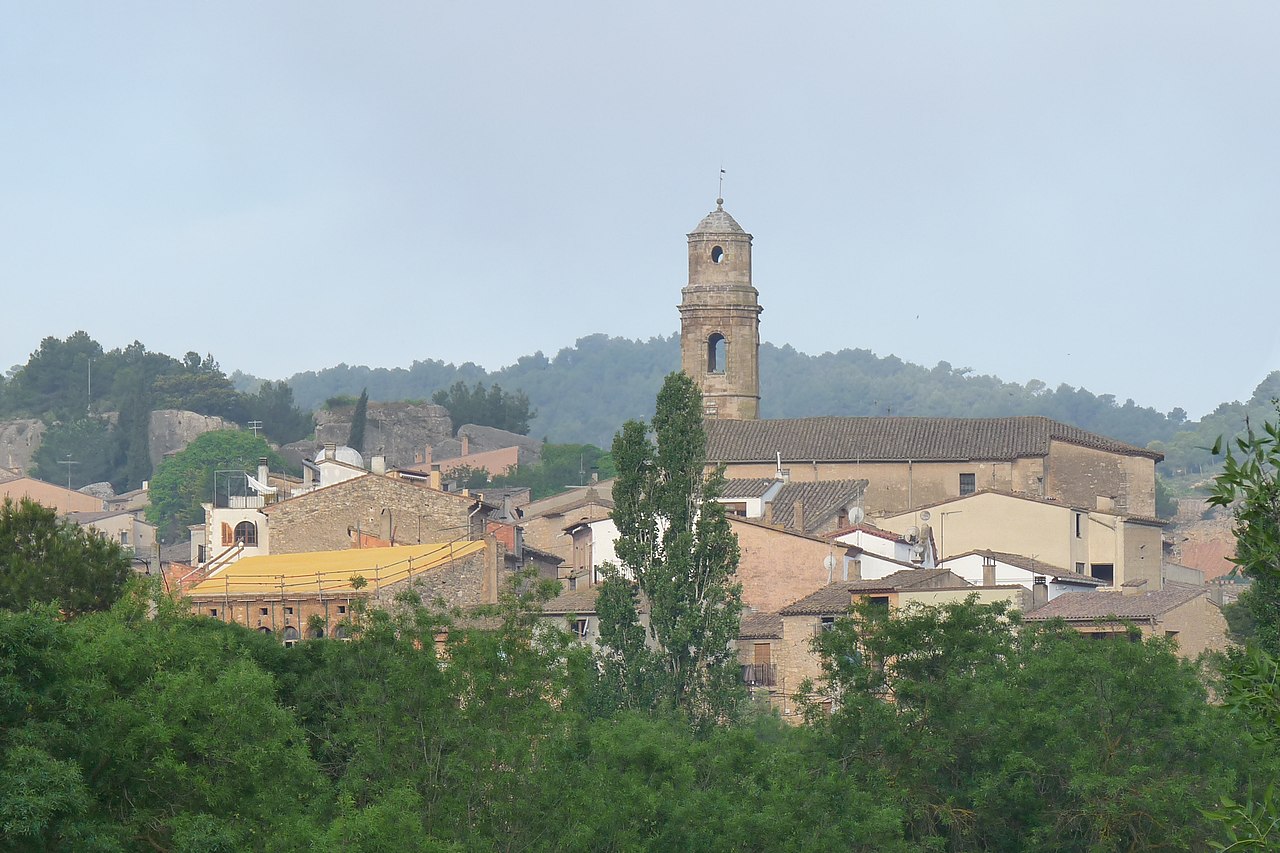
Stone village with charm; narrow streets and wooded surroundings
Hide article Read full article
A Quiet Centre of Stone and Light
Early in the morning, before anyone has crossed the square, silence in Tarrés is broken only by the echo of a wooden door closing and the metallic rattle of a shutter being raised. At the heart of the village stands the church of the Asunción, built in pale stone with small windows, marking the centre of daily life as it has done for generations.
Tourism in Tarrés feels less like ticking sights off a list and more like walking without hurry. This is a small village in Les Garrigues, with just over a hundred residents, and that scale is immediately apparent. The streets are short and irregular, often ending in a bend from which the surrounding fields are already visible.
The houses are built from sandstone that shifts in tone with the light: pale grey at midday, warmer as the sun drops. Some doorways retain simple semicircular arches, understated rather than ornate. On iron balconies, modest flowerpots still appear, often filled with geraniums or hardy plants that cope well with the summer heat.
In the square there are iron benches and a fountain that acts as a natural meeting point. In a place this size, everything lies within a few steps: the church, the town hall, a couple of streets that climb gently upwards and others that slope down towards the edges of the village. On a weekday morning it is easy to come across a neighbour chatting from a doorway or loading tools into a car before heading out to the fields.
The Landscape of Les Garrigues
Beyond the last houses, the dry farmland begins almost immediately. Olive trees dominate. There are also almond trees, and the occasional plot of vines scattered among the soft hills of the comarca, a county-level district in Catalonia.
In February or March, the almond trees blossom and the landscape shifts for a brief spell. White and pale pink patches appear across the reddish earth. It does not last long, but when it coincides with a clear day the light across these fields feels especially crisp.
For the rest of the year, the prevailing tones are the grey-green of olive leaves and the ochre of dry soil. Winter air can be sharply cold. In summer, by contrast, the heat builds from mid-morning onwards and lingers through the day.
Among the crops, birds typical of open countryside are a regular presence. Birds of prey sometimes sweep low over the plots, and at dusk the call of a stone-curlew may carry across the fields. The setting remains agricultural and open, shaped more by cultivation than by infrastructure.
Tracks Between Farmhouses and Fields
Several agricultural tracks lead out from Tarrés, linking scattered masías, traditional rural farmhouses, and different parcels of land. These are not signposted hiking routes. They are dirt tracks used by farmers, though they can also be explored on foot or by bicycle.
Shade is scarce along much of the way, so water and a hat are advisable in the hotter months. The most comfortable times are usually early morning or late afternoon, when a breeze moves through the olive branches and the heat eases slightly.
Spring tends to be the most pleasant season for a walk. The edges of the tracks fill with grasses and small wildflowers, and after rainfall the scent of damp earth rises from the ground. At other times of year, the experience is starker: wide skies, low vegetation, and the steady rhythm of cultivated land stretching beyond the village.
These paths are less about reaching a viewpoint and more about moving through a working landscape. Tractors pass occasionally, and trailers may rumble by during busier agricultural periods. The sense of space is constant.
Agriculture and the Village Rhythm
Farming still sets the pace in Tarrés. The olive tree is the principal crop and has shaped the landscape for generations. During the harvest campaign, from late autumn through much of the winter, it is common to see trailers loaded with olives travelling in and out along the tracks.
Almond trees also occupy many plots. In some homes, simple local breakfasts are still prepared, such as bread with olive oil and toasted almonds, a combination that reflects the produce grown around the village. The ingredients are straightforward and closely tied to the surrounding fields.
Life here follows agricultural cycles more than tourist seasons. Activity increases during harvest periods, while at other times the streets can feel particularly quiet. With such a small population, daily routines are visible and unhurried.
Traditions That Continue
Festivities in Tarrés follow the traditional calendar of many agricultural communities. In summer, the fiesta mayor, the main annual festival, is usually held in the square. Events take place outdoors, and neighbours gather, including some who return to the village for those days.
In January, around Sant Antoni, bonfires are lit and animals are blessed, a custom that some residents continue to observe. Sant Antoni is traditionally associated with animals in rural Spain, and the ritual retains a distinctly winter atmosphere. It is not a large-scale celebration, but it preserves the feel of a seasonal rite rooted in village life.
These events are modest in scale, shaped by the size of the community rather than by outside visitors. They punctuate the year and reinforce ties between those who live in Tarrés year-round and those who maintain a connection from elsewhere.
Getting There and the Best Time to Visit
Tarrés lies in the comarca of Les Garrigues, in the southern part of the province of Lleida. From the city of Lleida, the journey by car takes around an hour, combining main roads with smaller regional routes.
A car is almost essential for getting around the area. Public transport does exist, but services tend to be limited in frequency, which makes independent travel more practical.
Spring and autumn are the most comfortable seasons for walking the tracks or exploring the surroundings. In summer, daytime temperatures can easily rise above 35°C, so earlier starts or late afternoon outings are advisable. Winter brings colder air, especially across the open fields.
Tarrés does not offer grand monuments or attractions that draw crowds. What it offers instead is quieter and more elemental: wind moving through olive branches, the dry scent of the countryside in summer, and the sense that time here passes at a slower pace than in the nearest city.