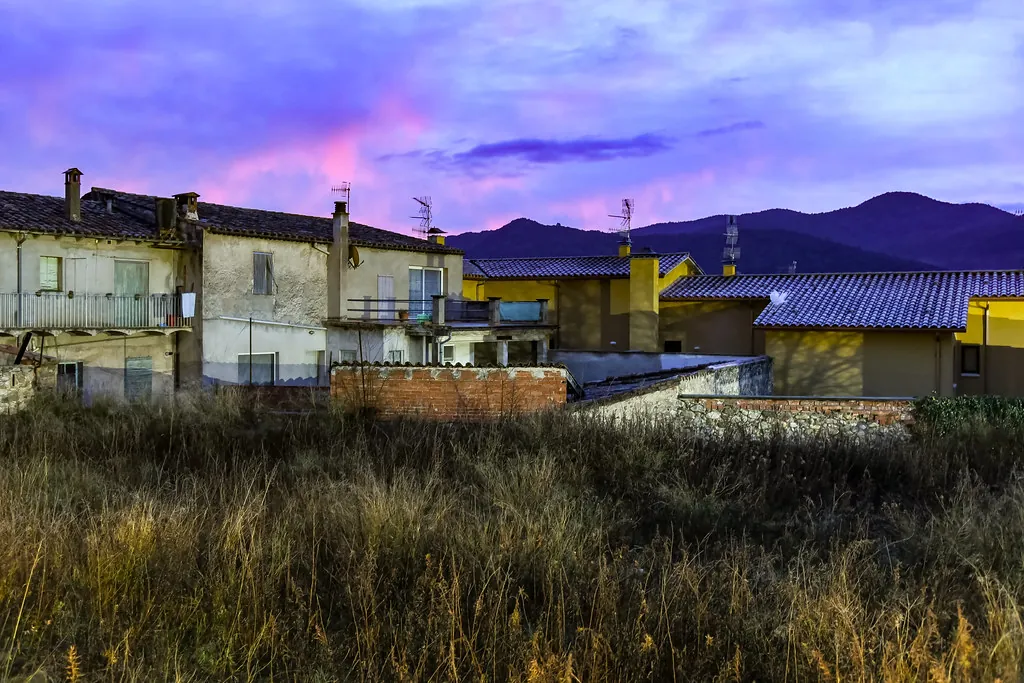
Hostalets den Bas (Catalonia) - Carrer Teixeda 01.jpg
Cataluña · Sea, Mountains & Culture

La Vall d'en Bas

The tractor blocking the lane isn't broken—it's Tuesday. The farmer leans against the wheel, chatting with the postman while sacks of potatoes wait...

3,269 inhabitants · INE 2025
510m Altitude

Why Visit

Mountain Els Hostalets d'en Bas Hiking to Puigsacalm

Best Time to Visit

year-round

Sant Nicolau Fair (December) agosto

Things to See & Do
in La Vall d'en Bas

Heritage

  • Els Hostalets d'en Bas
  • El Mallol
  • Sallent Waterfall

Activities

  • Hiking to Puigsacalm
  • Rural tourism

Festivals
& & Traditions

Fecha agosto

Fira de Sant Nicolau (diciembre), Fiesta Mayor (agosto)

Las fiestas locales son el momento perfecto para vivir la autenticidad de La Vall d'en Bas.

Full Article
about La Vall d'en Bas

Fertile valley ringed by mountains; includes picturesque villages like Els Hostalets and El Mallol.

Ocultar artículo Leer artículo completo

The tractor blocking the lane isn't broken—it's Tuesday. The farmer leans against the wheel, chatting with the postman while sacks of potatoes wait in the trailer. Neither man hurries. In La Vall d'en Bas, the land sets the tempo, not the clock.

A Valley That Forgot to Sell Itself

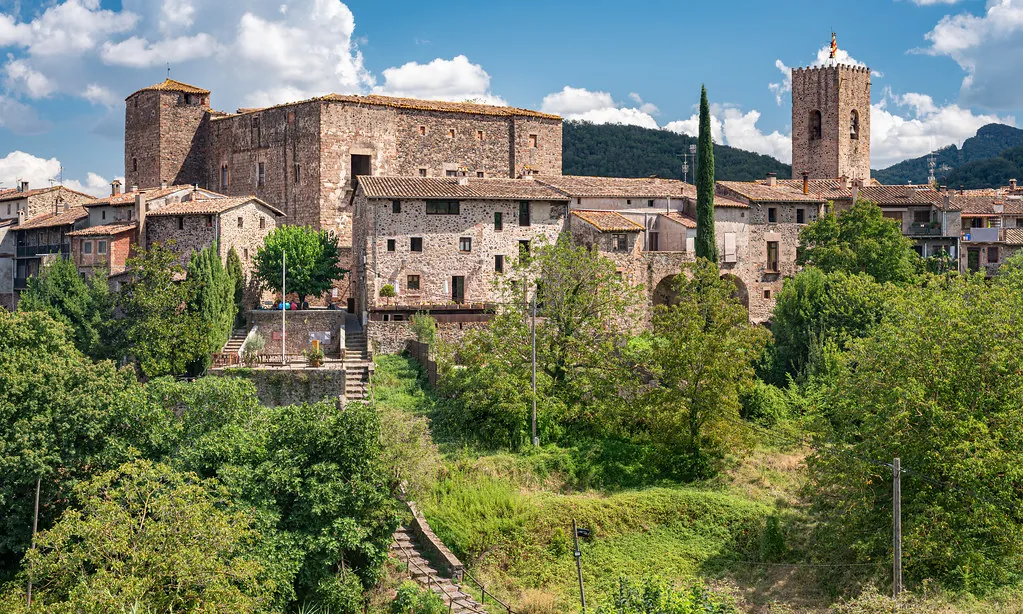
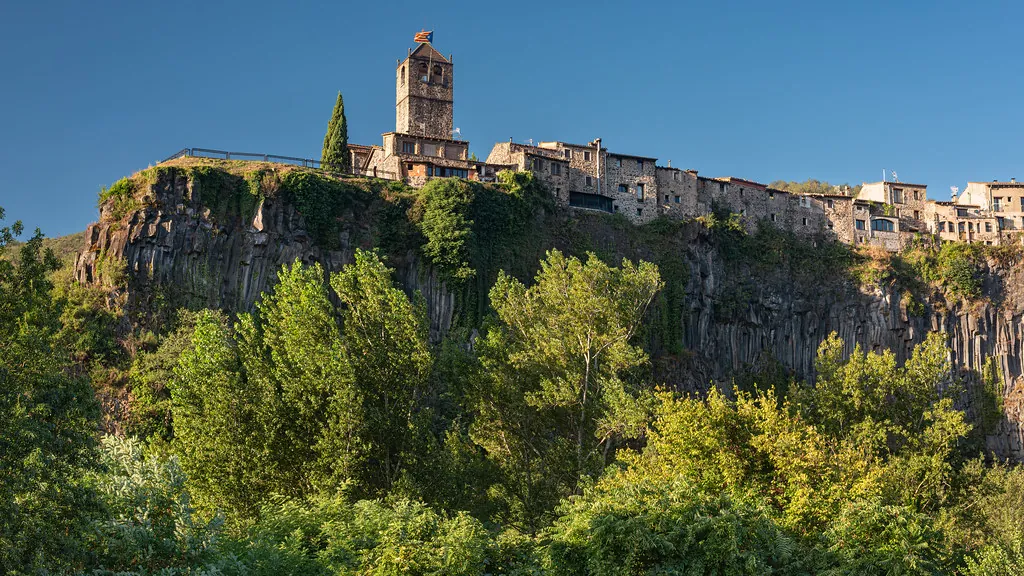
Most visitors race straight past the turning on the C-63, bound for the showier volcanoes around Olot. What they miss is Catalonia's largest single agricultural basin: a 13-kilometre amphitheatre of extinct craters now stitched with wheat, maize and the occasional contented cow. At 510 metres above sea level, the valley floor is flat enough for cycling toddlers yet ringed by beech woods that turn bronze overnight when October bites.

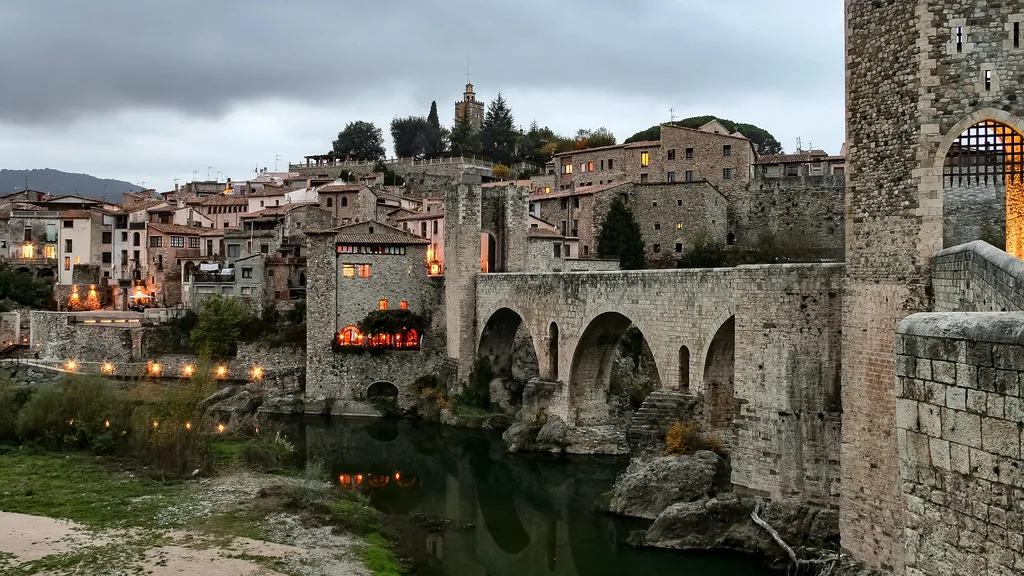
Eleven hamlets share those fields, none topping 400 souls. Hostalets d'en Bas still keeps its 14th-century archway, but there's no ticket desk, no gift shop—just stone houses that smell of woodsmoke and a bakery whose almond croissants vanish before 9 a.m. Sant Privat d'en Bas climbs a knoll so steep that delivery vans reverse up in first gear; the church bell there rings the hour three minutes late, a gentle rebellion against precision.

Romanesque Without the Crowds

The valley's churches won't wow cathedral buffs. They're small, thick-walled, built for shepherds not bishops. What they offer is silence. Inside Sant Esteve d'en Bas you get the original twelfth-century font, still used for Saturday christenings, and a side chapel where someone has left a jacket on the same peg since 1987. Light filters through alabaster, not stained glass, throwing soft stripes across the flagstones. Outside, swallows nest where gargoyles should be.

A four-hour loop links five of these churches via stone tracks the Romans would recognise. The gradients are gentle—this was designed for mules—until the final haul to El Mallol. British walkers on TripAdvisor call that last kilometre "surprisingly perky"; the Catalan signpost simply says "up". Download an offline map: way-marking is sporadic and the local idea of a cairn is three potatoes stacked on a wall.

Pedal Power and Potato Power

The old railway from Girona to Olot closed in 1969 but lives on as the Via Verde del Carrilet, a 57-kilometre greenway that glides straight through the valley. The surface is compacted gravel wide enough for a double buggy, the gradient never above two per cent. Hire bikes in Olot (€18 a day, helmets included) and you can freewheel the 12 kilometres to Hostalets in 45 minutes, picnic tables and volcanic viewpoints thrown in.

Road cyclists find harder fare. The C-153 climbs north out of Joanetes at eight per cent for three kilometres, then kicks again past Els Hostalets. Come in March and you'll share the tarmac with tractors heading to the potato fairs—slow-moving but fragrant, the trailers dripping soil onto the bends.

What You'll Eat (and When You Won't)

La Vall d'en Bas grows a third of Catalonia's potatoes; locals claim the volcanic soil adds sweetness. Try them proof at Can Font in Hostalets, where thick slices are pan-fried in duck fat and served beside charcoal-grilled lamb that tastes of thyme and beech smoke. A three-course lunch menu costs €16 Monday to Friday; wine is extra and the house red arrives in a dented jug. Vegetarians get escalivada (smoky aubergine and peppers) and the seasonal wild-mushroom omelette, though you'll need the Catalan phrase "sense porc" if bacon bits appear unannounced.

Evenings are trickier. Kitchens close at 4 p.m. and don't reopen until 8.30, later at weekends. Almost every bar shuts on Monday—yes, even the one with the friendly terrace. Self-caterers should stock up in Olot first; the valley's only proper supermarket is sized for locals who grow their own lettuce, not tourists hunting hummus.

Seasons of Mud and Mist

Spring brings blossom and muddy boots. April can throw down four inches of rain in a morning; by May the same fields are blond with wheat and the air smells of cut grass and wet stone. Summer is hot but rarely stifling—altitude knocks the edge off August—and the beech woods stay cool enough for a lunchtime siesta. Autumn is the photographers' favourite: ochre terraces, red kites wheeling above, morning mist that burns off by coffee time. Winter is quiet. Snow falls once or twice, closing the minor roads, but the main valley stays open. Come then and you'll share the bakery queue with farmers discussing seed prices, not selfie sticks.

Getting Here, Getting Stuck, Getting Out

There's no station. From Barcelona airport take the Aerobus to Estació del Nord, then the Teisa coach to Olot (2 hrs, €19). Bus L-501 continues to Sant Esteve d'en Bas four times daily except Sunday, when it stops at lunchtime for reasons no one can explain. Car hire from Girona airport is faster—50 minutes on the C-63—but satellite-navs occasionally direct you down farm tracks wide enough for goats. Ignore them; stick to the C-roads and you'll be fine.

Petrol is cheaper in Girona; fill up before the mountains. Mobile signal vanishes between villages—Vodafone UK roams on Movistar with 4G only on hilltops—so screenshot your hotel confirmation. Cash matters: many bars refuse foreign cards under €10 and the last free ATM is at the Sant Esteve pharmacy, which closes for lunch between 1.30 and 5.

Leave the Checklist at Home

La Vall d'en Bas doesn't do bucket lists. You won't tick off Unesco sites or Michelin stars; you might spend an hour watching a shepherd move 200 sheep across the main road, traffic stopped both ways while the dogs weave and whistle. The valley rewards patience. Sit on the church steps long enough and someone will offer directions—first in Catalan, then in gestures, finally by walking you halfway themselves.

Come for two quiet days, not one frantic afternoon. Bring shoes that can handle cowpats and a jacket for evening breezes that slip down from the beech woods. Leave room in the suitcase for a sack of potatoes; they travel better than fridge magnets and taste of soil you actually walked across.

Key Facts

Region
Cataluña
District
Garrotxa
Coast
No
Mountain
Yes
Season
year-round

Planning Your Visit?

Discover more villages in the Garrotxa.

View full region →

More villages in Garrotxa

Traveler Reviews