Full Article
about Les Planes d'Hostoles
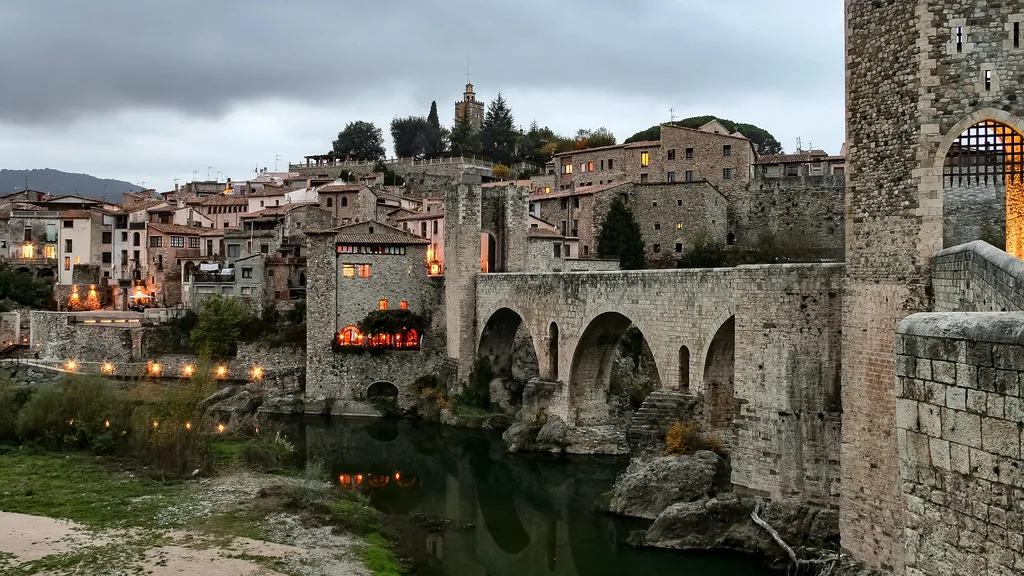
Town in the Brugent valley, known for its many pools and waterfalls.
Ocultar artículo Leer artículo completo
The first thing you notice is the temperature drop. Leave Girona airport at 28 °C, thread the hire car up the GI-542, and by the time you coast into Les Planes d’Hostoles the dashboard reads 22 °C. The second thing you notice is the quiet: no seafront thump of music, no souvenir barkers, just the river Brugent turning pebbles over in its bed and a couple of elderly gents arguing outside Bar Jovi about whether Hristo Stoichkov was better than Maradona. The argument is conducted entirely in Catalan; English is still novel enough to make heads turn.
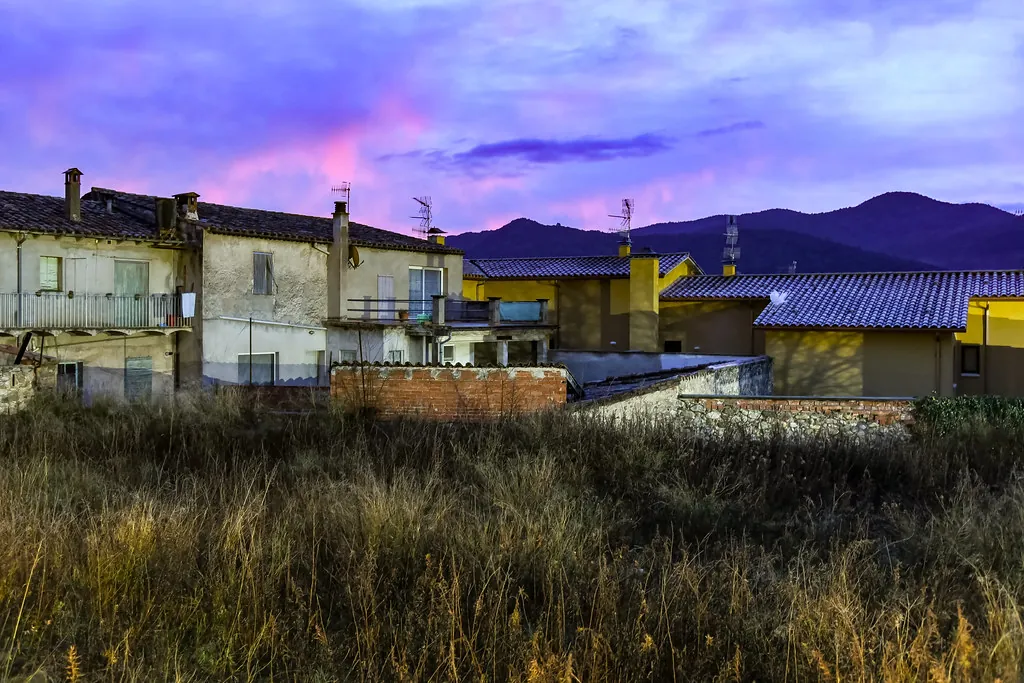
Planes—meaning flat riverside fields, not aircraft—gave the village its name. The flood plain is only a few hundred metres wide; everything else tilts sharply into oak-clad hills that hide half-extinct volcanoes. At 370 m above sea-level the nights stay breathable when the Costa Brava is still sweating into its pillow. Brits who base themselves here for a week usually admit, sheepishly, that they meant to visit the coast more often. They never make it: the mountains keep pulling them inland.
A Church, a Bar and a River
The centre is a triangle of streets no bigger than a medium-sized Sainsbury’s car park. Plaça de l’Església holds a Romanesque-turned-Baroque church (Sant Esteve), two plane trees and enough benches for every pensioner to have his allotted sun patch. Inside, the church is cool, plain and open only when the sacristan remembers; if the oak door is shut, the bar opposite is the surer bet.
Can Xarina opens at seven for coffee and yesterday’s newspapers. Order a cafè amb llet and you’ll be asked “llet freda o calenta?”—cold or hot milk—as if Madrid’s centralised coffee rules had never reached the province. By 10 a.m. the terrace is full of high-vis jackets on their way to prune olives; by 11 they’ve gone and the place belongs to walkers unfolding the free map from the Ajuntament. The map looks hand-drawn because it is: two colours, no advertising, every path annotated with the time it takes a fit local, not an optimistic tourist. Allow an extra 20 minutes per British knee.
The Railway that Became a Walk
Five kilometres north the old narrow-gauge line to Olot has been reborn as the Via Verde. The rails were lifted in 1969; the tunnels, bridges and stone mileposts remain. Hire bikes at the converted station (€15 a day, helmets included) and you freewheel through beech woods, over iron viaducts and into the Sant Aniol gorge where the river squeezes into a slit only a canoe-width wide. Park the bikes at the rack and walk the last kilometre: a limestone corridor, ferns brushing your calves, water drumming below. The “waterfall” is a five-metre drop into a jade pool—swimmable in June, bracing by October. Mobile signal dies at the first tunnel; WhatsApp withdrawal lasts until you re-emerge into sunlight and a cluster of signal bars.
Back in the village the afternoon siesta is non-negotiable. The supermarket shutters clatter down at 13:30; if you forgot hummus and crisps you’ll have to make do with what the river provides—blackberries in September, mosquitoes in May. Plan accordingly: stock up before noon, then retreat to the balcony with a paperback while Spain sleeps.
Stone Farmhouses and a Volcano Next Door
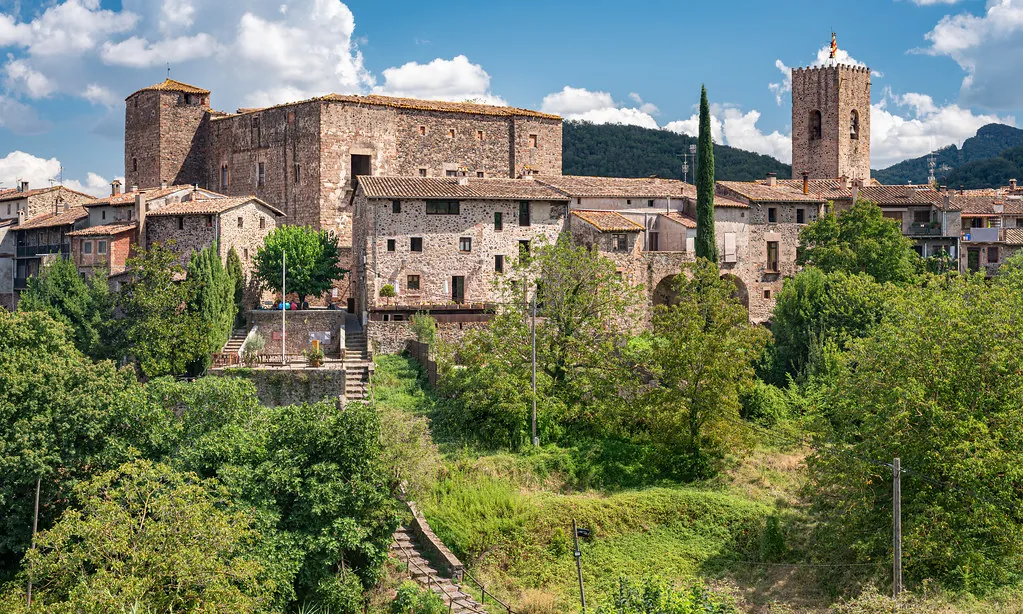
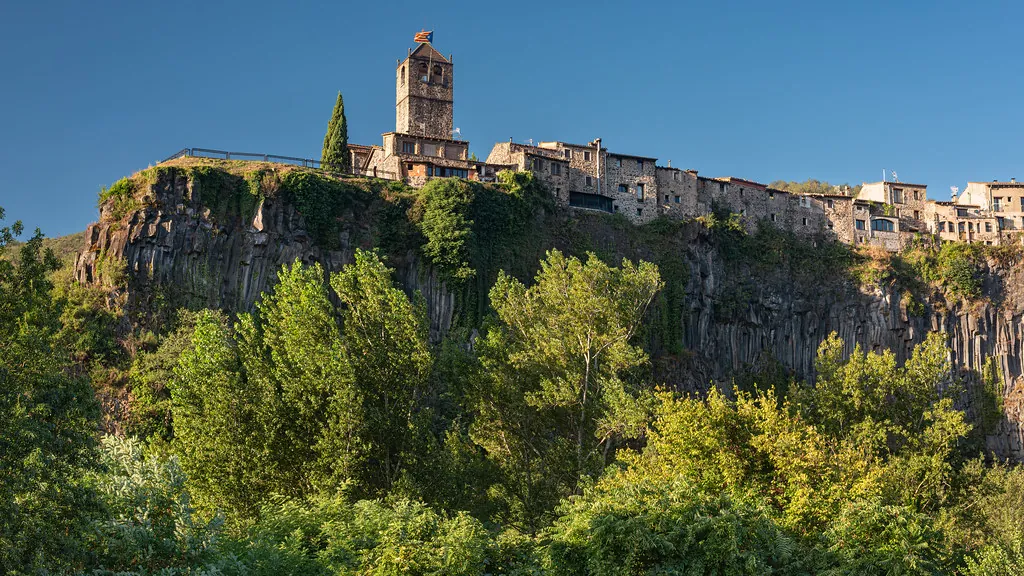
The Garrotxa Volcanic Zone Natural Park begins three miles east. Croscat, the last volcano to grunt (11,000 years ago), looks like a grassy landfill rather than a Hollywood cone; what matters is the lava flow that dammed the river and created the waterfalls upstream. A circular drive—Planes, Santa Pau, Castellfollit, back via Olot—takes a lazy day. Stop in Santa Pau for the Protected-Origin white beans (fesols) stewed with pork cheek at Cal Sastre. The portion is large enough for two; ask for “mitja ració” unless you’re walking the GR-2 afterwards.
Stone farmhouses punctuate every lane. Many still have the arched gateway for carts, the pigeon loft above and the family chapel tacked on the side. They are working homes, not National Trust properties; peer politely from the lane but don’t trample the vegetable patch. If a dog barks, you’ve probably gone too far.
When the Sun Goes Down
Evenings revolve around food. Thursday is fesol day; Friday is salt-cod. Can Xarina does a serviceable grilled botifarra that tastes like a Cumberland sausage which learnt Spanish at night school. Order it with “mongetes del ganxet”, the local haricot beans, and a bottle of the house red—€12, poured into a glass you could bathe a hamster in. Casa de Curry, incongruously painted lime-green, will supply vindaloo if the children stage a revolt after a week of pork. The owner learned his spice route in Birmingham; he understands the British need for mango chutney.
By 22:30 the square is emptying. The last coffee cups clink inside Bar Jovi; someone wheels a moto across the cobbles, engine off so as not to wake the neighbours. The only light comes from the church porch and the blue glow of a television showing Barça highlights. Noise regulations are informal but absolute: if you can hear your own footsteps, you’re fine; if you can hear your neighbour’s playlist, you’re the problem.
Getting Here, Getting Out
Girona airport is 55 minutes by car; Barcelona 90. Buses exist—Teisa runs two a day from Girona, none on Sunday—but they deposit you on the main road with your rucksack and best Spanish shrug. A car is almost essential for carrying groceries and reaching trailheads; the last cash machine is in Amer, 10 minutes away, and most bars remain stubbornly cash-only. Petrol is cheaper than Britain but motorway tolls add up: budget €9 each way to Girona if you use the C-25.
Summer nights can stay muggy in the valley bottom—check for air-con when you book. Spring brings wild asparagus along the verges; autumn smells of chestnut smoke. Winter is crisp, occasionally snowy, and the volcano views turn into chocolate-box illustrations minus the crowds. The British half-term weeks coincide with local school holidays; book early or you’ll be bedding down in Olot, fifteen minutes up the road.
The Honest Verdict
Les Planes d’Hostoles will not deliver bucket-list sights. You will leave without a fridge magnet, without having queued for anything, and probably with cleaner lungs. What it does offer is a working slice of upland Catalonia where the beer is cold, the maps are honest and the river still has priority over tourism. Turn up expecting spectacle and you’ll be disappointed; come prepared to walk, eat and switch the phone off, and the village repays the favour with silence, starlight and a sausage that puts most British bangers to shame.