Full Article
about Campllong
Small farming town on the plain; known for its spring county fair
Hide article Read full article
A small municipality in the Gironès plain
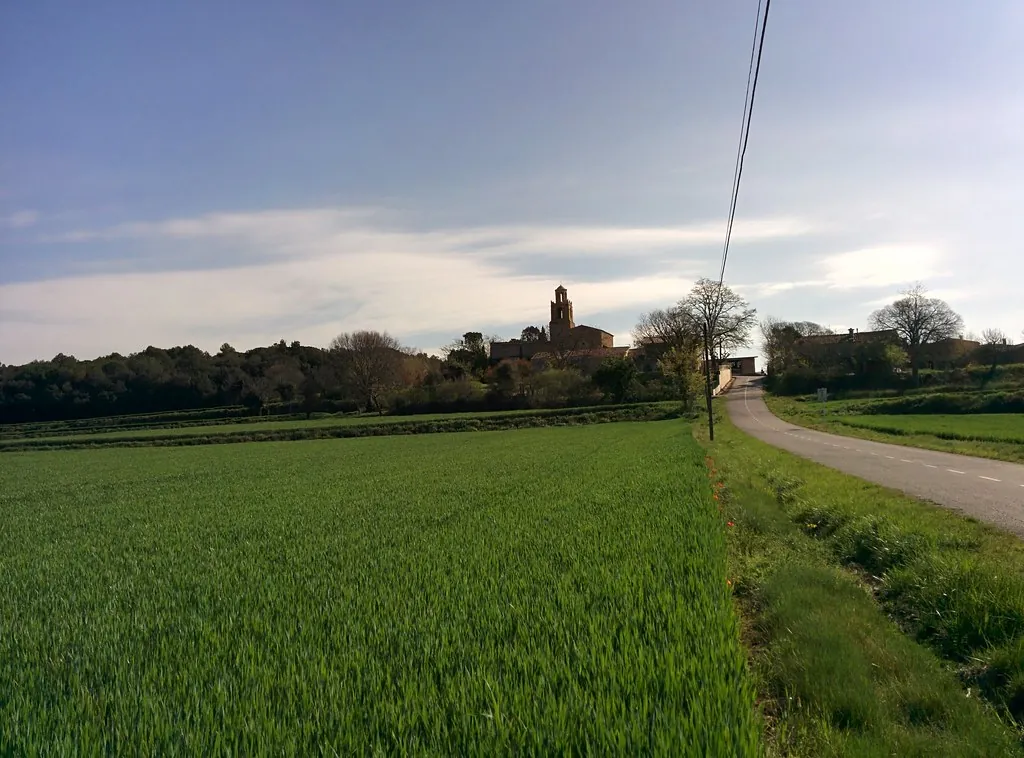
Tourism in Campllong starts with a simple question: where exactly is it? The municipality lies inland in the Gironès, about 15 kilometres from Girona, set within an agricultural plain that has barely altered in recent decades. With a population of around 530, the village keeps a direct connection to the land. Open plots, scattered masías and a network of rural tracks still used for farming define the area.
The terrain sits at low altitude, around 100 metres above sea level. The landscape matches much of this part of the Gironès: cereal fields stretch across the plain, with the occasional holm oak breaking the line of sight, and working farms continue their activity. The masías spread across the municipality help explain that agricultural past. Many date back centuries, though most have been adapted over time. Stone walls and tiled roofs continue to shape the visual identity of the countryside here.
The village centre and Sant Esteve
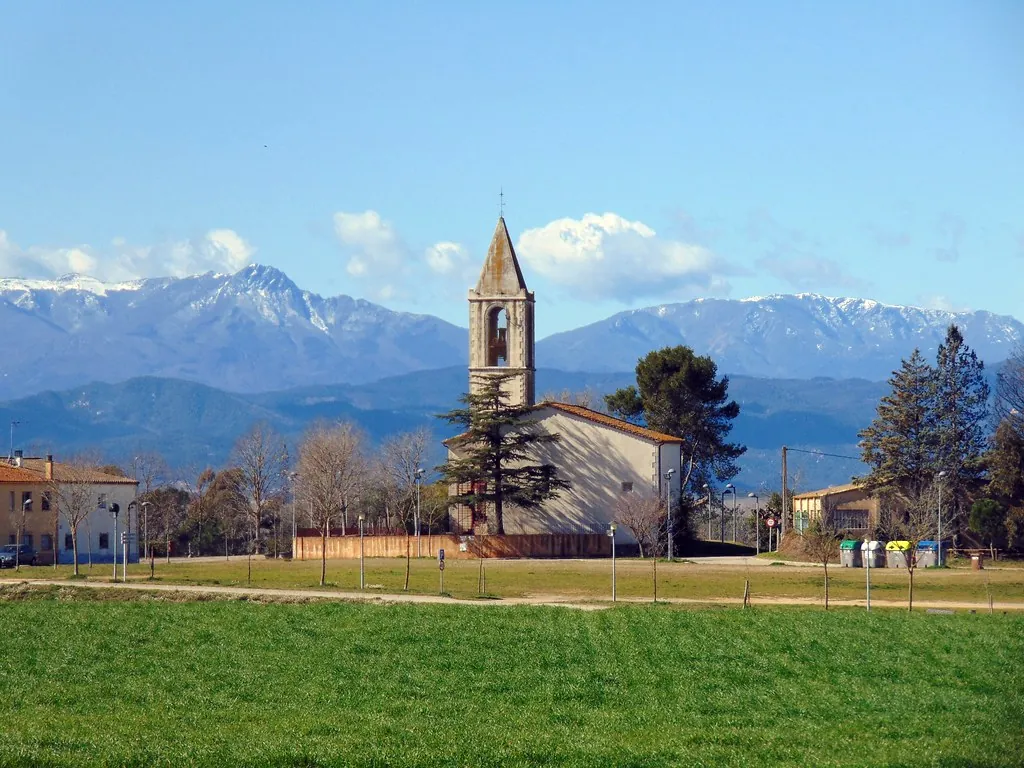
The small urban centre is organised around the parish church of Sant Esteve. Like many rural churches, it has been altered over time to suit changing needs. It is not a monumental building, yet it remains a clear reference point for the village and a traditional meeting place.
Nearby stand a handful of houses and buildings linked to agricultural life. Beyond the centre, masías remain visible in the surrounding land, some still in agricultural use, others residential. Many retain recognisable elements of traditional Catalan rural architecture. Compact volumes, exposed stone on some façades and interior courtyards reflect how daily work was once structured.
This part of Campllong does not aim to impress with scale. Its interest lies in how everything connects: church, houses and farmland form a continuous setting that reflects the rhythm of rural life.
Tracks across the fields
The area around Campllong lends itself more to walking or cycling than to seeking out dramatic viewpoints. The terrain is very gentle, and the agricultural tracks make it easy to move across the municipality without difficulty. These are simple routes that link masías, cultivated plots and small patches of woodland.
On clear days, looking north or west, the horizon is marked by higher ground from the interior of Girona. The view is not dramatic, yet it offers a good sense of the agricultural plain that defines much of the Gironès.
Anyone following these paths should keep in mind that many are still working routes. Encounters with tractors or farm machinery are common, especially during sowing and harvest periods. This is an active landscape, not a preserved one, and that is part of its character.
Local life and celebrations
Community life in Campllong revolves around events organised by local associations and the town council. The main festival takes place in summer, around the feast of Sant Esteve, with activities that bring residents together. The atmosphere feels rooted in village life rather than shaped for visitors.
Other events appear throughout the year, linked to the traditional festive calendar. Christmas is a particularly active period, when cultural activities and gatherings are organised by local groups. These occasions offer a glimpse of how the community maintains its traditions in a small setting.
Placing Campllong on the map
Campllong can be covered quickly. The village centre is small, and much of the interest lies in the surrounding agricultural landscape. Many visitors arrive as part of a wider journey through the Gironès.
Girona is about a twenty-minute drive away and holds much of the region’s historical heritage. A little further north sits Banyoles, known for its lake. Inland, other villages preserve well-maintained medieval architecture.
Within Campllong itself, attention often turns to the dispersed masías. Some still retain their traditional layout, designed to make the most of sunlight while shielding working areas from the wind. These details offer a clear sense of how people have lived and worked on this plain for centuries.