Full Article
about Flaçà
Historic rail junction; quiet town with old industrial chimneys
Hide article Read full article
Flaçà, o cuando el campo llega hasta la acera
Flaçà es de esos sitios que te recuerdan que no todo en el Gironès son postal y monumento. Llegas y lo primero que ves, a menudo, no es una señal turística, sino un tractor aparcado junto a un portal. Eso te da la pista. Aquí el campo no es un decorado al fondo; está metido en el pueblo, literalmente. La vida gira alrededor de lo que pasa en esas tierras llanas que empiezan donde terminan las últimas casas.
Con poco más de mil habitantes, el ritmo es el suyo, marcado por las temporadas agrícolas. No hay un centro histórico perfectamente empaquetado para visitar. Hay calles donde conviven casas nuevas con otras de piedra con puertas lo suficientemente grandes como para que pasara un carro. Esa mezcla sin pretensiones es la gracia.
La iglesia y lo que queda del ayer
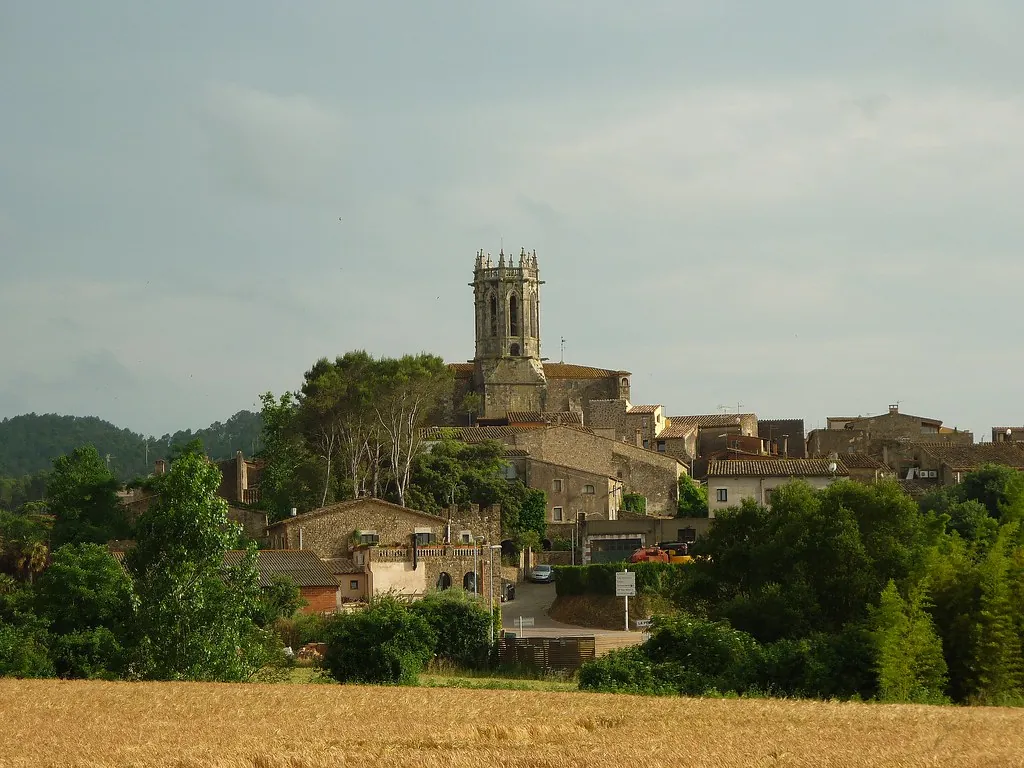
El punto de referencia es la iglesia de Sant Aciscle. No vas a alucinar con su arquitectura, pero tiene esa solidez de los edificios que han estado ahí siempre, viendo pasar los siglos sin demasiado alboroto. A su alrededor se agrupan las pocas calles con más antigüedad. No es un museo al aire libre; es más bien ese rincón donde aún se nota cómo era esto cuando la agricultura lo era todo.
Da gusto caminar por ahí sin prisa, fijándose en los detalles: una reja oxidada, la madera gastada de un balcón, la piedra vista sin ningún tipo de enfrente decorativo. Es auténtico porque nadie se ha molestado en fingir que es otra cosa.
Perderse por los caminos (es fácil)
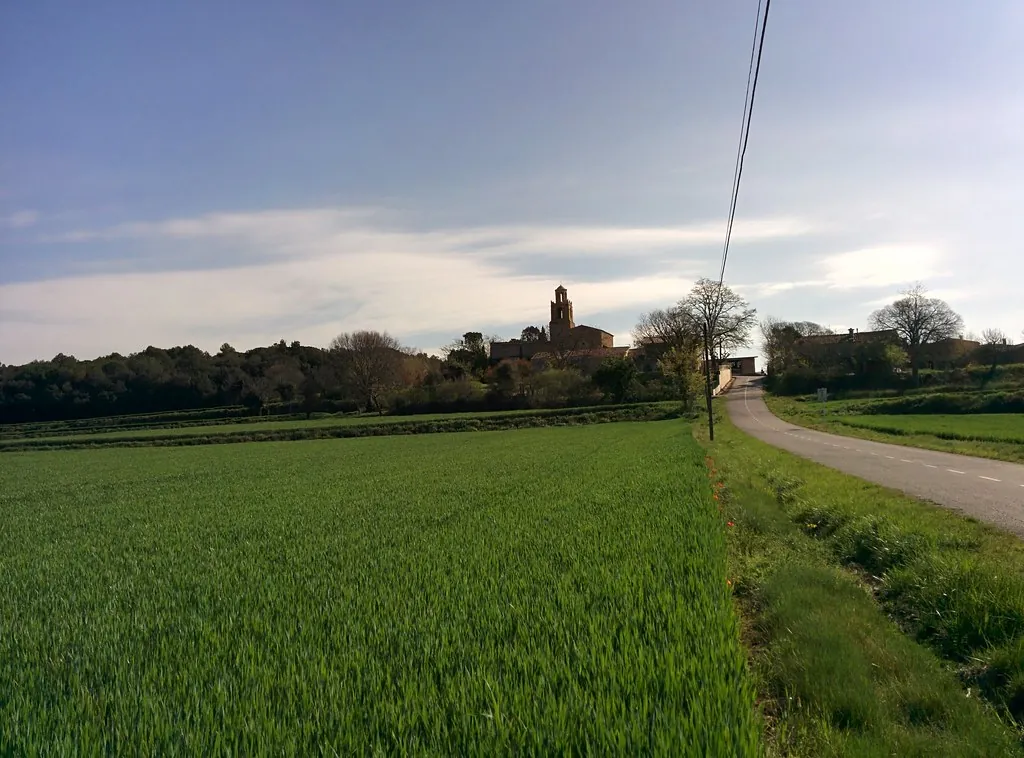
La verdadera visita a Flaçà empieza cuando sales del núcleo urbano. En cinco minutos estás en medio de campos llanos, una rareza agradecida en una provincia de cuestas. Los caminos son anchos, de tierra o grava, y se adentran entre cultivos hacia masías dispersas.
No están señalizados como rutas turísticas. Son vías de trabajo, usadas por los tractores y por algún vecino en bici. Eso les da más valor. Puedes pasar una mañana caminando o pedaleando sin rumbo fijo, dejándote llevar por el cruce que parezca más interesante. En verano, ve pronto o al atardecer; el sol pega duro y la sombra brilla por su ausencia.
El silencio no es absoluto—se oye el viento, los pájaros, a veces la maquinaria—pero tiene una calidad distinta. Te das cuenta del ciclo agrícola: el verde intenso de primavera, el amarillo seco del verano, la tierra removida en otoño.
Una base tranquila, no un destino
Seamos claros: no vengas a Flaçà buscando museos o tiendas bonitas. Vienes por esto otro: por tener un rato de calma entre campos, por ver un pueblo que funciona sin depender del turista.
Su posición es práctica. Estás a un paso en coche de Girona ciudad para el contraste urbano cuando te apetezca. Y tienes otros pueblos cercanos como Bordils o Viladasens a tiro de paseo por esos mismos caminos llanos.
Aquí planeas poco: un paseo largo, sentarte en un banco a leer nada más llegar… ese tipo de planes simples que saben bien cuando llevas mucho ritmo.
El año tiene su punto álgido
El momento en que Flaçà cambia completamente de cara es durante su Fiesta Mayor, en verano. La plaza se llena de sillas, hay música y cena comunal para los vecinos. Es cuando regresa gente que ya no vive aquí y el ambiente se vuelve festivo, aunque siempre dentro de una escala familiar y local.
También celebran Sant Joan, como en toda Cataluña: hogueras en la calle y coca para compartir con los cercanos. Es una fiesta de barrio más que un espectáculo organizado para foráneos.
En resumen
Flaçà no te va a sorprender con grandezas monumentales. Te ofrece algo quizás más difícil de encontrar: normalidad campesina dentro del Gironès. Es ese pueblo donde el silbido del tren lejano se mezcla con el olor a tierra recién labrada y donde pasear sin objetivo es el mejor plan posible.
Vale la pena si buscas eso precisamente: desconectar entre campos infinitos y horizontes bajos. Si esperas emoción turística al uso, probablemente te quedes corto. Pero si lo que quieres es ver cómo late un pueblo que aún mira primero a sus tierras, entonces ya has llegado