Cavalier Garde Républicaine trois-quart dos.jpg
Jebulon · CC0
Cataluña · Sea, Mountains & Culture

Quart

Seven kilometres from Girona's cathedral spires, Quart doesn't announce itself. The road simply widens, houses multiply, and suddenly you're in wha...

4,165 inhabitants · INE 2025
91m Altitude

Why Visit

Pottery Museum Ceramics Route

Best Time to Visit

year-round

Pottery Fair (May) mayo

Things to See & Do
in Quart

Heritage

  • Pottery Museum
  • Former train station

Activities

  • Ceramics Route
  • Cycling the Carrilet

Festivals
& & Traditions

Fecha mayo

Fira de la Terrissa (mayo), Fiesta Mayor (julio)

Las fiestas locales son el momento perfecto para vivir la autenticidad de Quart.

Full Article
about Quart

Pottery town near Girona; known for its black ceramics and the greenway

Ocultar artículo Leer artículo completo

Seven kilometres from Girona's cathedral spires, Quart doesn't announce itself. The road simply widens, houses multiply, and suddenly you're in what looks like a modern housing estate with an old church stuck in the middle. No dramatic gateway, no tourist office, no coach parks. Just a village where 4,000 people live because Girona's property prices made them look elsewhere.

The altitude reads 91 metres above sea level, but it's the altitude of compromise. Close enough to Girona for a ten-minute commute, far enough that your mortgage doesn't give you nightmares. Drive through on a Tuesday morning and you'll see the evidence: hatchbacks reversing from identical driveways at 7:45 am, their drivers clutching travel mugs, heading for the city that pays their wages.

Stone Among the Semis

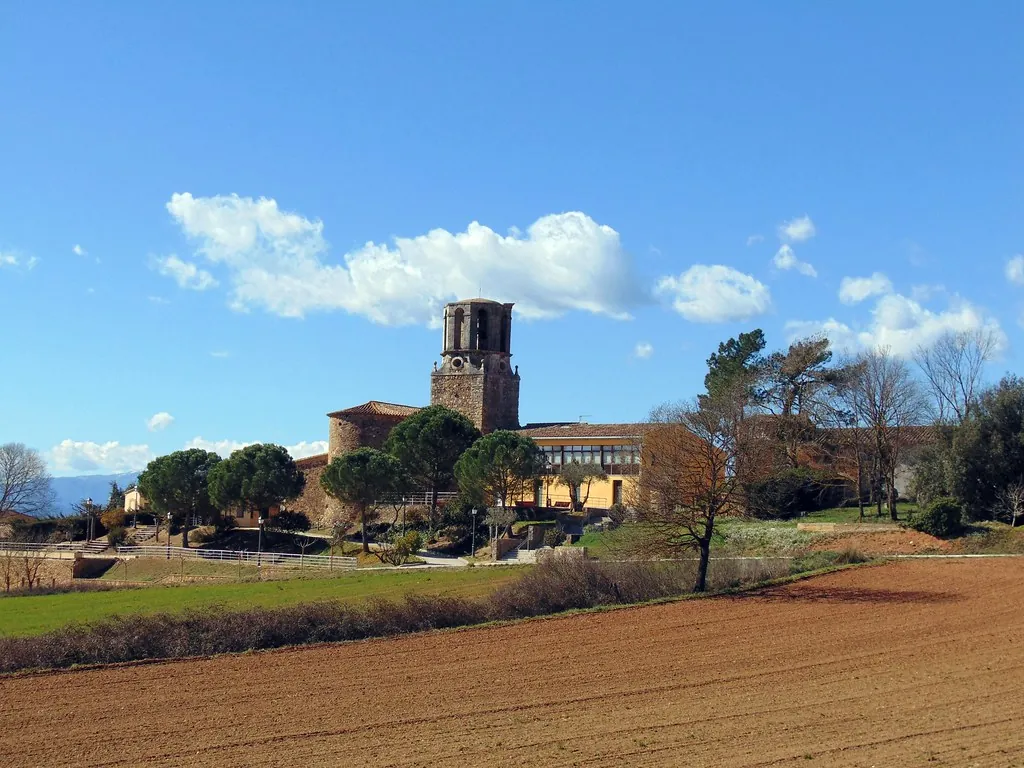
Yet Quart refuses to be suburban. The medieval core clusters around the church of Sant Julià like barnacles on a rock, its narrow streets too tight for modern cars. The church itself isn't cathedral-grand or art-gallery-pretty. It's simply been here since people first needed somewhere to pray, modified each century according to taste and budget. Stand in its shadow and you'll understand the village's timeline: medieval foundations, agricultural expansion, then the modern rush that threw up red-brick estates between the wheat fields.

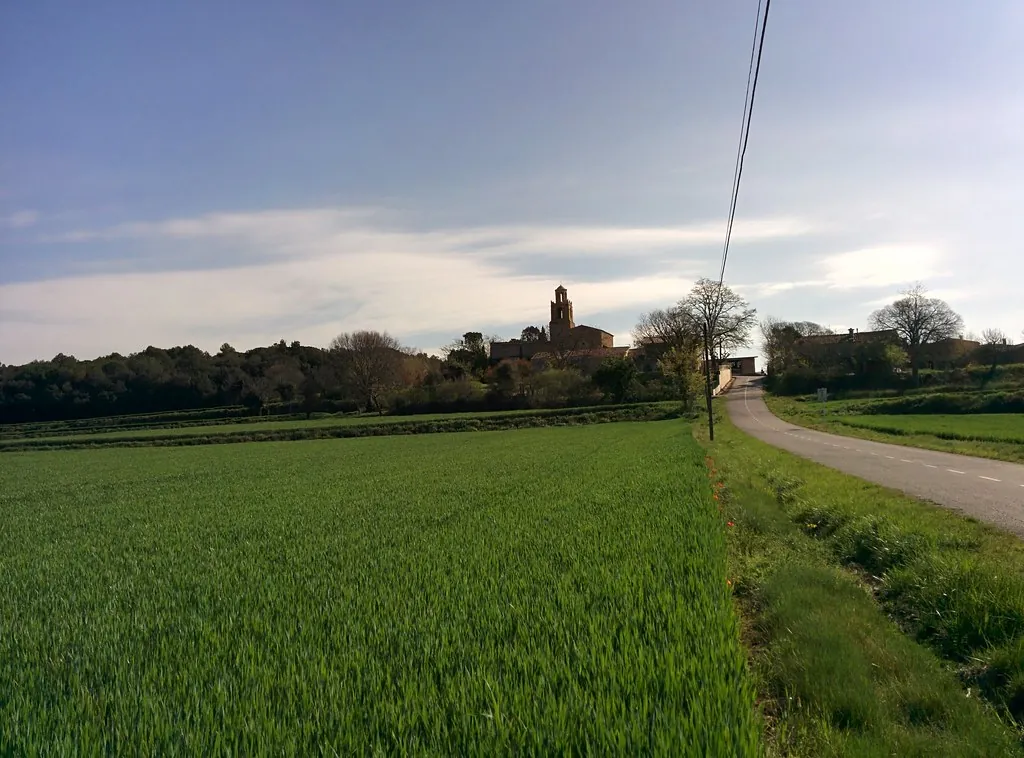
Those fields still matter. Follow any road out of the centre and you'll hit them within minutes. Masías - working farmhouses built from honey-coloured stone - punctuate the landscape, some seventeenth-century survivors still functioning, others converted into weekend places for Barcelona families who've discovered that rural Catalonia costs less than the Costa Brava. The transition isn't always graceful. A tractor might be parked next to a swimming pool. A vineyard might back onto a playground. Quart's identity sits in this tension between productive land and commuter dormitory.

The best way to understand this is to walk the agricultural tracks that spiderweb the municipality. Start early, before the sun makes the decision for you. Within twenty minutes you'll have left the estate agents' boards behind, finding yourself between cereal fields that stretch towards the Gavarres massif in the east. The paths aren't wilderness trails - they're working routes shared with farm machinery - but they reveal the landscape that shaped this place. Look for the ermita of Santa Maria de Palau, reachable via a rough track that becomes interesting after rain. Small, isolated, practical: exactly the kind of building that served scattered medieval communities before anyone needed planning permission.

Eating Without the Hype

Food here follows agricultural logic rather than tourist expectations. Lunch happens at 2 pm, involves bread and wine, and finishes with coffee strong enough to restart your heart. The local restaurants - there are several along the main road - serve the menu that sustained Catalan farmworkers: grilled meats, seasonal vegetables, the kind of cooking that never needed a hashtag. Expect to pay €12-15 for a three-course lunch menu, including wine that arrives in a glass bottle rather than a tasting note.

Evening dining requires more planning. Many kitchens close at 4 pm and don't reopen, forcing you towards Girona if you fancy dinner after 9 pm. This isn't a failing - it's simply how villages work when most residents commute and supermarkets exist. Buy provisions accordingly, or accept that you'll be driving into the city for anything more elaborate than bread and cheese.

The Girona Effect

Proximity to Girona defines modern Quart more than any local attraction. The village functions as an overspill dormitory, absorbing people priced out of the medieval centre ten minutes away. This creates an interesting demographic mix: families whose grandparents farmed these fields alongside professionals who work in tech or tourism, all united by the same traffic jam on the C-65 each morning.

The relationship works both ways. Quart provides breathing space and parking, Girona provides employment and entertainment. You can breakfast on your rental terrace watching agricultural machinery, then spend the afternoon wandering Girona's Jewish quarter or eating at a Michelin-starred restaurant. The contrast feels sharper than the distance suggests, like switching channels between BBC Four and ITV within the same evening.

When to Bother

Spring and autumn reveal Quart at its most convincing. February brings almond blossom that makes the agricultural landscape temporarily romantic. October means mushroom season and the smell of wood smoke from masía chimneys. Summer turns the place into a commuter dormitory with added heat - perfectly pleasant if you have air conditioning, less appealing if you're relying on traditional thick stone walls for climate control.

Winter deserves honesty. It rains, often heavily. Agricultural tracks become muddy challenges rather than pleasant walks. The village's modern houses, built for Mediterranean summers, can feel draughty and expensive to heat. Cafés reduce their hours. You'll need a car, warm clothes, and realistic expectations about rural Europe in the off-season.

The Honest Truth

Quart won't change your life. It offers no bucket-list experiences, no Instagram moments that'll break the internet. What it provides is access - to Girona's urban attractions without urban prices, to agricultural landscapes without isolation, to authentic village life without the performance that tourism often demands.

Come here for the right reasons. Use it as a base for exploring Girona province rather than a destination in itself. Walk the agricultural tracks early morning, eat lunch where the tractors park outside, understand how modern Catalonia accommodates commuters and farmers within the same postal code. Then drive into Girona for dinner, smug in the knowledge that your parking costs nothing and your neighbours are harvesting olives rather than hashtags.

Just remember to fill up with petrol before Sunday evening. Rural Catalonia runs on its own schedule, and Quart follows agricultural time rather than city convenience. The church bells still mark the hours, the fields still dictate the seasons, and the commuters still leave at 7:45 am sharp. Some things remain refreshingly unchanged, even seven kilometres from Girona's medieval walls.

Key Facts

Region
Cataluña
District
Gironès
Coast
No
Mountain
No
Season
year-round

Planning Your Visit?

Discover more villages in the Gironès.

View full region →

More villages in Gironès

Traveler Reviews