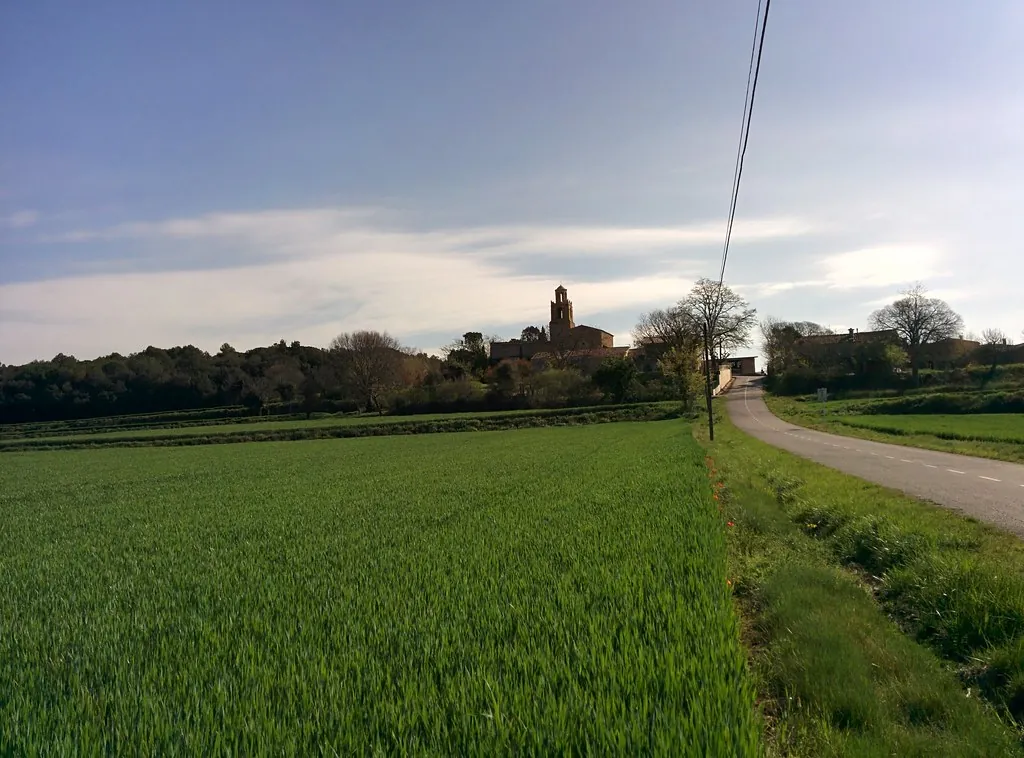
Al portal nou cap a Sant Andreu Salou.jpeg
Josep Salvany i Blanch · Public domain
Cataluña · Sea, Mountains & Culture

Sant Andreu Salou

The church bell strikes seven and the only other sound is a diesel Massey Ferguson rumbling towards the fields. Sant Andreu Salou, population 171, ...

161 inhabitants · INE 2025
132m Altitude

Why Visit

Church of Sant Andreu Cycling tourism

Best Time to Visit

year-round

Fiesta Mayor (September) septiembre

Things to See & Do
in Sant Andreu Salou

Heritage

  • Church of Sant Andreu
  • traditional farmhouses

Activities

  • Cycling tourism
  • Gentle hikes

Festivals
& & Traditions

Fecha septiembre

Fiesta Mayor (septiembre), Fiesta de invierno

Las fiestas locales son el momento perfecto para vivir la autenticidad de Sant Andreu Salou.

Full Article
about Sant Andreu Salou

Small farming village; landscape of fields and Mediterranean woodland

Ocultar artículo Leer artículo completo

The church bell strikes seven and the only other sound is a diesel Massey Ferguson rumbling towards the fields. Sant Andreu Salou, population 171, is awake long before the Costa Brava traffic queues form 20 kilometres away. At 132 metres above sea level the village sits high enough to catch the morning breeze that drags the scent of wet grass and wood smoke across the stone roofs. This is not the Catalonia of beach umbrellas and sangria fountains; it is the buffer zone between Girona’s medieval alleys and the pine-clad hills that roll down to the sea.

A map dot with a pulse

A single lap of the village takes twelve minutes if you dawdle. Carrer Major curves past the bakery (open three mornings a week), the parish church of Sant Andreu, and a handful of stone houses whose wooden doors still carry the metal studs designed to repel Napoleonic bayonets. The place name is Catalan, not Spanish; ask for “Sant And-drey Sah-loo” and locals will know you tried. English is thin on the ground, yet the butcher in neighbouring Campllong has been known to weigh chops in imperial for baffled Brits who left their metric heads at Gatwick.

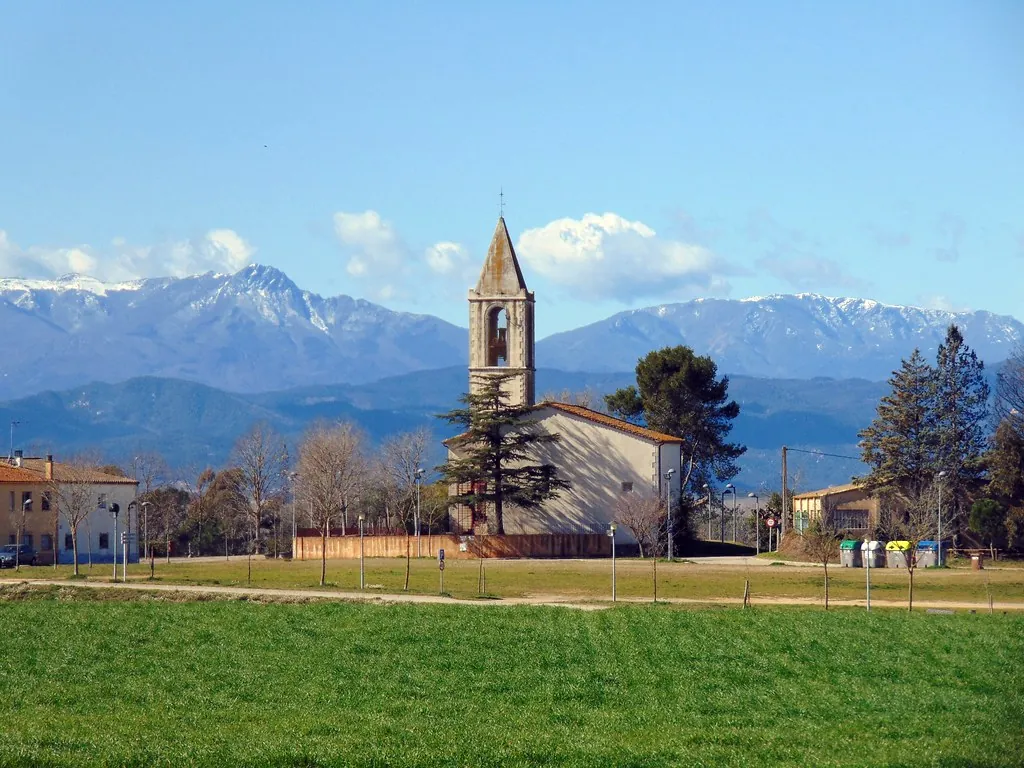
The church itself is a patchwork: Romanesque bones, Gothic facelift, Baroque bell-tower. Climb the two worn steps to the porch and you can see the stone recycled from an earlier mosque—one less thing for the Reconquista to haul home. Inside, the air smells of candle wax and the floor lists gently, as if the whole building is leaning into the surrounding farmland. Mass is celebrated in Catalan at 11:00 on Sundays; visitors are welcome but the priest keeps the homily short because the congregation has lunch on the stove.

Lanes, lycra and livestock

Sant Andreu Salou makes a convenient spoke in a cycling wheel. Flat farm tracks head north to Quart and south to Cassà de la Selva, both about 8 km away, so you can breakfast on toast rubbed with tomato and olive oil, then burn it off before the oil has time to complain. Road bikes are fine; hybrids better if you fancy the dirt shortcut past the 17th-century masia of Can Cacera, still a working pig farm whose Iberian hams swing from the rafters like dark chandeliers. Walkers can follow the yellow-dotted PR-C 124 that links five villages in a 14-km loop; stout shoes suffice, poles overkill.

Rain is the surprise guest. September is the wettest month—96 mm across roughly half the days—so pack a feather-weight mac even when the forecast shows cartoon suns. October doubles the rainfall of June, which is why property owners look relieved when British half-term families drive past on their way to the coast. Winter nights drop to 3 °C; by April the terraces are warm enough for evening Cava, though you’ll still want a jumper after ten o’clock.

What you won’t find (and why that matters)

There is no cash machine, no supermarket, no taxi rank. The single bar opens at 07:00 for farmers, closes at 14:00 for siesta, and may or may not reopen depending on whether Barcelona are on the telly. Plan accordingly: Mercadona in Cassà de la Selva (4 km) stocks everything from Tetley tea to tortilla chips until 21:30, but shut on Sundays. Fuel, pharmacy and cash point cluster six kilometres east in Fornells de la Selva; after midnight you’re essentially in a dry village unless you pre-book a cab from Girona.

Mobile signal evaporates the moment you leave the tarmac, so download offline maps before setting out across the fields. Stray past a low stone wall and you may find yourself in somebody’s vegetable plot; Catalans are polite but they keep shotguns for wild boar and opinions about trespassers. Stick to the signed camins rurals and you’ll be offered figs instead of suspicion.

Eating: bread, pork and the occasional chip butty

The village itself has no restaurant, yet you are never more than ten minutes from a decent meal. Can Xarina in Campllong (2 km) serves a three-course menu del dia for €16; grilled salmon or roast chicken appear if you whisper “para los ingleses”. Local Social de Campllong does the same trick with chip-like wedges that comfort fussy children. Closer to Girona, the Mercat del Lleó hides a British-run cheese stall where you can buy cheddar strong enough to make a Somerset farmer homesick—handy if the local fuet (thin, mild cured sausage) feels too foreign before breakfast.

Back in the village, buy vegetables from the honesty box outside Can Gruart: aubergines, peppers and tomatoes still warm from the polytunnel, prices scrawled on a broken roof tile. Pa amb tomàquet—bread rubbed with garlic, tomato and oil—is the gateway drug to Catalan cuisine; cheap, filling, and vegetarian without trying.

Festivals: fireworks and farming calendars

The fiesta major lands around 30 November, feast of Sant Andreu. The population quadruples for forty-eight hours as grandchildren return from Barcelona and distant cousins park hatchbacks along the wheat stubble. A communal paella stretches across the square, fuelled by wood cut from the previous winter’s pruning. Dancing starts after the priest has blessed the bread and finishes when the drums outlast the brandy. Summer brings a low-key verbeneta: plastic tables, one ageing rock trio, children chasing each other between chair legs until the cider runs out. Neither event is advertised beyond a laminated poster in the bakery window; if you happen to be in residence, you will be handed a plate and expected to join in.

Using the village as a base

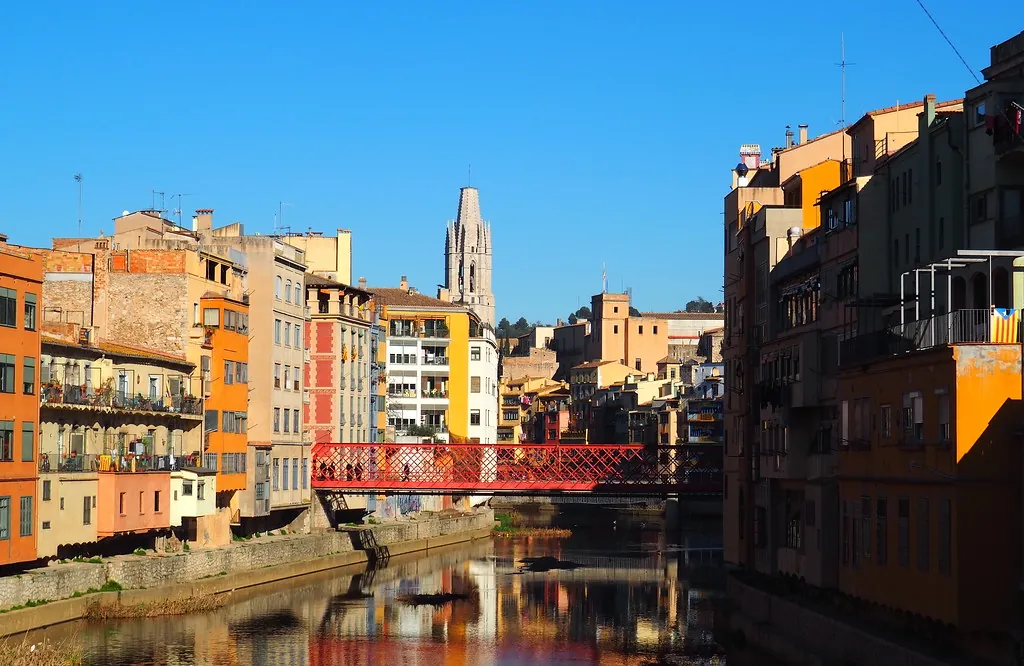
Girona’s cathedral, Game-of-Thrones arab baths and colour-shot Onyar houses lie fifteen minutes west by car. Park in the free rotunda near the railway station and walk the ramparts; the city’s £4.50 fixed-price coffee is cheaper than anything you’ll find inside the medieval walls of York. Head east for 25 minutes and Tossa de Mar delivers a scoop of sand book-ended by castle towers; arrive before 10:00 in July and you can still claim a patch the size of a Bath towel without paying €18 for two loungers.

Further afield, the volcanic landscape of La Garrotxa cracks and steams 40 km north, while the Dali triangle (Figueres, Port Lligat, Púbol) makes an eccentric day trip if you don’t mind motorways. The point is that Sant Andreu Salou gives you rural quiet at Airbnb prices 30 % lower than coastal equivalents, yet nothing is more than half a tank of petrol away.

Departing without clichés

Leave before the church bell strikes noon and you will meet the same tractor you heard at dawn, heading home for lunch. The driver lifts two fingers from the steering wheel—not a wave, more a recognition that you shared the same morning air. Sant Andreu Salou will not change your life, but it might reset your tempo for a couple of days. Just remember to fill the hire-car tank on Saturday; on Sunday the nearest pump sleeps as soundly as the village itself.

Key Facts

Region
Cataluña
District
Gironès
Coast
No
Mountain
No
Season
year-round

Planning Your Visit?

Discover more villages in the Gironès.

View full region →

More villages in Gironès

Traveler Reviews