Full Article
about Sant Martí de Llémena
Scattered municipality in the volcanic Llémena valley; nature and quiet.
Ocultar artículo Leer artículo completo
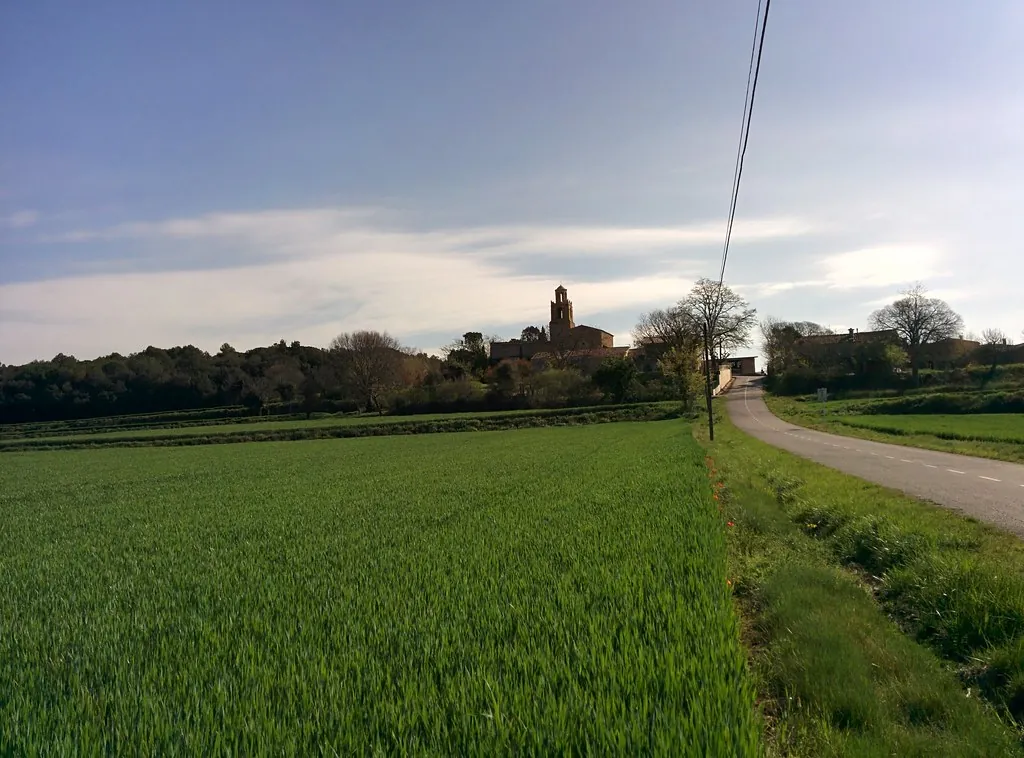
The morning mist lifts from the Llémena River like steam off a fresh cuppa, revealing stone farmhouses that have watched over this valley since before Britain had railways. At 256 metres above sea level, Sant Martí de Llémena sits quietly in Catalonia's interior, where the loudest sound is often a tractor heading to fields that have been worked for centuries.
This isn't Costa Brava territory. The Mediterranean lies forty minutes east, close enough for a day trip but far enough that the village keeps its own rhythm. Here, 709 residents organise their days around daylight and harvests rather than tourist timetables. The nearest Costa del Sol-style development is a world away.
The Valley That Time Tweaked, Not Transformed
The Romans passed through, leaving their mark on the language. The medieval builders constructed Sant Martí's church with thick walls that still stand, though they've been modified so many times that historians play spotting games with the architectural layers. The bell tower serves as a landmark for walkers threading through the valley's network of paths, though calling it a network might be generous. These are farm tracks and old rights of way, not signposted tourist trails.
Traditional Catalan farmhouses, known as masías, scatter across the landscape like stone dice thrown by a giant. Many remain working farms, their terracotta roofs weathered to colours that would make a Cotswold village jealous. The buildings relationship with their land is practical, not pretty. Stone walls divide fields, threshing floors sit beside houses, and everything faces south to catch winter sun. It's agricultural logic made beautiful through longevity.
The Llémena River, a tributary of the larger Ter, has sculpted this valley over millennia. The result is a landscape of gentle slopes, occasional rocky outcrops, and riverside forests that turn copper and gold each autumn. Geology enthusiasts can spot characteristic pre-Pyrenean formations, though most visitors are content to notice how the light changes throughout the day, painting the stone walls different shades of honey and grey.
Walking, Cycling, and Wondering Why You Rushed
Sant Martí rewards those who abandon the checklist mentality. A circular walk from the village centre takes roughly two hours at British strolling pace, passing through oak forests and past working farms where dogs bark from behind stone walls. The path isn't marked with the efficiency of a National Trust route, but getting lost is difficult. The valley walls provide orientation, and eventually all paths lead back to civilisation.
Road cyclists find secondary roads with minimal traffic, though the terrain isn't flat. What looks gentle on Google Maps reveals itself as sustained climbs when you're actually pedalling. Summer cycling starts early here. By eleven o'clock, the heat makes midday rides uncomfortable for anyone not acclimatised to Mediterranean sun. Spring and autumn provide ideal conditions, with temperatures that wouldn't feel out of place in southern England.
The area called Les Avellanedes offers the closest thing to organised nature walking. Hazelnuts, oaks, and the occasional ancient olive tree provide shade for unhurried wandering. Birdwatchers should bring binoculars and patience. The valley's birdlife includes species rarely seen in Britain, though they're more often heard than seen. The reward isn't ticking off species but sitting quietly enough that the landscape forgets you're there.
When Farm to Table Isn't Marketing
Local food follows the seasons with Mediterranean logic. Winter brings hearty stews and preserved meats, spring offers vegetables that actually taste of something, summer means tomatoes worth eating raw, and autumn delivers mushrooms and game. The village has no Michelin-starred restaurants. Instead, small eateries serve daily menus based on whatever appeared at the market or came in from local farms.
Booking accommodation requires planning. El Nus de Pedra, a rural B&B mentioned in traveller reviews, represents typical local options. These aren't luxury retreats but renovated farm buildings where the walls are thick enough to keep rooms cool in summer and the breakfast includes eggs from chickens you can hear. Prices generally run lower than British B&Bs, though standards vary. Some places close entirely during winter months when tourism slows to a trickle.
The village shop stocks basics but don't expect artisanal chutneys or single-estate coffee. For serious supplies, Girona's supermarkets lie fifteen minutes away by car. This proximity to a major city means Sant Martí isn't isolated, just separate. You can pop into Girona for tapas and culture, then retreat to the valley before the evening rush hour starts.
The Reality Behind the Rural Fantasy
Access requires wheels. Public transport exists but runs on Spanish village time, meaning infrequently and not necessarily when you need it. A hire car from Girona airport opens up proper exploration, though the roads demand confident driving. Some farm tracks look temptingly like shortcuts on the map but require vehicles with decent ground clearance.
Mobile phone coverage varies from excellent to non-existent depending on which side of the valley you're on. Some visitors find this refreshing. Others panic. The village has fibre internet, but rural Spain moves at its own pace. Don't expect instant responses to booking enquiries or rapid solutions to minor problems.
Summer weekends bring day-trippers from Girona seeking cooler valley air. The population can triple temporarily, then shrink back to normal by Sunday evening. August sees many locals heading to the coast, leaving a quieter village but fewer services open. Winter brings proper cold. The valley traps mist and frost, creating landscapes that wouldn't look out of place in a Hardy novel, but also meaning some paths become muddy and challenging.
The honest truth? Sant Martí de Llémena suits travellers who can appreciate subtlety over spectacle. It's a place where a morning might involve watching farmers work their fields while you drink coffee, followed by a walk where the highlight is realising you've forgotten what day it is. The valley doesn't shout for attention. It simply continues being itself, offering a glimpse of rural Catalan life that hasn't been packaged for export.