

Full Article
about Llançà
Seaside town north of Cap de Creus; quiet beaches and a busy port.
Hide article Read full article
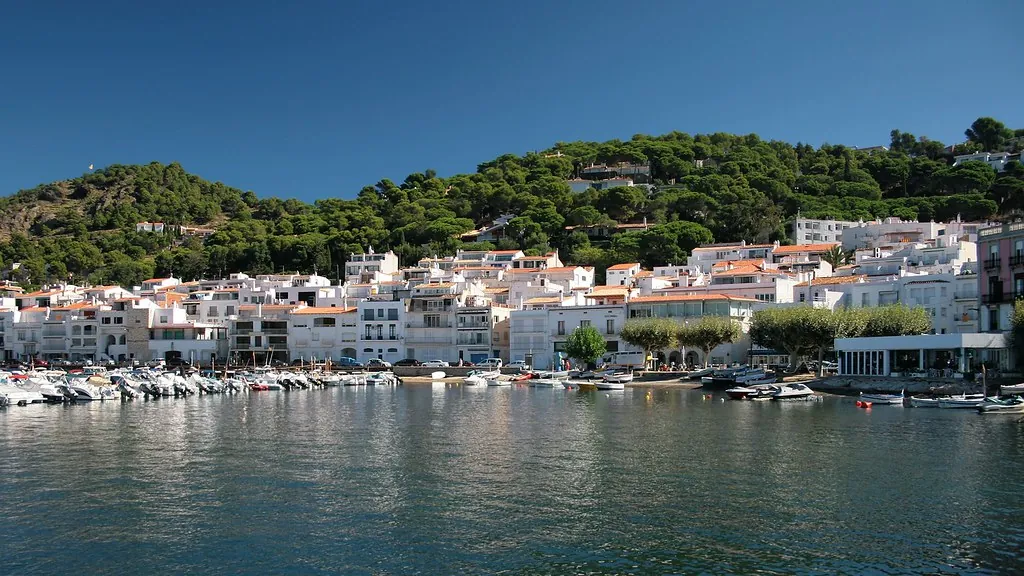
By mid-afternoon, when the tramuntana begins to make itself felt in the harbour, the quay in Llançà shifts its pace. The boats nod more sharply and ropes strike the masts with a dry, hollow sound that carries across the water. The air smells of salt and diesel from the smaller vessels. Some locals sit sheltered from the wind beside the small chapel by the port, as the sun drops and turns the water of the bay a burnished copper.
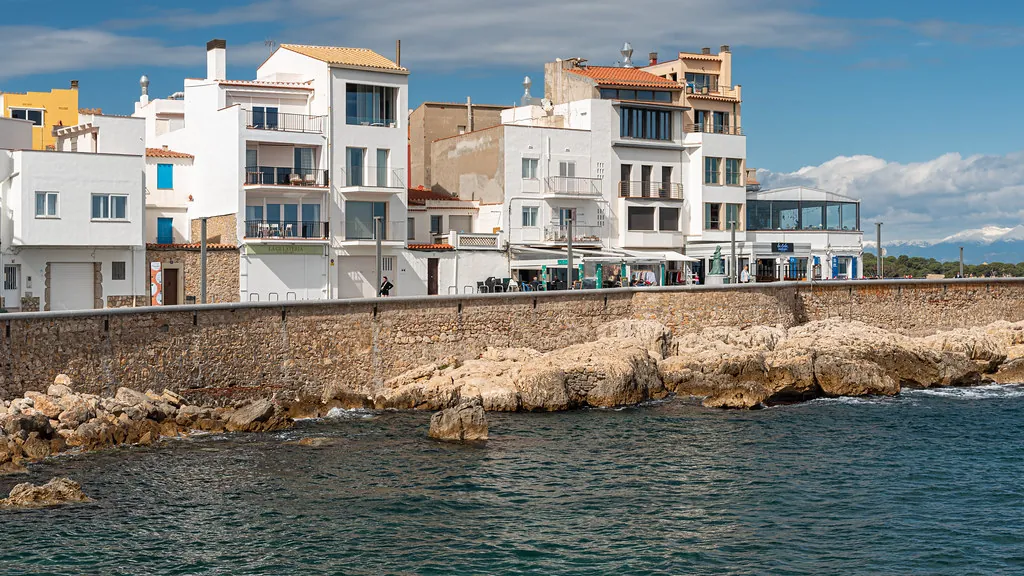
The harbour and the old town are not exactly side by side, and that becomes clear on foot. From the port area the view opens across the bay, with the coastline cutting away towards Cap de Creus. Higher up, in the old quarter known here as la Vila, the streets grow narrower and steeper. Remains of the old walls still stand, and a medieval tower has been folded into the line of houses. There is no need to hunt for landmarks. A slow walk up the cobbled streets shows how the town gathers itself on the hillside, drawing back from the strongest gusts of wind.
The Taste of the Bay
Cooking in Llançà follows the logic of the sea. Rock fish, a slow-cooked sofrito and dishes best eaten while the wind rattles outside set the tone. Suquet appears on many menus, each kitchen preparing it in its own way, usually with seasonal fish and potatoes. It is not showy food. It belongs to long tables and unhurried conversation.
Anchovies are part of everyday life along this stretch of the Empordà coast. In Llançà they are commonly found salted or preserved in oil, a regular presence in harbour bars and in family kitchens. Served with bread and tomato, they function almost as an automatic appetiser.
Early in the morning, as bakeries begin to open, trays of coca de recapte emerge from the ovens. This flatbread is topped with roasted vegetables and sometimes fish or cured meats. The scent of roasted peppers and onions lingers in the street for a while after.
Stone Paths Between Sea and Mountain
One of the clearest impressions when walking in Llançà is how close the sea lies to the Serra de Verdera. Behind the town, paths begin to climb towards the monastery of Sant Pere de Rodes. The ascent is long and steady, starting among low pines and Mediterranean scrub, with the smell of rosemary when the ground is dry. As height is gained, the coastline of the Alt Empordà reveals itself in full: Cap de Creus in the distance and small coves marking the shore.
To the north, the Camí de Ronda links Llançà with Port de la Selva along the cliffs. This is not a level seaside promenade. There are rocky stretches, awkward descents and sections where good footwear is advisable. The reward comes in the form of small coves tucked between rocks, some little more than a strip of dark sand and very clear water. Early in the morning they are usually quiet. As the day advances, kayaks and small boats begin to appear.
When the Town Comes Together
In winter, Llançà returns to a slower rhythm. The festivities of Sant Vicenç, held around January, tend to gather residents around bonfires and open-air meals when the weather allows. At that time of year the tramuntana can be harsh, so many conversations end up with people instinctively turning their backs to the wind.
Summer concentrates almost all activity around the harbour. An evening stroll is when the mix of people becomes most visible: lifelong residents, families who return year after year and many French visitors who cross the border for the day.
September brings a different balance. The heat eases, the sea still holds its warmth and terraces are no longer full from the first hours of the day. In the afternoons, crickets can be heard from the small areas of market garden that remain inland.
When the Harbour Falls Silent
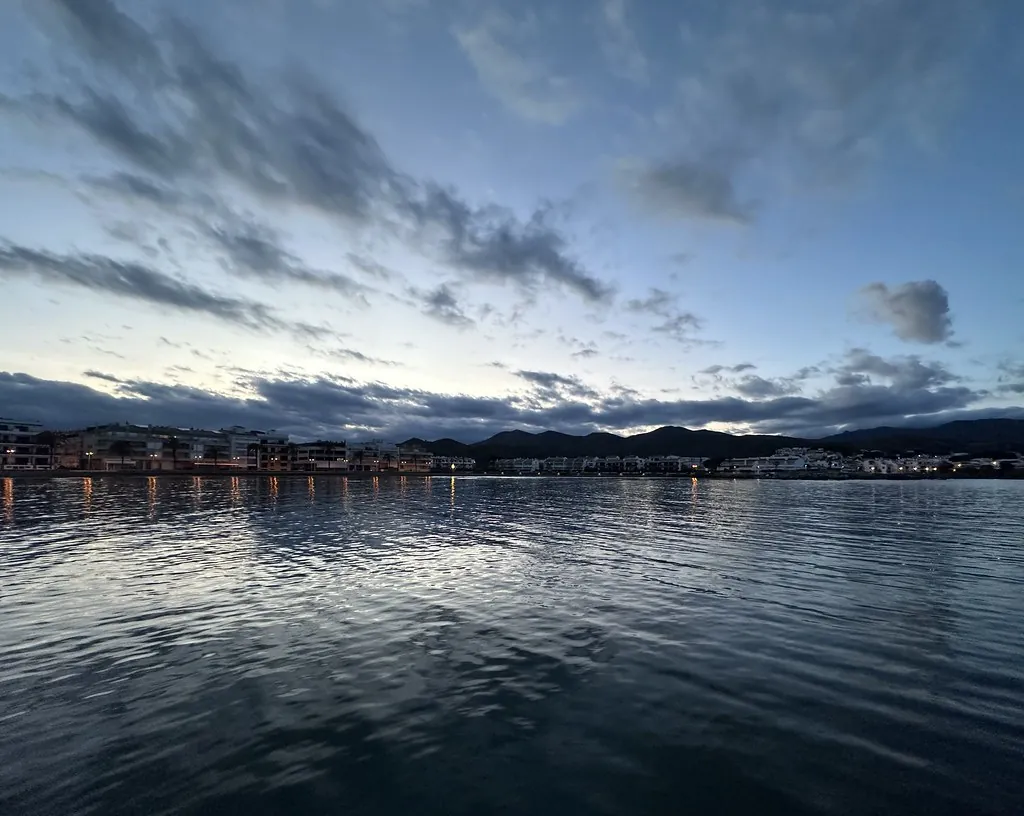
Staying in Llançà after dark changes the impression of the place. The harbour promenade empties, leaving mainly the soft slap of water against hulls and the faint clink of rigging.
Early in the morning, before eight, movement resumes gradually. Someone checks fishing nets, a metal shutter rattles open, the first car passes in search of a space near the quay.
If visiting in August, it helps to set out early, whether to move around the town or to walk the coast. By mid-morning traffic increases and parking near the harbour can become slow. In June and September everything feels more manageable. The sea still invites a swim and the paths can be walked in far greater quiet.
When the tramuntana blows hard, which happens several times a year, the landscape alters completely. The sea darkens, the air clears the sky within hours and the entire harbour seems to lean towards the north. On days like that, the connection between Llançà, the wind and the sea becomes unmistakable.