Full Article
about Alella
Wine-producing town known for its Denominación de Origen and its proximity to Barcelona and the sea.
Hide article Read full article
A Wine Village Above the Mediterranean
Tourism in Alella tends to begin with wine. The Denominación de Origen Alella, officially recognised in the mid-20th century, protects vineyards that together cover barely two hundred hectares spread across several municipalities in the surrounding area. Over time, however, the name has become associated above all with this particular village, located about 18 kilometres from Barcelona, between the Mediterranean motorway and the first slopes of the Serralada Litoral coastal range.
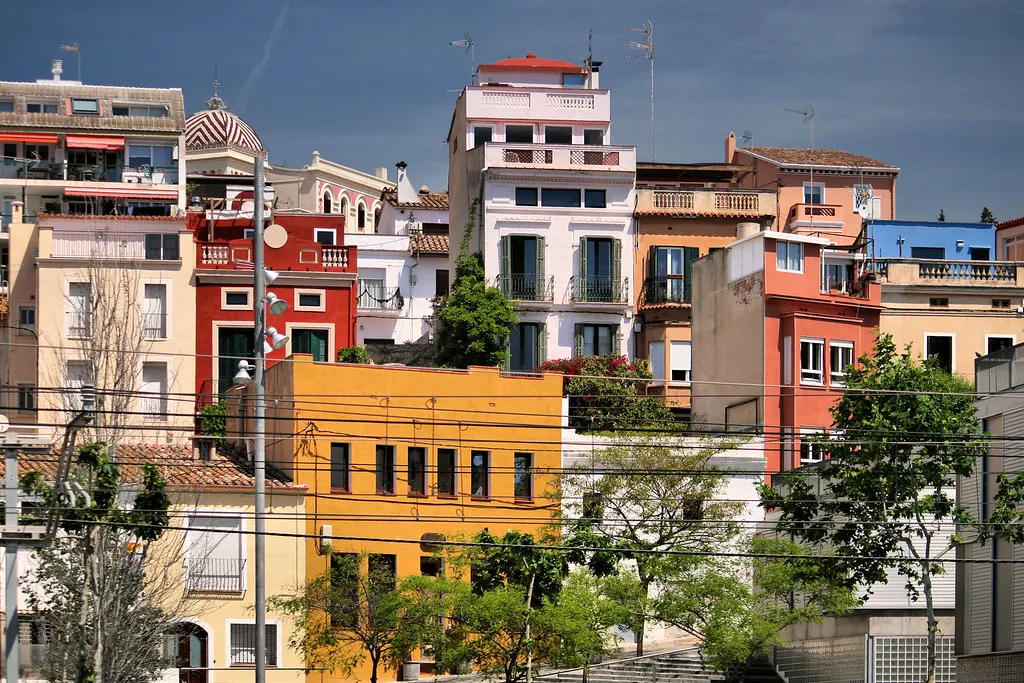
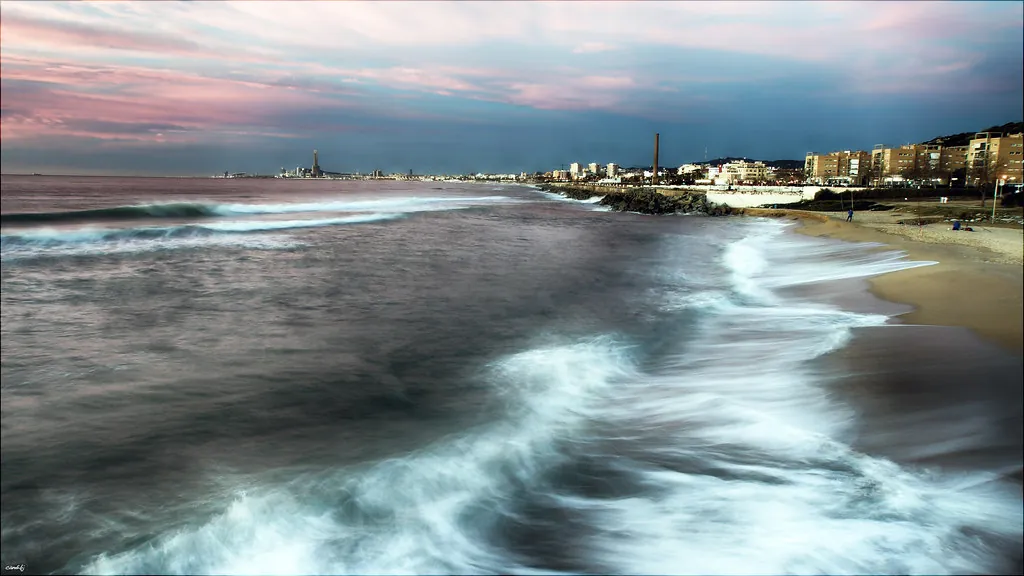
From the access road it quickly becomes clear that Alella does not follow the more familiar pattern of the Maresme coastline. The settlement is scattered rather than compact: houses among pine trees, masías surrounded by vines, and residential developments climbing the hillside. Nor is it strictly a beach town. The sea lies close by, yet Alella itself sits a little higher up, in a band of hills that for many years attracted well-to-do families from Barcelona.
By the late 19th century, once the railway was running along the coast, many began building second homes here among the vineyards. The proximity to the city, combined with a quieter setting, shaped the village’s modern character and left a visible mark on its architecture.
Wine as a Way of Life
The grape that defines Alella is pansa blanca, known in other Catalan regions as xarel·lo. It has shaped the local landscape for centuries. Notarial documents preserved in the Arxiu Comarcal del Maresme show that by the 16th century vineyards already occupied a large part of the municipal area, gradually replacing cereal crops that had previously dominated the lower ground.
Barcelona’s closeness ensured a ready market. During the 18th and 19th centuries, barrels of Alella’s white wine could easily reach the port of the Catalan capital. From there they supplied urban taverns as well as ships calling at the city.
The phylloxera crisis, which devastated vineyards across Europe, arrived here relatively late. Replanting did not take place until well into the 20th century. That period coincided with the construction of the modernist cooperative building in 1906, designed by Jeroni Martorell. Built in exposed brick with ceramic roof tiles, it still stands and gives an idea of the scale that vine cultivation once had in Alella. Today production is shared among various small and medium-sized wineries, many of them family-run.
The soil is another key factor. Much of Alella sits on sauló, a decomposed granite typical of this stretch of the Catalan coast. It contains little organic matter and drains quickly. As a result, vines are forced to send their roots deeper into the ground, and the white wines produced here are often noted for their marked mineral character. In recent decades, red varieties such as tempranillo and merlot have also been planted on some plots.
From Roman Villa to Summer Retreat
Beneath the vineyards lies a much older story. In the area of Can Lleonart, north of the town centre, excavations carried out in the 1970s uncovered the remains of a 1st-century AD Roman villa. Archaeologists identified features including a hypocaust heating system and geometric mosaics. The farmstead produced wine for local consumption, as suggested by the amphorae found during the digs. Around the 5th century the settlement was abandoned, probably amid the wider disintegration of Roman authority in the region.
The name Alella appears in written records in the year 975, in a consecration document for Barcelona Cathedral, under the form Aliella. Some linguists link it to an Iberian root combined with a Latin suffix, although the precise origin remains uncertain.
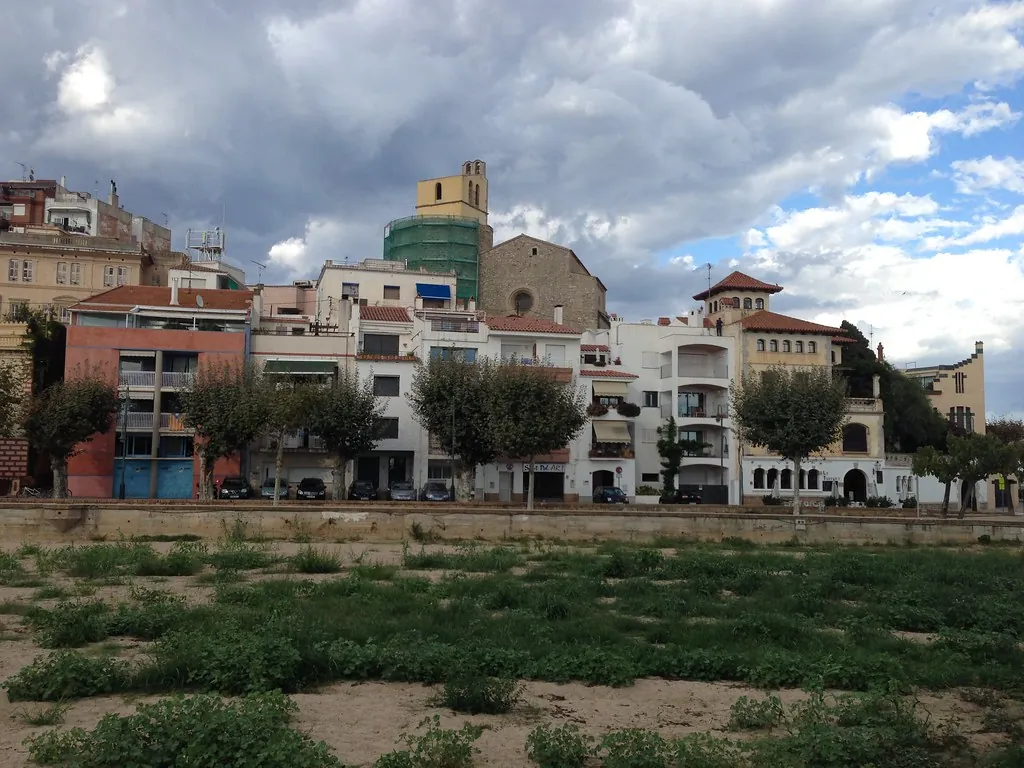
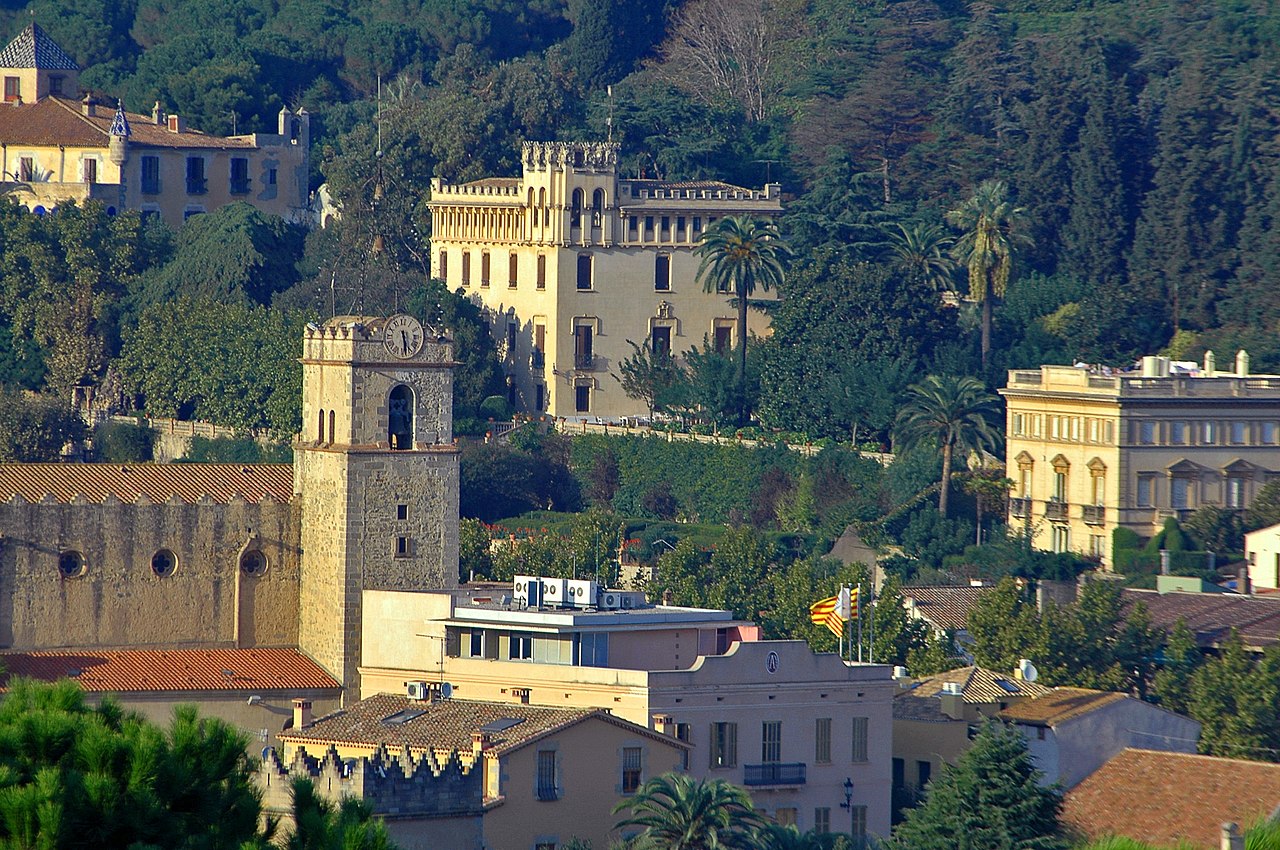
During the Middle Ages, the parish church of Sant Feliu formed the heart of the village. Its bell tower preserves Romanesque elements from the 12th century, while the rest of the building reflects later alterations in Gothic, Baroque and Neoclassical styles. Inside stands a reddish stone baptismal font which, according to local tradition, was made from reused materials taken from the earlier Roman villa.
The most visible transformation of Alella’s appearance came between the end of the 19th century and the early decades of the 20th. With the coastal railway in operation, the village began to attract Barcelona families seeking a summer house near the sea yet away from the bustle of the city. In this context the neighbourhood of El Rost took shape, a sloping area where residences with gardens were built. Several architects linked to modernisme, among them Eduard Ferrés i Puig, designed some of these houses. Their use of stone and ceramic, together with period ornamental details, still makes them recognisable today.
Three Hills and a Vineyard Landscape
The municipality is organised around a series of parallel hills descending towards the sea. Between them run torrentes, watercourses that usually remain dry and only carry water after heavy rain. The relief explains the distribution of the landscape. Pine woods and Mediterranean forest cover the higher, cooler ground, while vineyards occupy the sunnier slopes.
One of the common walks in the area links several of these elevated points, including Turó Gros and Turó de Sant Mateu. From these heights it becomes easier to understand how vine plots fit between patches of woodland. On clear days, much of the Maresme coastal strip comes into view. Looking south-west, the outline of Barcelona can also be made out in the distance.
Alella’s appeal lies in this combination of cultivated land and low hills close to a major city. Wine remains the thread that connects its Roman past, its medieval parish and its later role as a summer retreat for Barcelona’s bourgeoisie. Even with the sea nearby, the identity of the village is tied more closely to its slopes of sauló and to the pansa blanca vines that continue to define them.