Full Article
about Argentona
Known for its modernista heritage and traditional Feria del Cántaro in a quiet setting.
Ocultar artículo Leer artículo completo
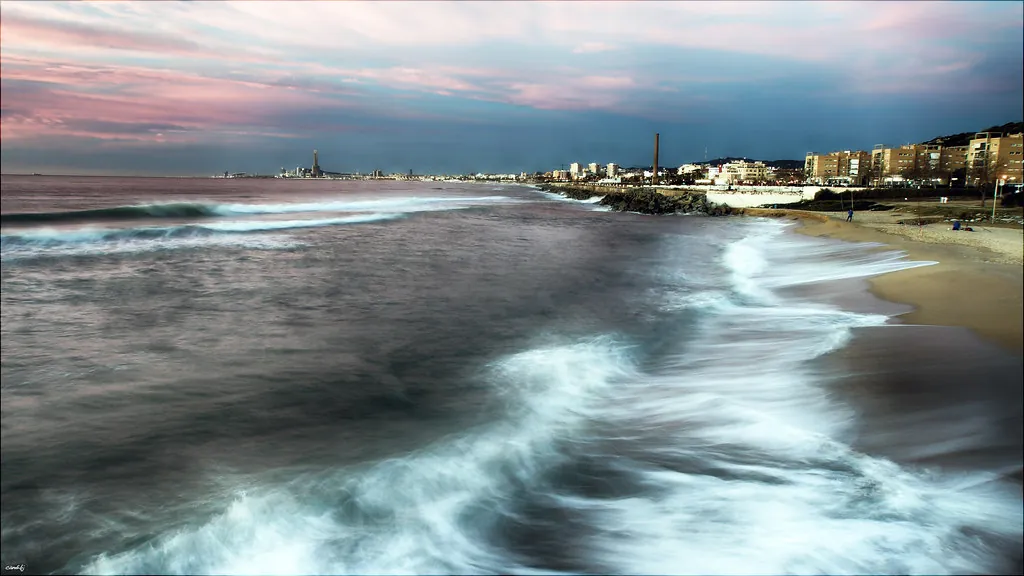
The morning train from Barcelona drops you at Mataró's concrete station, and suddenly everyone else heads east towards the beach. Turn west instead. A ten-minute bus ride climbs through pine-scented air, and just like that, you're 200 metres above the Mediterranean in a town that treats tourism as an afterthought.
Argentona doesn't do sea views. It does fountains—over a dozen public ones, each with its own character and local legend. The most famous, Font Picant, delivers naturally carbonated water that tastes like someone added bubbles when you weren't looking. Locals fill plastic bottles by the dozen, insisting it's the ultimate hangover cure. Whether or not that's true, it's certainly free, which explains the queue that forms each morning.
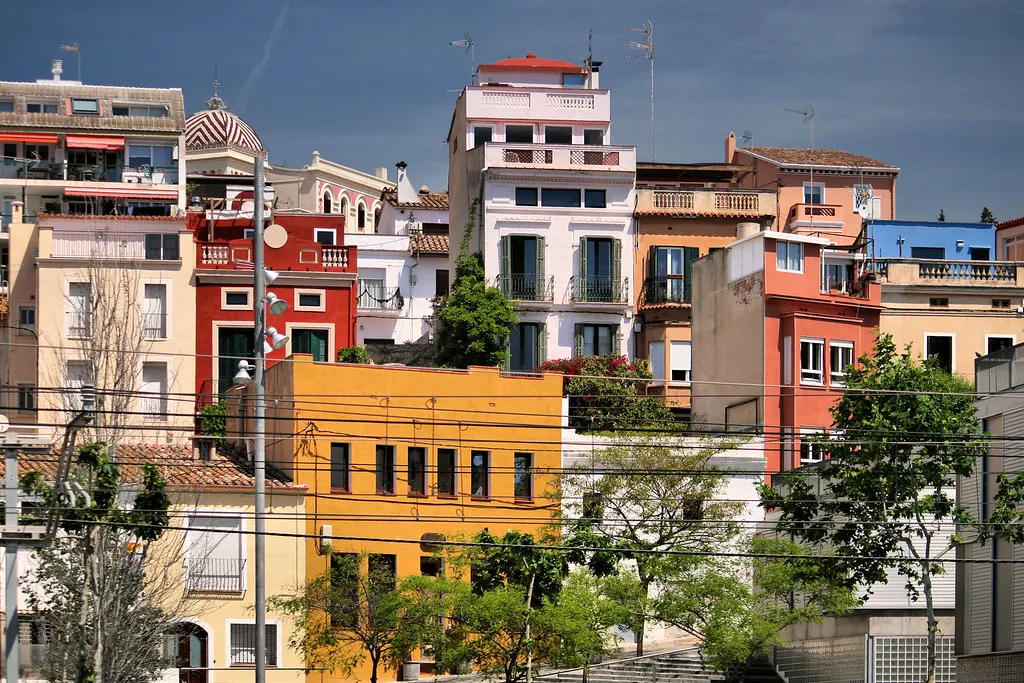
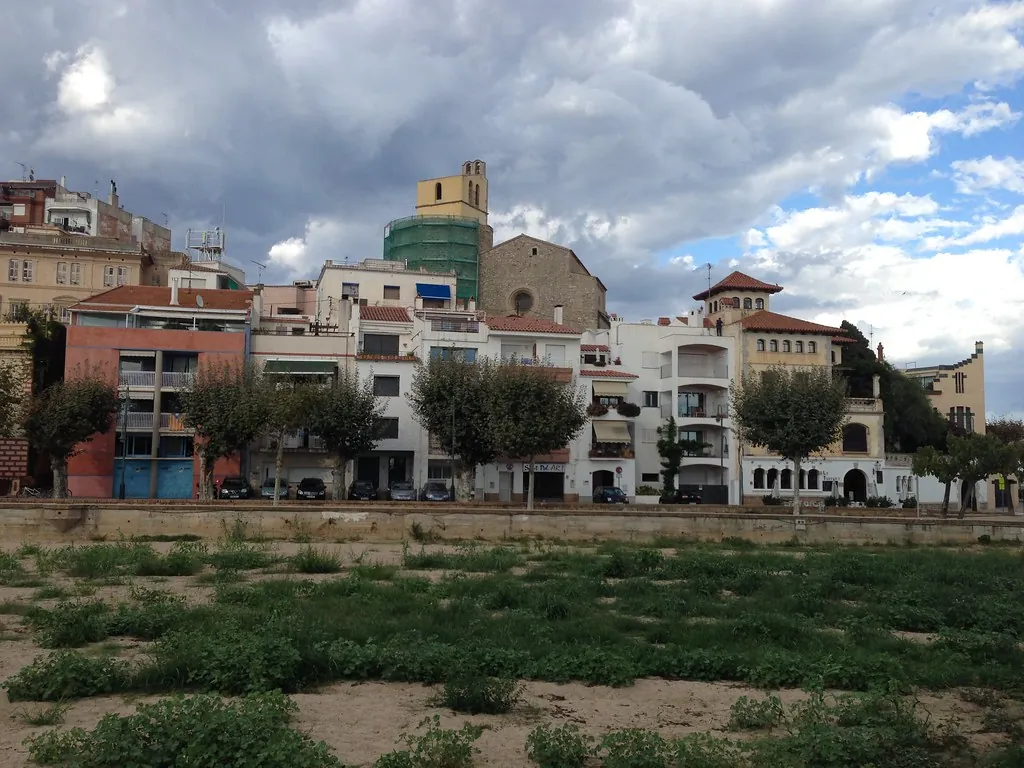
The old town unfolds across a hillside so gradually you barely notice the climb. Medieval alleys widen into small squares where grandmothers occupy benches like territorial birds. The church of Sant Julià squats at the centre, its Romanesque bones dressed in later architectural fashions. Eighteenth-century merchants' houses line Carrer Major, their stone balconies thick with geraniums that survive somehow despite the Catalan summer.
But it's the Museu del Càntir that stops visitors in their tracks. A museum devoted to water jugs sounds like punishment rather than pleasure, yet this collection spans five centuries and three continents. Moorish clay pots sit beside Art Nouveau pitchers decorated with dragon handles. There's a jug shaped like a smiling monk whose belly opens to reveal a smaller jug inside. Children love it. Adults emerge quoting facts about medieval water filtration they'd never imagined needing to know.
The museum's Tuesday pottery workshops book up fast, especially when English-speaking artisans are running sessions. You'll throw (and probably ruin) your own simple pot, then decorate a pre-made tile while staff explain why local clay from the surrounding hills made Argentona a ceramics centre. The €25 fee includes materials and the resigned smile of instructors who've seen every possible pottery disaster.
Wednesday transforms Plaça Nova into a proper Catalan market. Stallholders shout prices in rapid Catalan, but catch their eye and they'll switch to measured English. Maresme tomatoes—knobbly, fragrant, nothing like supermarket varieties—sit beside wild mushrooms foraged from nearby forests. Buy bread rubbed with tomato and draped with jamón for €3.50, then climb towards Burriac castle before the afternoon heat kicks in.
The castle walk starts gently enough, following the GR-92 footpath past vegetable gardens and weekend villas. After forty minutes the trail steepens, pine trees offering occasional shade. The ruined fortress crowns a 400-metre summit, rewarding sweaty walkers with views stretching from Barcelona's skyline to the jagged Montseny massif. Pack water—there's none available up top, and the ascent takes longer than Google Maps suggests.
Back in town, lunch options reflect Argentona's split personality as both working village and weekend escape. La Nova Fonda occupies a former farmhouse, its terrace shaded by ancient wisteria. The €28 menu del dia features cod so delicate it flakes apart at the mere suggestion of a fork, followed by cannelloni stuffed with lobster. Celler de l'Amistad offers simpler fare: grilled sausages, tomato bread thick enough to require actual chewing, and strawberries from Maresme fields served with rough local cheese.
Summer evenings belong to the locals. Youngsters kick footballs around Plaça de l'Església while their grandparents play cards under plane trees. Bars serve vermouth on tap, heavy on the botanicals, accompanied by potato chips that taste faintly of olive oil. Join them—tourist menus don't exist here, but staff will translate chalkboard specials with theatrical patience.
The town's altitude creates its own weather system. When Mataró swelters at 32°C, Argentona might be six degrees cooler. Morning mist rolls in from the coast during autumn, burning off by eleven to reveal sharp light perfect for photography. Winter brings proper cold—pack layers if visiting between December and February, when stone buildings hold chill like refrigerators.
Getting here without a car requires faith in Catalan public transport, but the system works. Trains from Barcelona's Plaça Catalunya run every twenty minutes; buy a T-Casual ticket for €11.35 covering ten journeys. The connecting bus from Mataró costs €1.55 exact change, or grab a taxi for €12 if you're carrying hiking gear. Drivers face narrow medieval streets and minimal parking—leave the hire car at the free lot near the sports centre and walk five minutes into town.
Accommodation remains limited, which keeps tour coaches away. Two small hotels and a handful of Airbnb rentals fill up during August's pottery fair, when the population triples and every balcony sprouts red-and-yellow Catalan flags. Book early, or base yourself in Mataró and visit Argentona as a day trip combined with beach time.
The real surprise lies in how normal everything feels. No souvenir shops sell fridge magnets. Restaurants don't employ touts. The woman serving your coffee might be the mayor's cousin, but she's also the local pharmacist and knows exactly who needs their prescription delivered later. Argentona functions as an actual town rather than a heritage display, and that's increasingly rare along this coast.
Stay too long and you might find yourself checking property prices in the estate agent's window, calculating whether you could manage the commute from here to Barcelona. Don't. Enjoy the medieval streets, the pottery museum, the market tomatoes. Drink the fizzy water. Then catch the evening bus back down to Mataró's beach bars, remembering that Catalonia still hides places where locals outnumber visitors—and for now, Argentona remains one of them.