Full Article
about Cabrera de Mar
Town with Iberian and Roman history set between mountain and sea
Hide article Read full article
Sea mist slips through the car window as you drive down the N‑II. It is August, mid‑morning, and the tarmac already gives off that warm coastal scent of high summer. Tourism in Cabrera de Mar begins almost like this, without announcement: a shift in the air just after the tunnel that separates it from Mataró. Suddenly there is the smell of pine, dry earth, and something faintly sweet that only makes sense when the vineyards appear beside the road. These are table grapes, pale and full, hanging from trellises next to old masías, the traditional Catalan country houses.
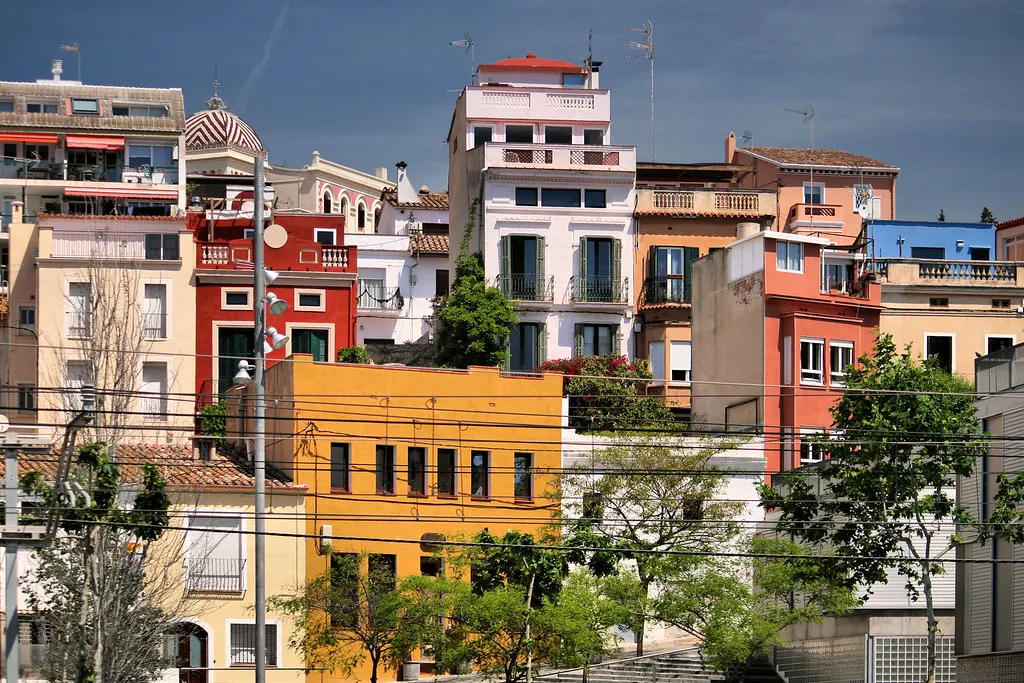
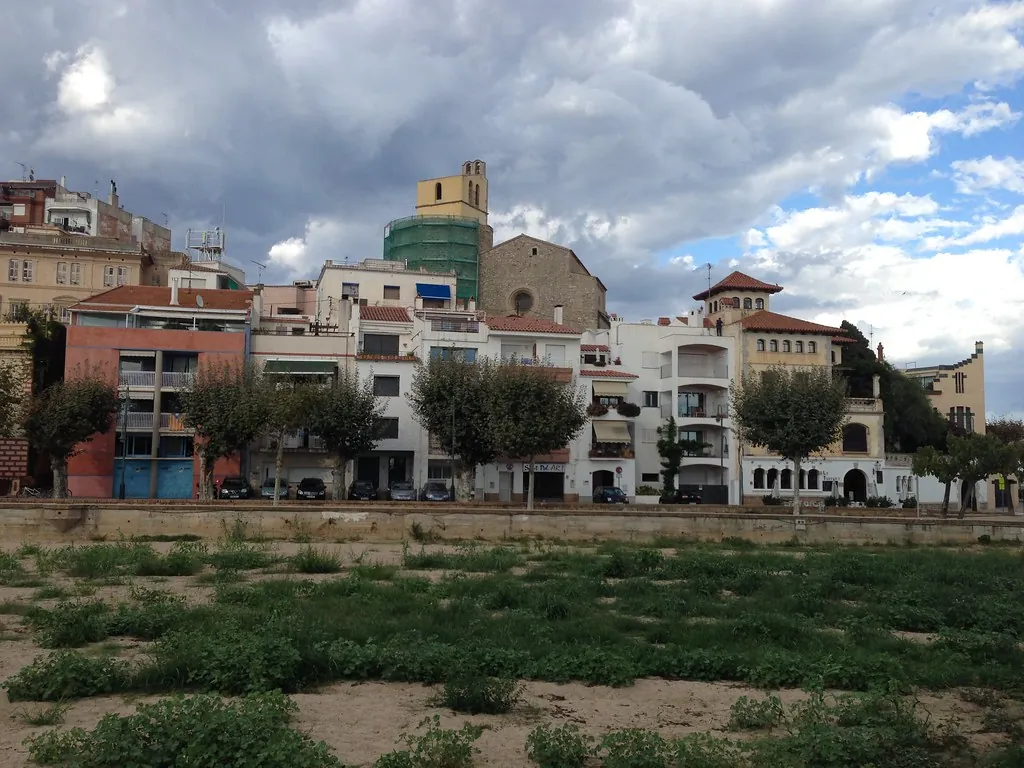
Cabrera de Mar sits in the Maresme region of Catalonia, between the sea and the low hills that rise behind it. At first glance it can seem like a quiet residential town by the Mediterranean. Look more closely and there is a hilltop castle, Roman remains under vegetable plots, and a beach that keeps its own rhythm.
The Castle at the Top of the Climb
The SL‑C 115 footpath begins behind the cemetery, between pine trees and a row of houses that are still quiet early in the day. The route is just over three kilometres of steady ascent. There are no major technical difficulties, but in summer it is wise to set off early, as the sun falls directly on several stretches of the track.
Halfway up, the sea starts to appear between the trees, a grey‑blue strip that shifts with the light. Then Castell de Burriac comes into view. It stands on the hill like a natural watchtower, its round keep and fragments of wall outlined against the sky. This medieval fortification once kept watch over the entire Maresme coast.
Inside, the ground is dry earth and loose stones. When the wind picks up there is the scent of rosemary and crushed pine underfoot. From the top, the reason for its position is clear: the whole valley opens out below. Vilassar lies to one side, Mataró to the other, and the motorway runs between fields and housing estates as a thin line across the landscape. On very clear days, locals say the outline of Barcelona can be made out along the coastline in the distance.
In the height of summer, the climb feels tougher at midday than it does on the map. Early morning or late afternoon makes it far more pleasant, especially from June to September, when there is little shade on certain sections.
Roman Remains Beneath the Market Gardens
On carrer de la Sagrera, a modest sign points to the Villa Romana de Can Brossa. There are no dramatic ruins rising from the ground. Around it stand low houses with gardens, rose bushes and small vegetable plots. Yet beneath this soil, Roman remains continue to appear from time to time.
This area formed part of the territory of Iluro, the Roman city that once stood where Mataró is today. Across the Cabrera valley there were agricultural villas, pottery workshops and small settlements linked to cultivation and trade. The landscape that now seems suburban once supported a network of rural production connected to the wider Roman world.
The town council has marked out a walking route with several signposted points, which can be completed on foot in a little over an hour. Expect simple information panels, stretches of wall and the occasional excavated structure rather than monumental remains. Opposite the masía of Can Dalmases, documented since the Middle Ages, an old olive tree casts shade over the path. The stone around the entrance still bears the carved relief of the Cabrera coat of arms: a dark goat on a light background, the same animal that appears on the municipality’s shield.
Some residents say that, when carrying out building work at home, they have uncovered fragments of pottery or shaped stones. Here, archaeology tends to surface when someone digs deeper than planned.
The Beach by the Tunnel
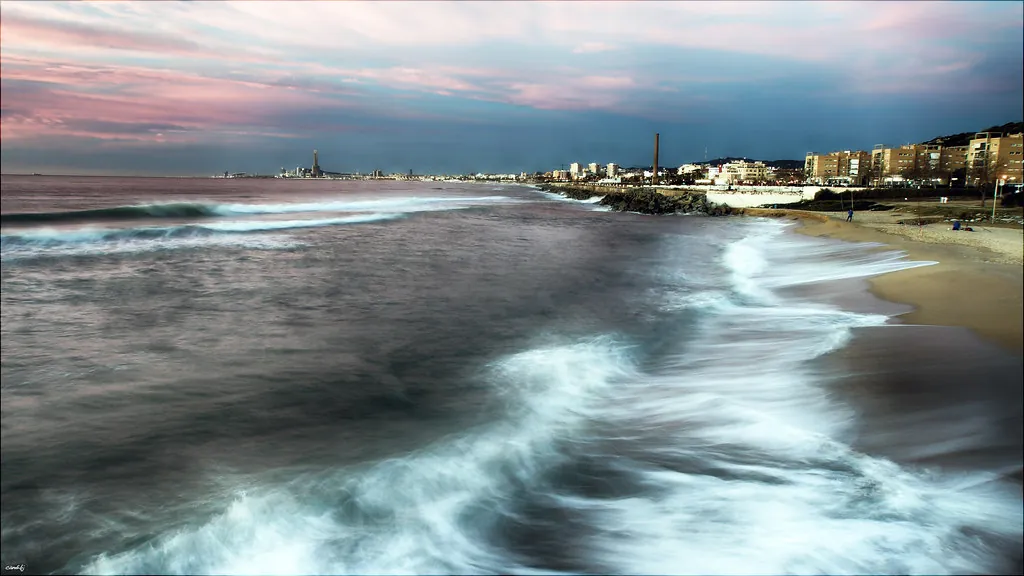
Cabrera de Mar’s beach lies just before the N‑II tunnel. It is an open stretch of sand between two breakwaters, with limited infrastructure and the railway running only a few metres behind it.
During the day it is usually calm. There are no long rows of sun loungers or loud music. The scene is more local: families from the town, people who come for a short swim and head home before nightfall. On days when the sea is still, the water is often clear and the seabed remains sandy for a good distance from the shore.
As mid‑afternoon passes, more people begin to arrive, particularly when the mountain’s shadow reaches the sand. Portable cool boxes appear, folding chairs are set up, dogs run close to the surf, and small groups stay until the light softens over the water.
In September the atmosphere shifts again. The sea still holds the warmth of summer, yet the beach becomes half empty on weekdays. The pace slows, and the stretch of sand regains its quieter feel.
The small beach car park can fill up quickly in summer, especially at weekends. On weekdays the rhythm returns to something more local, with residents walking along the sand or taking a brief evening dip.
Late Summer Grapes and Practical Notes
Beyond the coast and castle, the valley itself plays an important role in daily life. At the end of August and the beginning of September, it is grape season. Boxes sometimes appear at the entrances to certain properties, and small improvised stalls can be seen along the agricultural tracks. Ask about the grapes and people will often explain where each vineyard lies and how the harvest has turned out that year.
This is not a destination built around grand monuments or large attractions. The appeal lies in how close everything feels: sea, hillside and farmland within a short distance of each other. A morning can begin on a dusty path up to Castell de Burriac, continue among Roman traces near Can Brossa, and end with a swim beside the tunnel on the N‑II.
The main practical consideration is the heat. The ascent to the castle is far more comfortable outside the central hours of the day, particularly in the summer months. Shade is limited on parts of the route. By contrast, September offers warm water and a beach that is quieter during the week.
Cabrera de Mar reveals itself gradually. The change in air after the tunnel, the sight of grapes hanging beside the road, the outline of a round tower above the pines. It is a place where everyday life and long history occupy the same small valley, visible to anyone who takes the time to look.