Full Article
about Calella
Major beach resort with an iconic lighthouse and extensive hotel options
Hide article Read full article
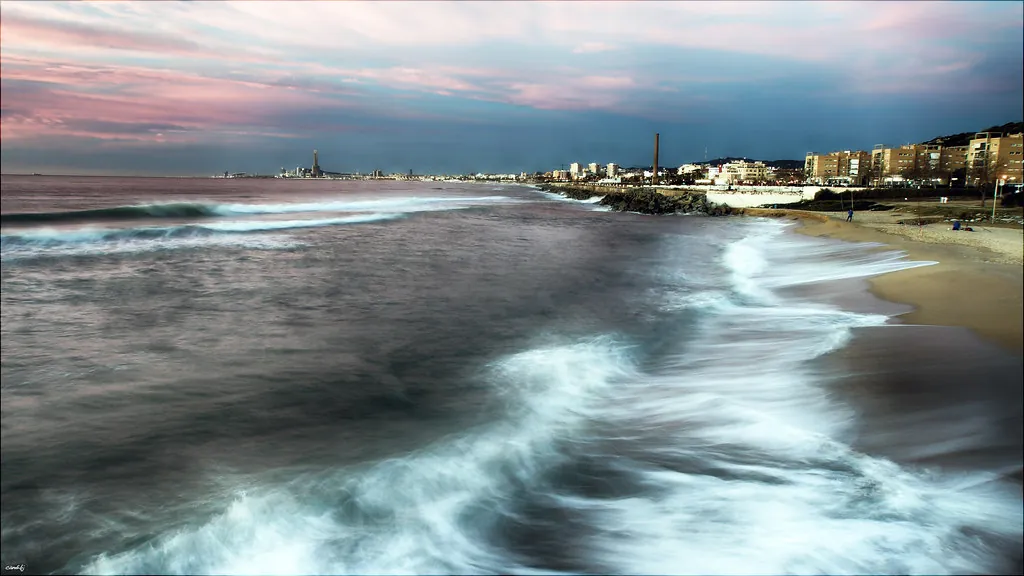
At six in the morning, the coarse sand of Garbí beach still holds the imprint of the tide. The first swimmers cross the waterline with the steady stride of people who can judge the temperature of the Mediterranean by the month. Up at the lighthouse, as its beam switches off after a night on duty, the town begins to stir: lights flick on in 1970s apartment blocks, shutters rise in the low houses of the centre, and the smell of warm bread drifts from a bakery on Carrer Sant Jaume.
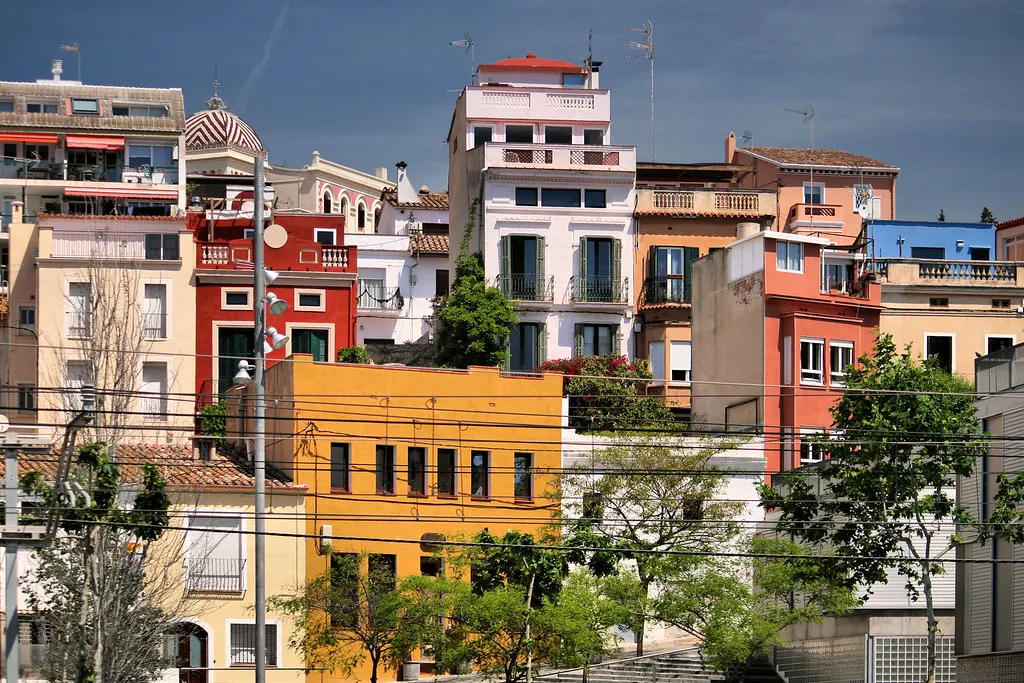
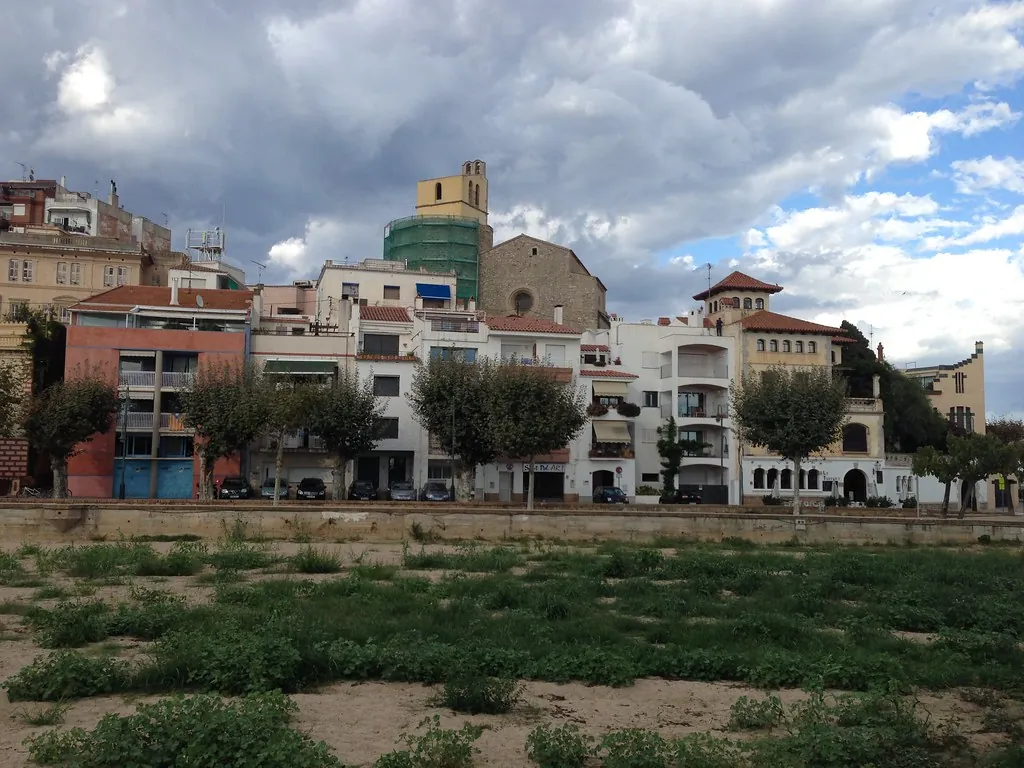
Tourism in Calella tends to gather along the seafront and the strip of beach. Yet the town makes more sense when walked slowly through its interior streets. It is worth leaving the car in one of the car parks or open plots around the centre and continuing on foot. In several streets you can still recognise the homes of former weavers, narrow façades and enlarged windows designed to let more light fall onto the looms. By mid-morning the brightness bounces off pale walls and everything takes on that faint bluish tone that some coastal days have when a sea breeze is blowing.
The Lighthouse Above the Maresme Coast
The lighthouse stands on the headland that separates the urban centre from the coves facing towards Sant Pol. Access is usually by guided visit, and inside a narrow metal staircase spirals upwards. As you climb, the smell of salt mingles with metal and the oil of the machinery.
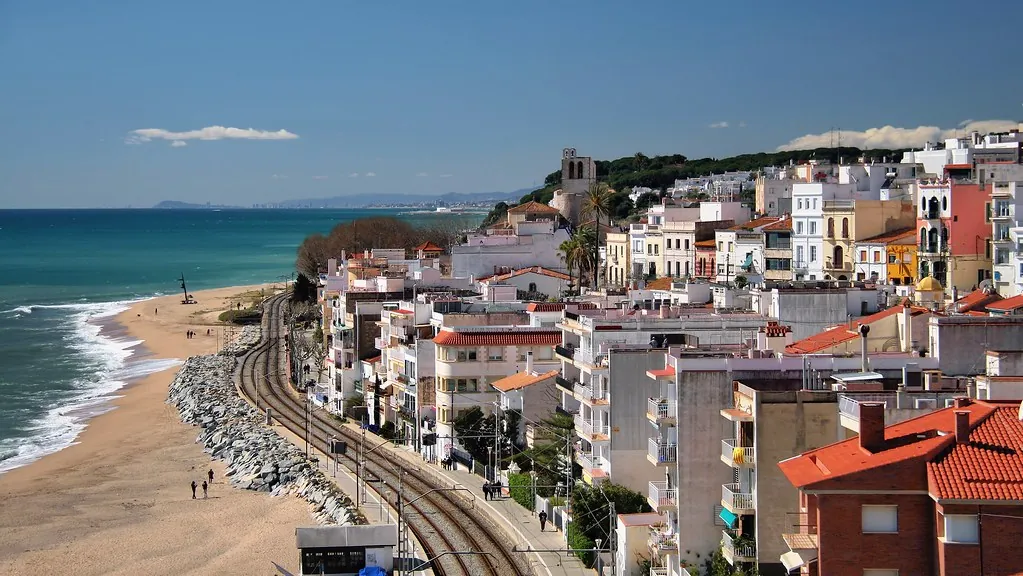
From the top, the Maresme coastline opens out in a long, fairly straight line: Calella’s coarse sandy beaches, the promenade running parallel to the railway tracks, and behind them the dark green of the Montnegre on a clear day. Before the current lighthouse, there was a watchtower here. Along this stretch of coast, warnings about corsairs were once common, and bonfires were lit to alert neighbouring towns.
If heading up, early morning or late afternoon are the best moments. At midday the sun falls directly onto the platform and there is hardly any shade.
Shelters That Still Hold the Echo of War
Beneath Plaça de l’Església there is an unassuming entrance leading to one of the air-raid shelters dug during the Spanish Civil War. The tunnel cuts into the rock, with uneven walls where the marks of tools remain visible. Along the sides are wooden benches and small recesses where lamps were placed.
During the bombings of 1938, much of the population sheltered here. Attacks on the Maresme coast formed part of air operations launched from Mallorca, something that also happened in other nearby towns. Today, all that can be heard inside is the drip of water filtering through the stone and the echo of footsteps. The space retains the enclosed feeling of a place designed for waiting.
Visits are usually accompanied, and it is advisable to take a layer even in summer. Underground, the temperature stays cool throughout the year.
Memories of Textile Calella
Before summer brought hotels and apartment blocks, Calella depended largely on textiles. In some kitchens in the centre, dishes associated with that period are still prepared: substantial salads with cod, anchovy and ñora sauce, or simple stews intended for those who spent long days in workshops.
The smell of warm romesco, with the slightly smoky background of toasted ñora peppers, often appears on winter menus. Ñora is a small dried pepper common in Catalan cooking, and its flavour defines many local sauces. This is not a cuisine designed for display, but for eating with bread and without hurry. In conversations with older residents, the image of a Calella that smelled of damp wool and dyes still surfaces, long before sun cream dominated the air along the promenade in August.
Walking through the centre, the architecture hints at that industrial past. Those widened windows were not decorative. They were practical solutions for bringing daylight onto looms in an era when electricity was limited. The town’s rhythm would have been set by workshop hours rather than beach towels and summer bookings.
When the Pace Slows
October changes the atmosphere noticeably. With fewer summer visitors, the promenade returns to those who live here all year: people walking their dogs at dusk, cyclists heading up towards the Montnegre, long conversations unfolding on benches in the square.
Seasonal fairs and markets often appear at this time, featuring products from the nearby hills, honey, cheeses and cured meats, alongside craft stalls. They do not always fall on the same dates, so it is worth checking the municipal programme if hoping to coincide with one.
The calmest scene arrives on Sunday afternoon. The train towards Barcelona fills up and the promenade is left almost empty. The shadows of palm trees stretch across the paving and the sea becomes clearly audible again, without the constant background noise of August. Calella settles into a slower rhythm, the kind marked by conversations from balconies and the breeze rising from the water as the light fades.
In these quieter moments, the town feels closer to its everyday self. The coarse sand remains, the railway still traces the edge of the shore, and the Montnegre continues to darken the horizon when the sky is clear. The lighthouse waits for night to fall and the cycle to begin again.