Full Article
about Canet de Mar
Coastal town with an exceptional modernist heritage left by Lluís Domènech i Montaner
Hide article Read full article
The view before you arrive
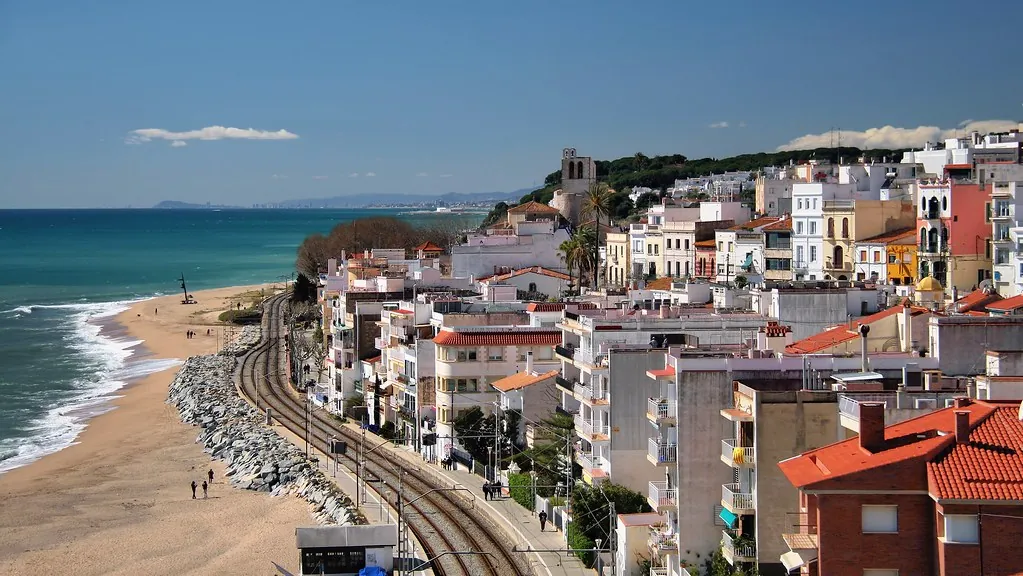
Travelling to Canet de Mar by train comes with a small, satisfying trick, like being shown a great photo of a place just before you get there. The moment arrives after Mataró. The Mediterranean appears all at once, as if a blind has been pulled up too quickly. Sit on the right-hand side by the window and, for a couple of minutes, everything feels like a moving postcard. The sea runs right alongside the tracks, small boats line up like parked scooters, and Canet de Mar looks on from the hillside. That is the trailer. The rest comes after.
A town that feels lived in
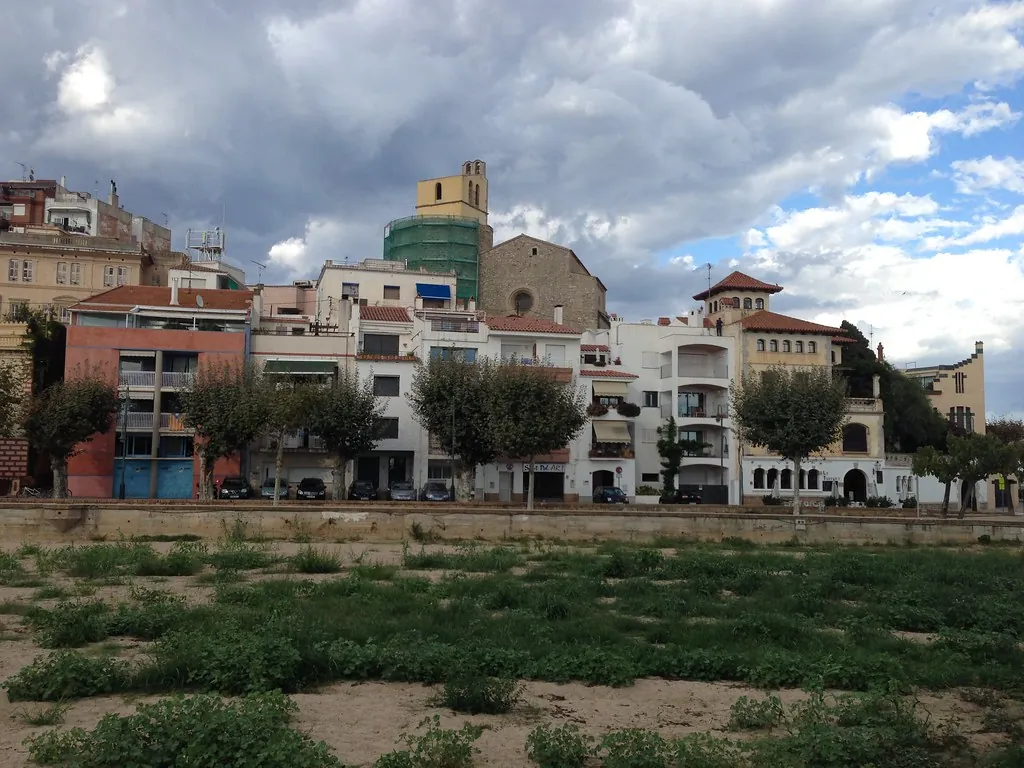
Canet de Mar works a bit like a quiet neighbourhood within a city. It is compact, easy to get around, and familiar faces tend to reappear. Just over fifteen thousand people live here. That is enough for life throughout the year, but not so many that it loses its sense of place.
The contrast is part of the appeal. Step off a commuter train, the same one used daily by people heading into Barcelona, and within minutes you are on a rambla with stone benches and retirees chatting as if time is optional. It feels like switching channels without touching the remote.
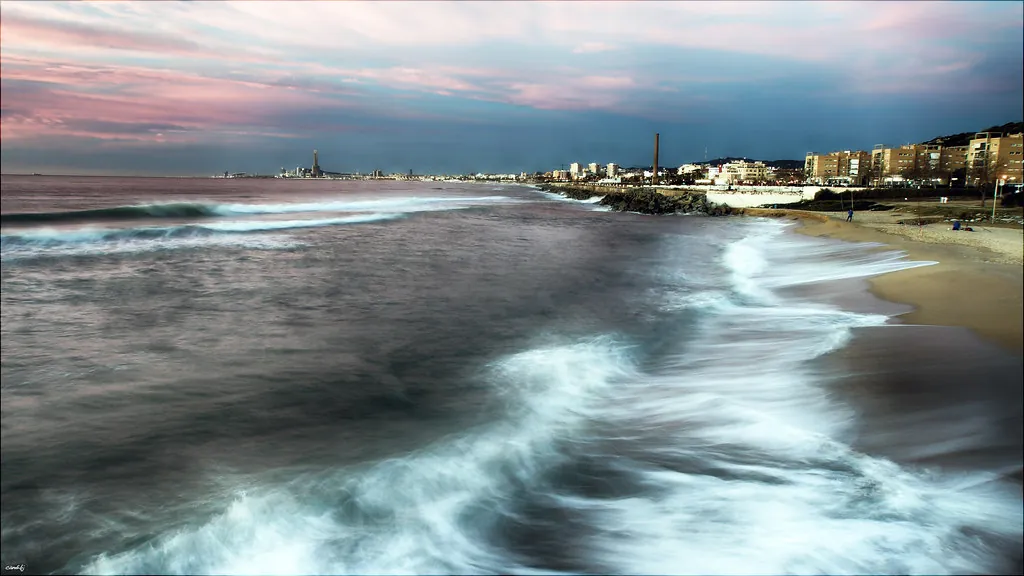
The beach is close at hand. A stretch of sand that runs for more than two kilometres, open and straightforward. It is not a hidden cove and does not try to be. It is the sort of beach where you arrive with a towel, take a swim, dry off, and repeat. In spring, another detail stands out. The Maresme area is still known for strawberries. When the season comes, stalls appear along the rambla. The scene has something of an improvised market. Buy a box, sit on a bench, and it becomes clear they taste more like fruit than sugar, a bit like trying garden-grown tomatoes after months of supermarket ones.
The castle you may already recognise
Castillo de Santa Florentina has become well known for appearing in a popular television series. On arrival, the feeling is more everyday than what appears on screen. There are queues, people taking photos, and families trying to get everyone looking at the camera at once. It has the atmosphere of a large wedding entrance, just with stone walls.
Its origins go back to medieval times, though what draws attention today is the early twentieth-century refurbishment. Domènech i Montaner added stained glass, wrought iron, and modernista details with the same ease as someone redecorating an old house without worrying about mixing styles.
Getting there involves a small effort. The route climbs for about two kilometres. It is not extreme, though it is more than a gentle stroll. Think of the kind of walk taken after parking a bit too far away in summer and deciding it is close enough. At the top, the effort makes sense. There is a wide courtyard, stone everywhere, and glimpses of the sea appearing between columns.
Modernisme at street level
Canet de Mar has its own modernista route. The name might suggest something long or structured, though in reality it unfolds almost without noticing. It feels more like looking up while walking through the centre.
Casa Roura stands out with colours and shapes that bring to mind an over-decorated cake. The Ateneu Canetenc carries the air of a building that has seen many uses, from library to meeting place and courses. Inside, there is the smell of old paper and a well-used space, often a good sign.
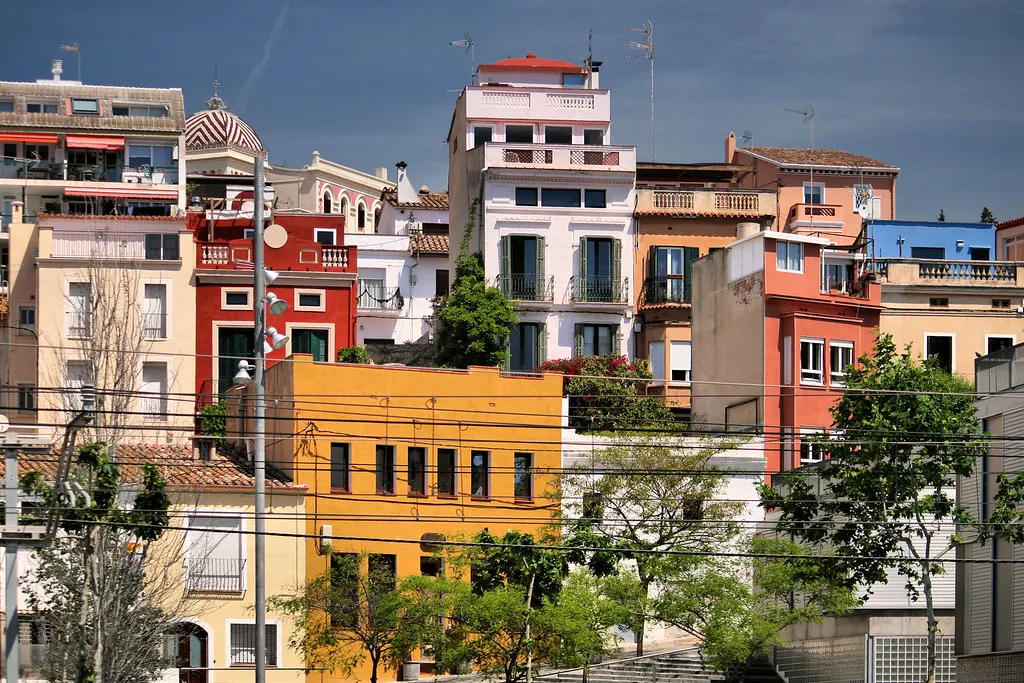
What makes it work is that modernisme here is not locked behind glass. It shows up in balconies, in ceramic details, in railings that look like they have been shaped from guitar strings. A walk through the streets becomes a quiet exercise in noticing, spotting details that might otherwise be missed.
Eating without overthinking it
Food in Canet tends to stay in a simple, reliable lane. Chalkboards with familiar dishes, fried food prepared on the spot, and portions designed to share without much ceremony.
Calamars a la romana appear frequently. When done well, they come out round and golden, like coins. In season, cargols a la llauna are also common. Their smell carries across the street, full of garlic and wood fire, much like when someone lights a barbecue and the whole neighbourhood becomes aware of it.
For dessert, something called vitralls sometimes appears. These are colourful biscuits that resemble stained glass. On the table, they look like small pieces of a church window, only in snack form.
How long to spend
Canet de Mar suits a long half-day visit. It has the feel of going to see a relative who lives near the sea. There is time to chat, eat, take a walk, and before evening arrives, the idea of coming back another day is already there.
A plan that tends to work is to arrive before lunch, head up to the castle while the temperature is still manageable, then come back down towards the beach and spend a while by the water. After that, something to eat and a walk through the centre, paying attention to the buildings.
As evening falls and the lamps along the rambla come on, the town settles into a very calm rhythm. Not much happens, and it does not need to. It feels like those Saturdays when nothing in particular has been done, yet the day still seems complete.