

Full Article
about El Masnou
Seaside town with a marina and nautical tradition just outside Barcelona
Hide article Read full article
The Friend Who Lives by the Sea
Tourism in El Masnou brings to mind that friend who lives near the beach and somehow ends up organising everyone’s summer plans. It is not the flashiest member of the group, but before long you realise you are heading there most weekends. Around 20 minutes by train from Barcelona, this town in the Maresme has a clear double life. During the week many residents commute into the city for work. When warm weather arrives, much of the metropolitan area heads here in search of sea and a bit of breathing space.
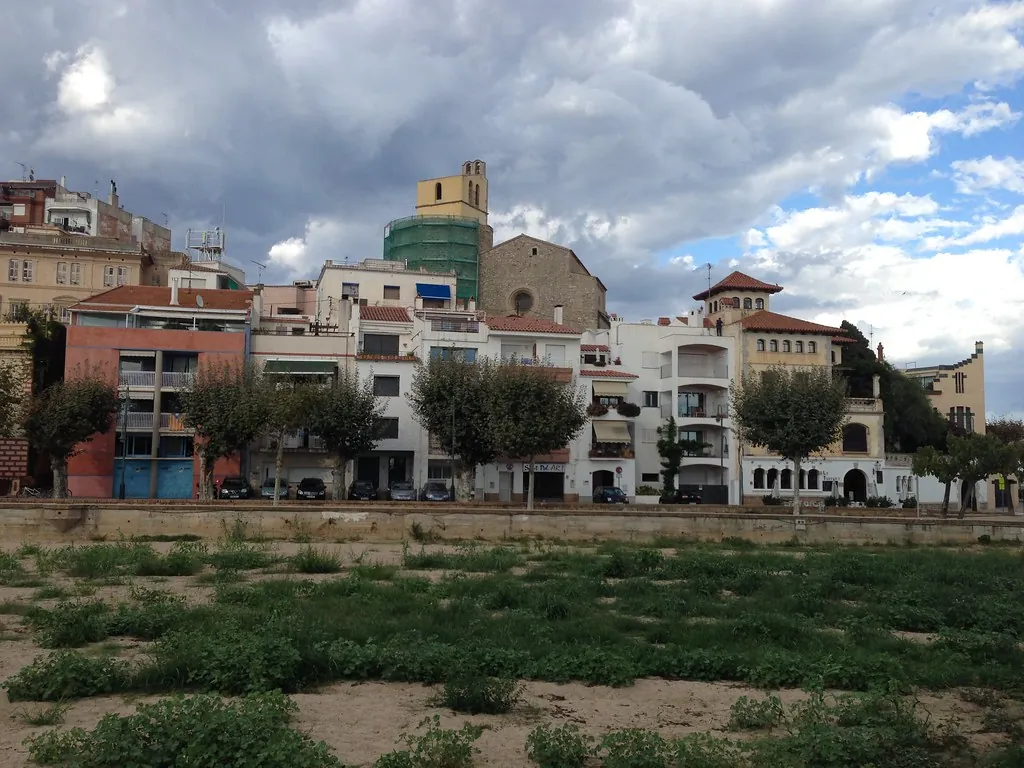
At first glance, El Masnou does not try to impress. Step off the train and you are met with fairly ordinary apartment blocks, much like those in many towns pressed up against Barcelona. It can feel as though you have arrived at the wrong stop.
The trick is simple: walk five minutes towards the sea.
The Real El Masnou
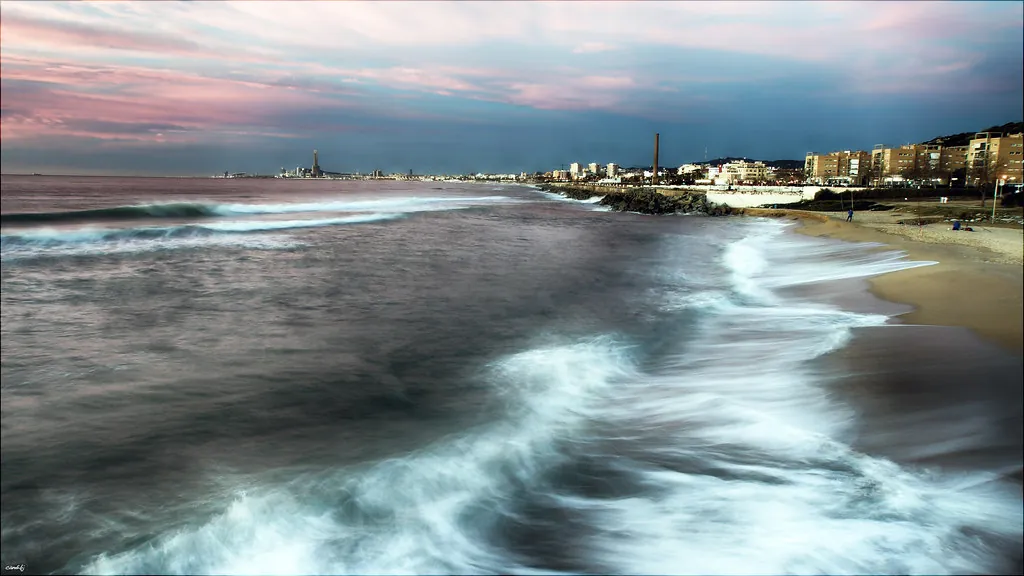
The atmosphere shifts as you approach the water. Older streets appear, along with Ocata beach, a long stretch of pale sand that feels far removed from the city’s busier shores. In front lies a Mediterranean that is noticeably calmer than Barcelona’s. Behind you, the railway line and residential buildings remain in view. The contrast is part of the town’s character.
The marina completes the picture, filled with masts that sway throughout the day. It is a working part of local life rather than a decorative backdrop, and it reinforces the sense that the sea is central here.
El Masnou also has a curious link to anís, an aniseed-flavoured spirit popular in Spain. In the 19th century a well-known anís began to be produced in the town and the drink became tied to local identity. Even today El Masnou is associated with it, although many visitors discover that connection almost by chance.
Sea on the Table, Wine in the Hills
Local cooking remains closely tied to the coast. Bacalao served as esqueixada, a Catalan salad of shredded salt cod, appears regularly. Sardines are eaten when in season. Rice dishes tend to taste of the shore rather than the inland fields. The food is not elaborate. These are plates that have been repeated on family tables for decades.
Wine also plays a role. El Masnou sits practically at the gates of the Alella wine region, one of the smallest denominaciones de origen in Catalonia. During the grape harvest there are usually wine-related activities across the comarca, and the culture of moscatel is still very much present.
Near the marina, there is a useful rule of thumb. Look for the tables where everyone seems to know each other. When families are gathered, groups greet one another across the room and waiting staff call people by name, it tends to be a good sign. El Masnou works best when it feels lived in rather than staged.
Unexpected Architecture and a Hilltop Cemetery
A walk through the centre reveals another side that many do not expect. El Masnou experienced significant commercial activity linked to the sea and to industry in the late 19th and early 20th centuries. The result is a scattering of striking buildings along several streets.
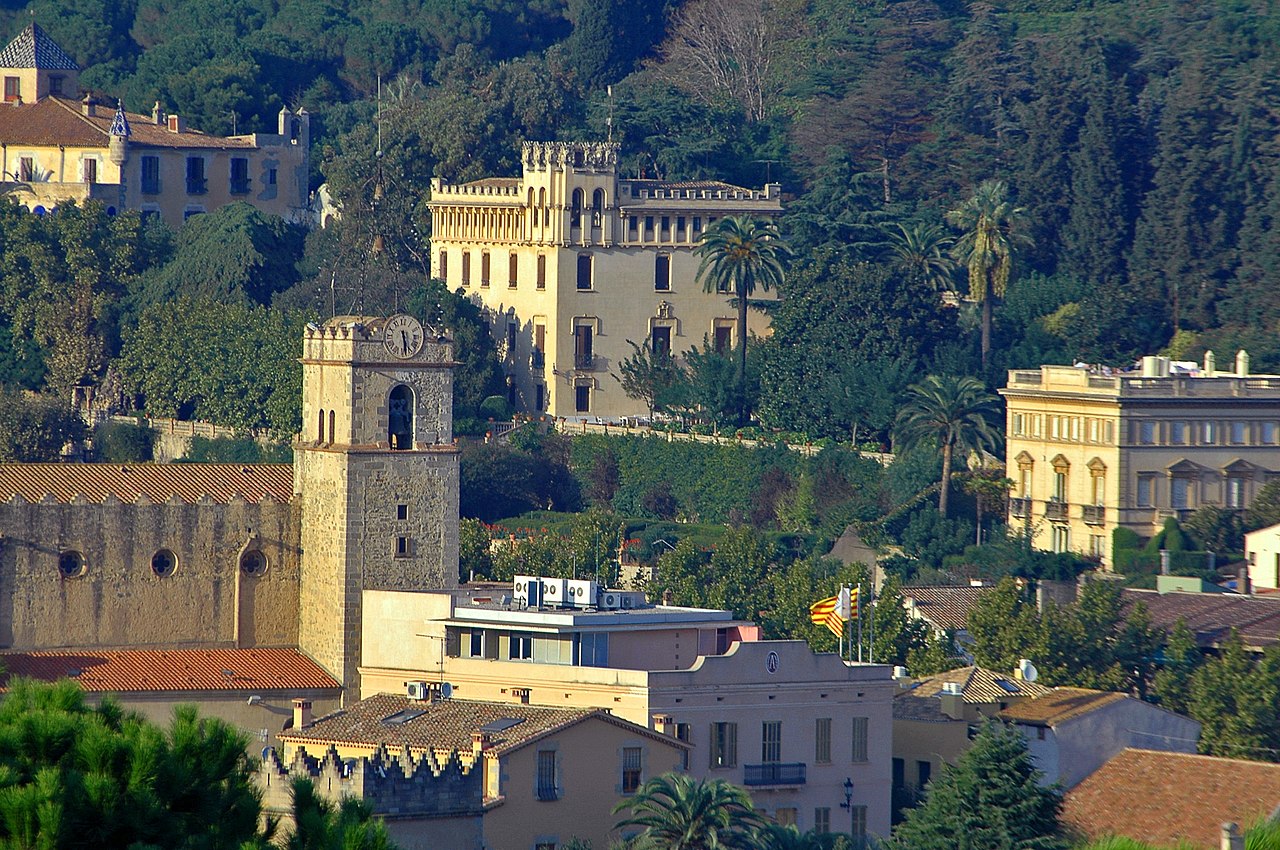
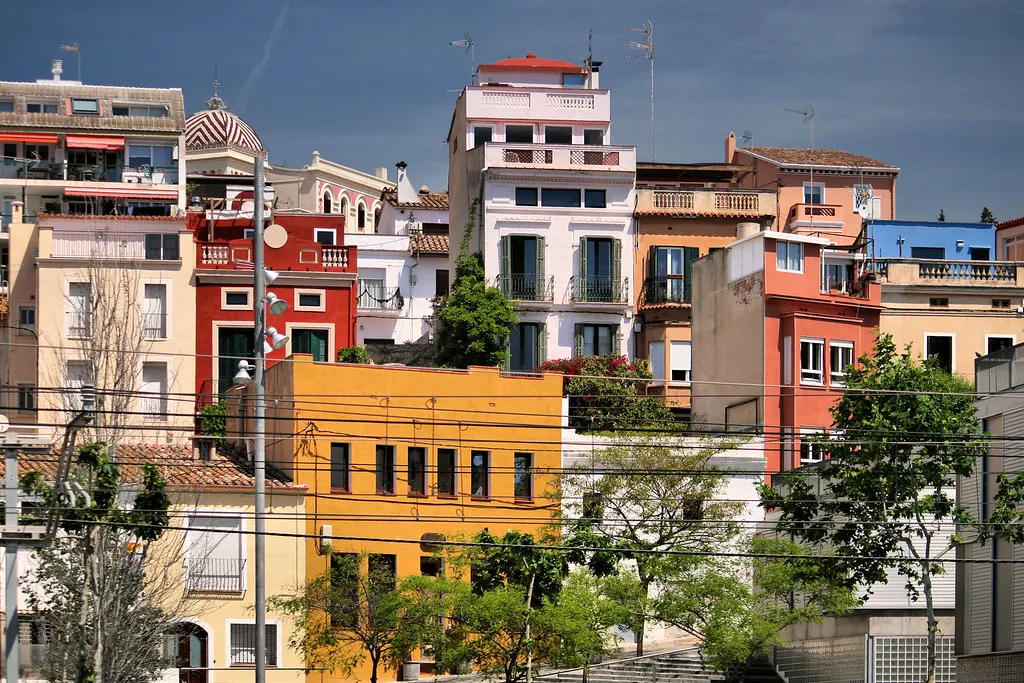
There are former mansions built by prosperous families, old factories that have since been converted, and Modernista façades that appear without warning. It is not a monumental route that features prominently in guidebooks. Still, wander without hurry and details begin to emerge: decorative balconies, oversized doorways, inner courtyards glimpsed from the street.
The old cemetery stands in a slightly elevated area. Built in the 19th century, it contains elaborate family pantheons. Walking through it has the curious feel of an open-air museum. Each tomb seems intent on signalling who held influence here a century ago. It is a reminder that El Masnou’s story has layers beyond beach days and weekend visitors.
There are also stairways that link the lower part of town with the higher streets. For years they were among the usual routes between the coastline and the interior. They are not especially long, yet they make clear how steep this stretch of the Maresme can be.
Real Life Versus Postcard Expectations
The less romantic side of El Masnou is easy to spot. It is not an untouched fishing village. There is plenty of traffic, numerous housing blocks and that familiar sense of a municipality attached to a large city.
Yet it is precisely this ordinary rhythm that gives the place substance. Early in the morning, people train in the sea. Retirees play pétanque near the station. Families stroll along the seafront promenade as the sun drops. These scenes are not arranged for visitors, and that is the point.
Is it worth coming? That depends on what you are looking for. Anyone hoping for a perfectly preserved Mediterranean postcard may be disappointed. Those who want a broad beach for a swim without the chaos of Barcelona, a good meal and a glimpse of how a coastal town actually functions a few kilometres from the capital will find plenty to justify the trip.
A simple plan works well: train from Barcelona, breakfast in a central bakery with pa amb tomàquet, bread rubbed with tomato and topped with something savoury, then a walk down to Ocata for a quick dip. Afterwards, a stroll around the marina. There is also a small local museum dedicated to the town’s maritime tradition, which helps explain why the sea here is more than a view.
El Masnou is unlikely to compete with the most famous destinations on the Catalan coast. What it does offer is something increasingly rare so close to Barcelona: normal life unfolding by the water. Sometimes that counts for more than any carefully framed image.