Full Article
about Palafolls
Agricultural and residential municipality with a ruined castle and modern architecture
Ocultar artículo Leer artículo completo
The Wednesday morning market spills across Plaça de l'Església with the efficiency of a military operation. By 9am, local women have already claimed the best tomatoes. By noon, the stalls are folding away, leaving only the scent of fresh herbs and the occasional plastic sandal abandoned on the cobbles. This is Palafolls in action – not a destination that announces itself, but a place that gets on with living.
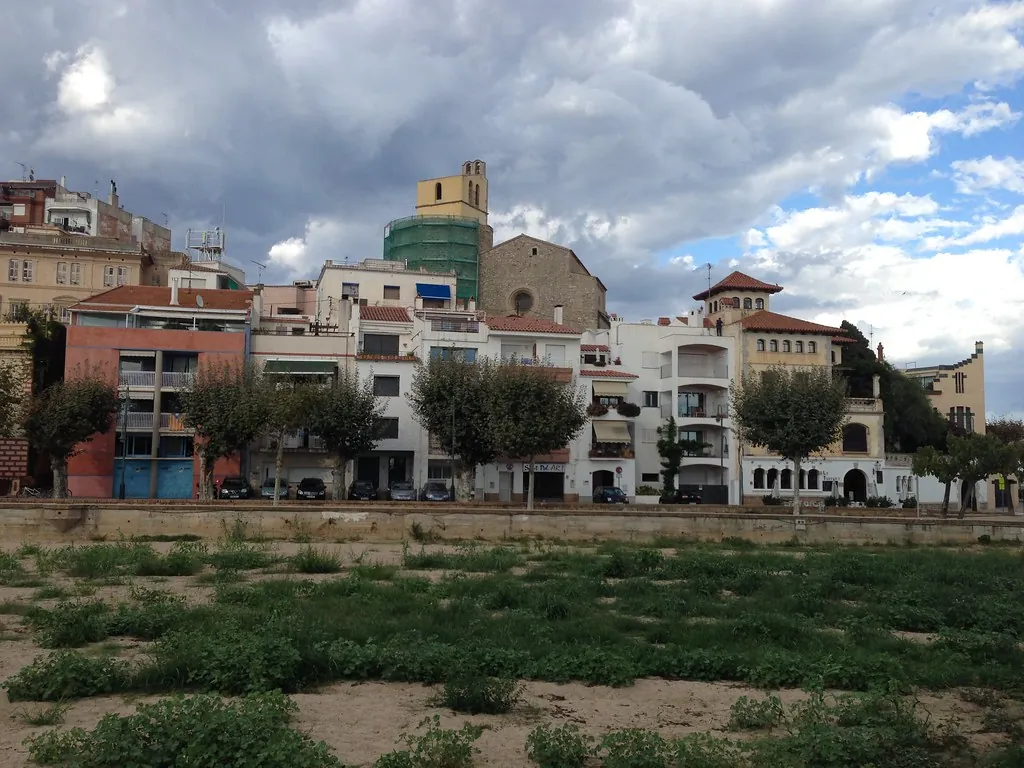
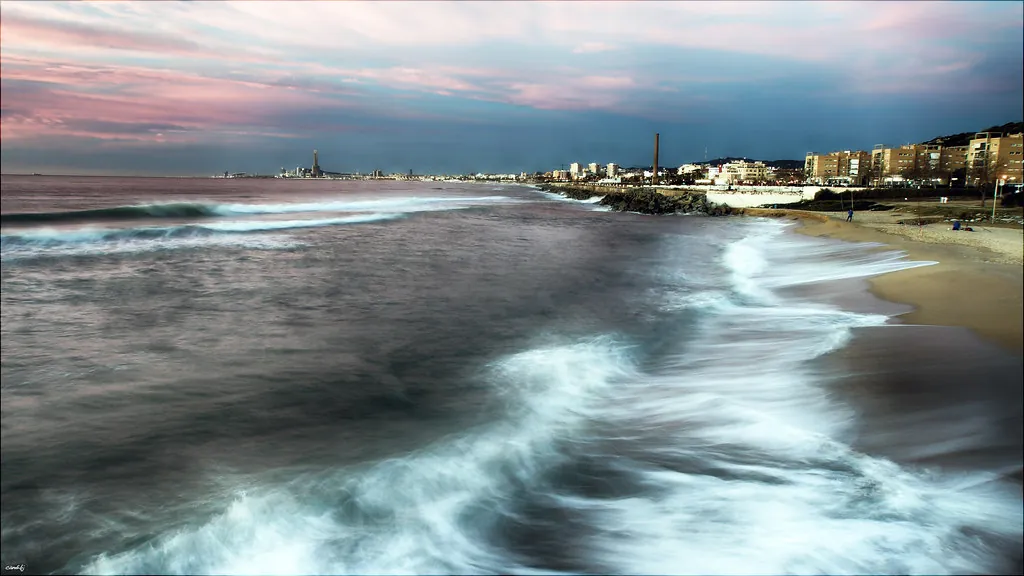
Sixteen metres above sea level and five kilometres inland, Palafolls sits in that ambiguous space where the Costa Brava's tourist machine meets the agricultural reality of Catalonia's interior. It's close enough to smell the sea on humid days, yet far enough that you won't glimpse a single beach umbrella from its streets. The 9,000 residents include families who've farmed these plains for generations and Barcelona commuters who traded city rents for garden space and reasonable mortgages.
The Castle That Isn't
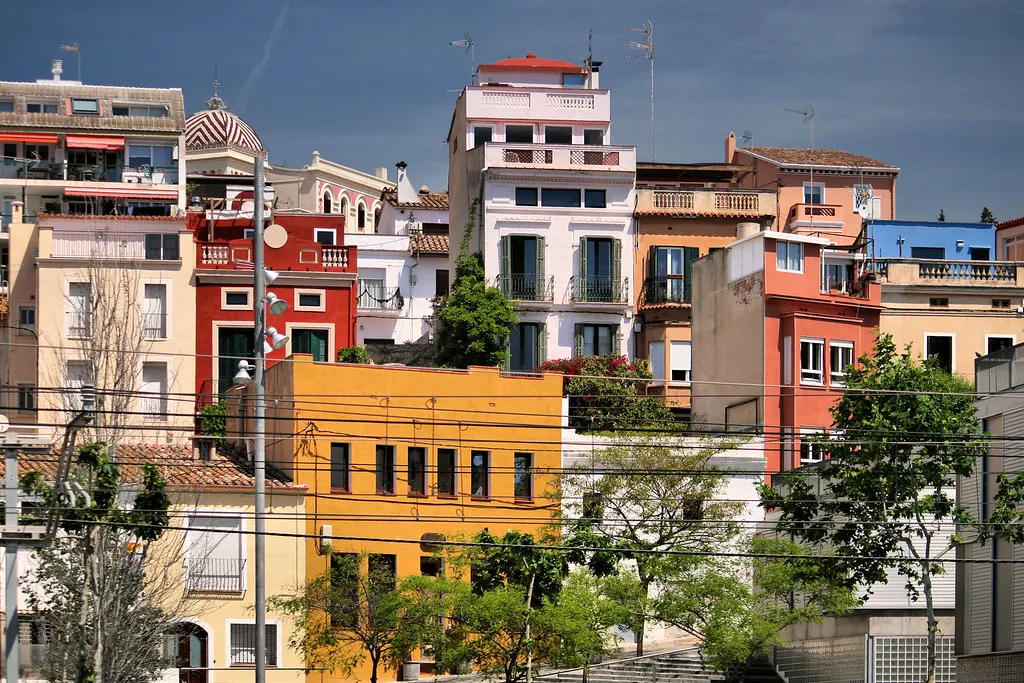
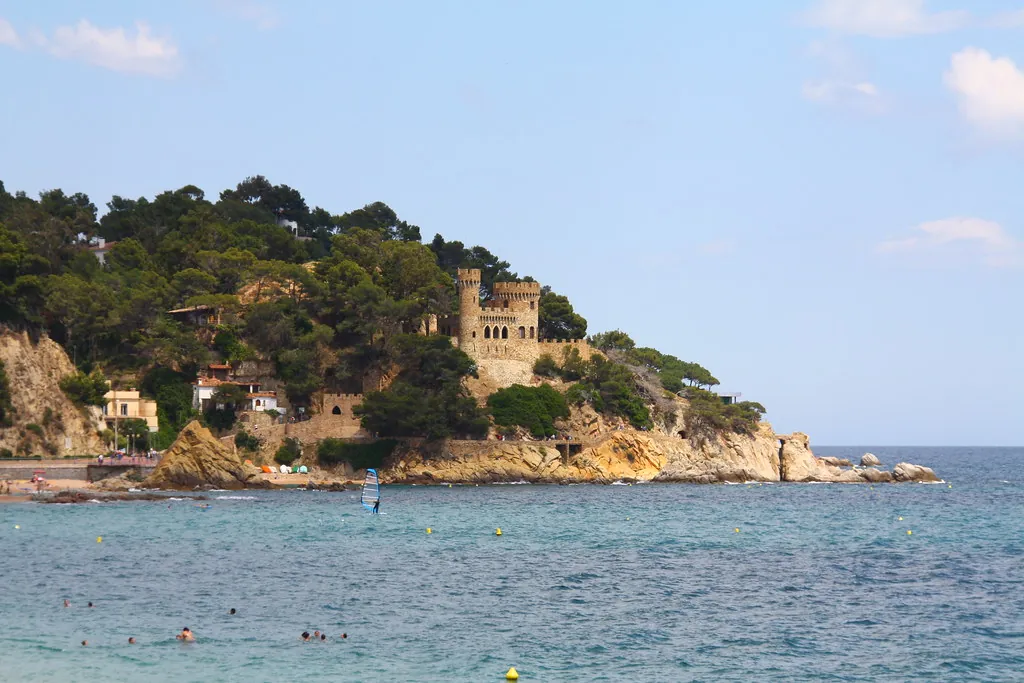
Castell de Palafolls crowns a low hill at the village edge, though calling it a castle requires some imagination. What remains are fragments of medieval walls and a stone footprint that hints at former grandeur. The fifteen-minute walk up the gravel path delivers something better than ruins: perspective. From here, the pattern of Palafolls makes sense – the original core clustered around the church, the newer developments spreading toward the main road like ripples on a pond.
The castle's strategic position becomes obvious when you learn that this was once the administrative centre for lands stretching to the coast. These days, the only invaders are the occasional German cyclist who've taken a wrong turn from the coastal path. Bring water. There's no kiosk, no gift shop, just the wind and views that stretch from the Montnegre massif to the Mediterranean glittering on clear days.
Lunch at Spanish Time
Food in Palafolls follows the rhythms of the farming calendar rather than tourist appetites. Can Manel serves grilled chicken and chips to locals who've been up since dawn, their work boots parked by the door. The English menu isn't an affectation – it's recognition that British families staying in nearby holiday parks have discovered this is where you eat well for under fifteen euros.
Cal Sisco offers the proper menú del día experience: three courses, bread, wine and coffee for fourteen euros. The grilled salmon arrives simply prepared, the beef stew tastes of long cooking and patience. These aren't destination restaurants. They're feeding stations for people who work hard and expect value, which explains why they're full at 3pm when most British stomachs are rumbling for dinner.
The real action happens in private kitchens where grandmothers preserve the annual tomato harvest and prepare escudella for Sunday family gatherings. You won't taste this cooking in restaurants, but you'll smell it drifting through open windows during evening walks – garlic, sofrito, something meaty and comforting that makes you remember your own grandmother, even if she came from Coventry rather than Catalonia.
Between Two Worlds
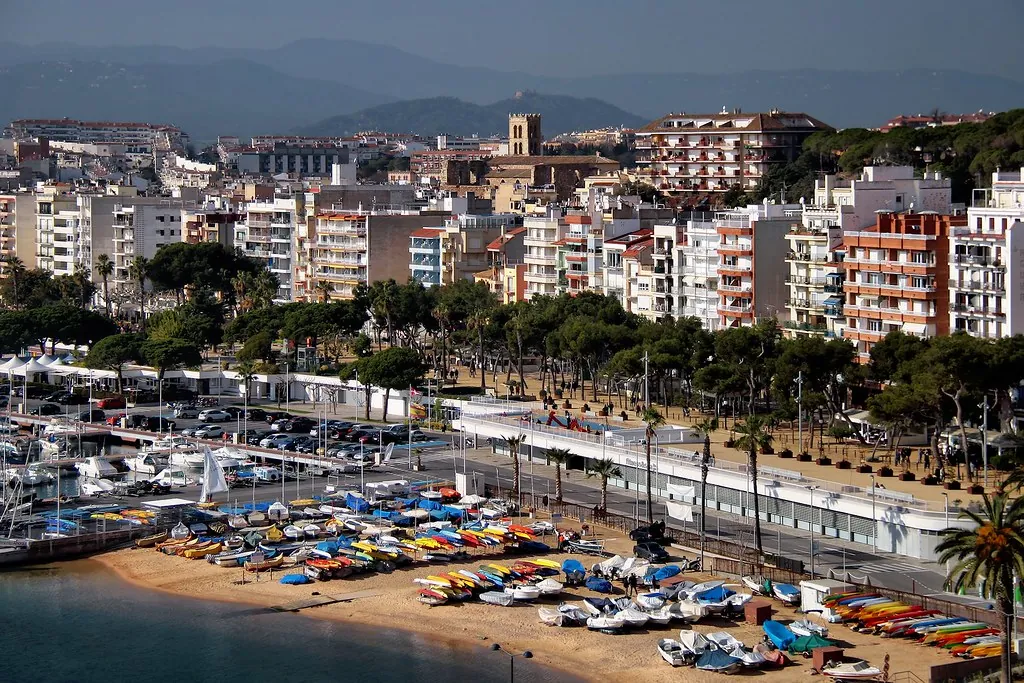
Palafolls excels at being neither one thing nor another. It's not a beach resort, though Malgrat's sandy stretches are eight minutes by car. It's not a mountain village, though the Montnegre's hiking trails start where the allotments end. This in-between status creates possibilities rather than limitations.
The Wednesday market demonstrates this perfectly. Alongside cheap underwear and phone cases, you'll find Maresme strawberries that never see a supermarket shelf, their flavour so intense they seem a different species entirely. Local honey appears in reused jars with handwritten labels. The cheese stall offers samples without ceremony – try it or don't, the vendor seems indifferent, he's here to sell to people who already know good cheese when they taste it.
For walkers, the village provides access to the Montnegre Natural Park's gentler southern slopes. Paths wind through cork oak and pine, past abandoned farmhouses slowly surrendering to vegetation. Spring brings wild asparagus and the sound of nightingales. Autumn offers mushrooms and the sharp scent of decaying leaves. Summer walking requires early starts and plenty of water – by 11am the heat becomes punishing, and there's no café awaiting at trail's end.
The Practical Reality
Getting here requires planning. There's no train station – Blanes, seven kilometres away, provides the nearest rail link. The Sarfa bus service runs just five times daily from Blanes, a schedule that seems designed to frustrate rather than facilitate. Taxis cost twelve euros, money well spent if you're arriving after 7pm when the last bus has departed.
Driving makes more sense, though parking brings its own education. Blue zone restrictions operate 9am-2pm and 4pm-8pm, free on Saturday afternoons and Sundays. The free parking on Carrer Pompeu Fabra by the river works perfectly unless heavy rain has swollen the stream, in which case your car might achieve an unplanned relocation.
Everything shuts between 2pm and 5pm. Not just shops – everything. This isn't tourist information, it's survival advice. Arrive at 2:15pm expecting lunch and you'll find locked doors and darkened windows. Plan supermarket runs for morning or evening, embrace the rhythm rather than fighting it.
When the Festival Starts
Late August transforms the village during Sant Genís festivities. The plaza fills with neighbours who've known each other since childhood. Correfocs – devil runs with fireworks – light up narrow streets while participants in thick clothing dance beneath cascading sparks. It's spectacular, slightly dangerous, and entirely authentic. British visitors often watch open-mouthed from doorways, amazed that insurance companies allow such celebrations to continue.
The January Sant Antoni festival brings another tradition: animal blessing in the church square. Dogs, cats, rabbits and the occasional bewildered goat receive sprinklings of holy water while their owners socialise. It's community in action, religion as social glue rather than doctrine, tradition that makes sense when you realise these relationships – between neighbours, between people and land, between past and present – are what hold places like Palafolls together.
Palafolls won't change your life. It doesn't offer Instagram moments or bucket-list experiences. What it provides is something increasingly rare: the chance to observe ordinary Catalan life continuing despite tourism, despite modernity, despite everything. Come for the strategic location, stay for the education in how most people actually live along this coast when the tour buses depart.