Full Article
about Premià de Dalt
Residential municipality on the mountainside overlooking the sea
Hide article Read full article
A Hillside Town That Keeps Its Own Story
Anyone looking into tourism in Premià de Dalt should start with the basics. Parking is not always straightforward and the centre can be covered quickly on foot. This is a town of just over ten thousand residents on the slopes of the Serralada Litoral, the coastal mountain range that runs parallel to the Mediterranean. Many people live here and commute down to Barcelona or to the coastal towns for work.
On Monday mornings there is usually a market. Half fruit and vegetables, half inexpensive clothing. Nothing unusual. What stands out, though, is the number of small museums for a municipality of this size. It feels as if the town has been quietly collecting pieces of its past to explain itself to anyone willing to look.
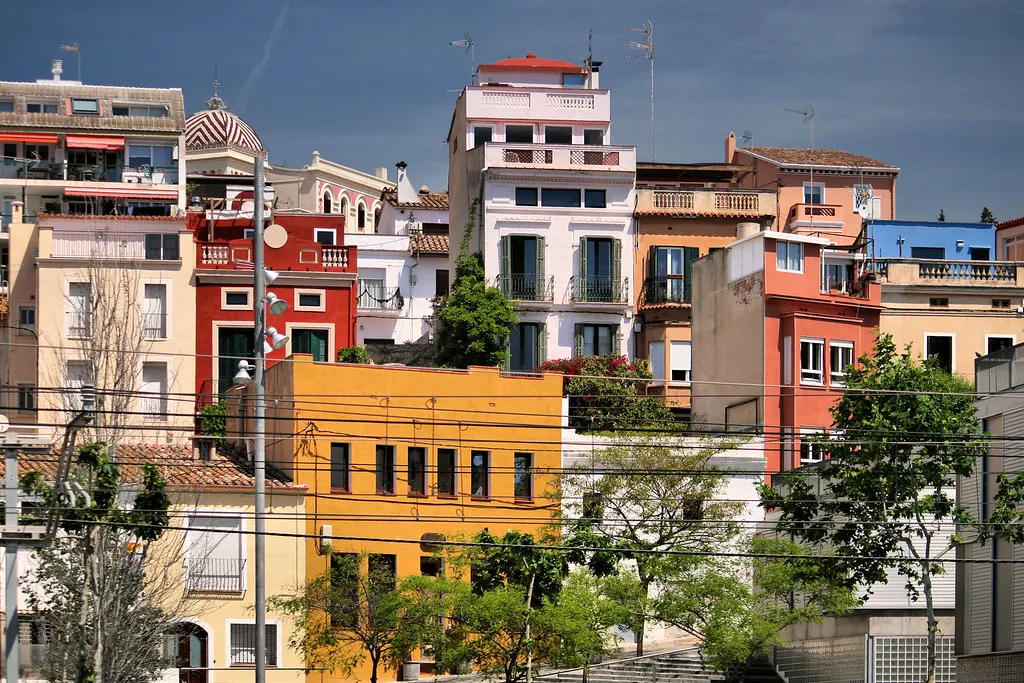
Premià de Dalt does not try to impress. It is a typical Maresme town, with housing developments spreading across the upper slopes and a compact old quarter below. If you are nearby, it is easy to spend an afternoon here, walk up to La Cisa and look out over the sea. That gives a clear sense of the place.
Getting There and Parking Without Stress
The C‑32 motorway runs close by. From the exit, a narrow road climbs towards the town. At weekends it fills with cyclists riding steadily uphill, so patience helps.
In the centre, parking is on the street. There are regulated zones along the main avenue. The main complication is the weekly market, which takes up a good part of the available space. Arriving on a Monday morning often means driving round more than once before finding a spot.
Many residents leave their cars in the higher streets and walk down into the centre. Given the layout of the town, that is often the simplest solution.
The Old Quarter and Its Landmarks
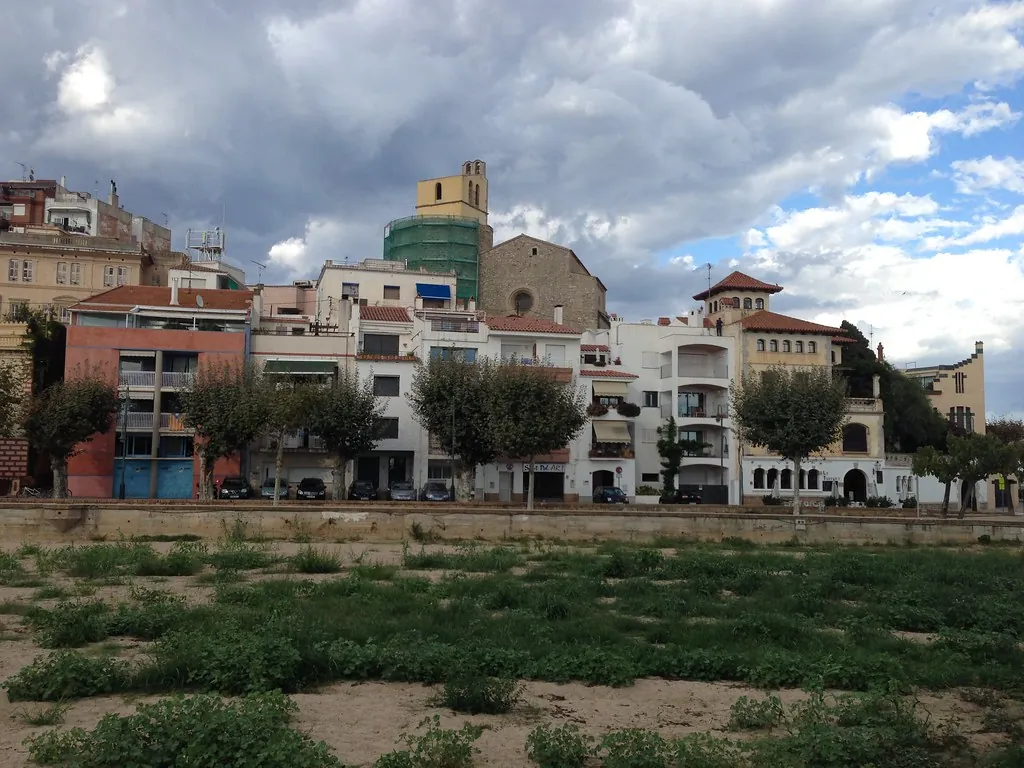
The church of Sant Pere is the oldest building in Premià de Dalt. Like much in the region, it has been altered over time. Even so, it remains the reference point of the historic centre, the place everything else seems to orient around.
As you move through the streets, the tower of Can Moles catches the eye. It is well preserved, though it cannot be visited as it is private property. You notice it in passing, a reminder that this was once a landscape of scattered houses and agricultural estates rather than suburban developments.
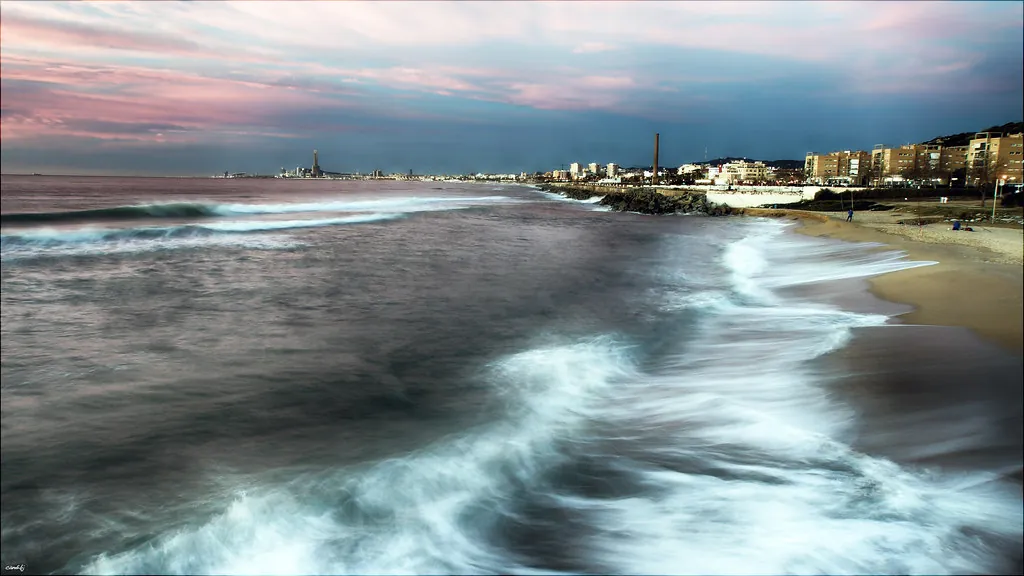
A little higher up stands the sanctuary of La Cisa. This is where it is worth pausing. The open space in front of the sanctuary offers wide views across the Maresme. On clear days, the sea appears in the distance, a strip of blue beyond the low hills and rooftops.
Premià de Dalt also has several small museums. One is dedicated to hunting, another to the bicycle and another to local history. These are modest collections, assembled patiently by local residents. They do not take long to visit, but they help explain what the municipality was like when fields surrounded it and daily life revolved around agriculture rather than commuting.
Local Food Without Fuss
The cooking here reflects the inland side of the Maresme. Expect cured meats, hearty spoon dishes and fish when it arrives from the nearby coast.
Butifarra negra, a dark Catalan sausage made with pork and blood, appears frequently in homes and at the market. Suquet de pescado, a traditional fish stew, also shows up on some menus. Even though the port is only a short drive away, the slight distance from the sea is noticeable in the overall feel of the cuisine.
Throughout the year, communal meals are organised around village festivals or gatherings at the sanctuary of La Cisa. These events usually centre on butifarra, bread and wine. There is nothing elaborate about them, yet they draw people together in a way that feels natural and unforced.
Festivities and the Rhythm of the Year
The main town festival takes place around Sant Pere at the end of June. Concerts are held in the square, there are activities for residents and fireworks light up the sky on one of the evenings.
In spring, a popular gathering is often held at the sanctuary of La Cisa. The day combines a mass, sardanas and outdoor eating. Sardanas are traditional Catalan circle dances, performed hand in hand in the open air. Much of the attendance comes from within the municipality itself.
High summer brings significant heat to the streets of the centre. Many residents head down to the beach in Premià de Mar or to other nearby coastal towns. The atmosphere in Premià de Dalt becomes quieter during these weeks, with fewer people lingering in the squares.
Walking into the Serralada Litoral
Above the town, several marked paths cross the Serralada Litoral park. These are straightforward walking routes that connect with neighbouring municipalities.
One trail runs through the hilly area between Premià de Dalt and Vilassar de Dalt. There are not many fountains along this stretch, so carrying water is sensible. The landscape is defined by low hills and open views rather than dramatic peaks.
Other routes descend towards Premià de Mar. In less than an hour, it is possible to move from the lower mountain paths to the seafront promenade. Many people choose to walk downhill and return by train, turning the difference in altitude into an easy plan.
Premià de Dalt is neither a resort nor a showpiece. It is a working town in the Maresme, shaped by its position between hills and sea. The old quarter is small, the upper areas are residential and daily life carries on at its own pace. For visitors already in the area, it offers a straightforward detour: a climb to La Cisa, a look across the coast and a sense of how this corner of Catalonia balances tradition and everyday routine.