Full Article
about Sant Cebrià de Vallalta
Inland Maresme municipality surrounded by woods and housing estates
Ocultar artículo Leer artículo completo
The morning bus from Calella wheezes to a halt beside a stone fountain that hasn't flowed since 1973. An elderly man in a barn jacket loads two crates of strawberries into the luggage bay, nodding to the driver in Catalan. This is Sant Cebrià de Vallalta: close enough to the Costa Brava to smell the sunscreen, yet stubbornly inland, agricultural and—crucially—quiet.
Seventy Metres Above the Mayhem
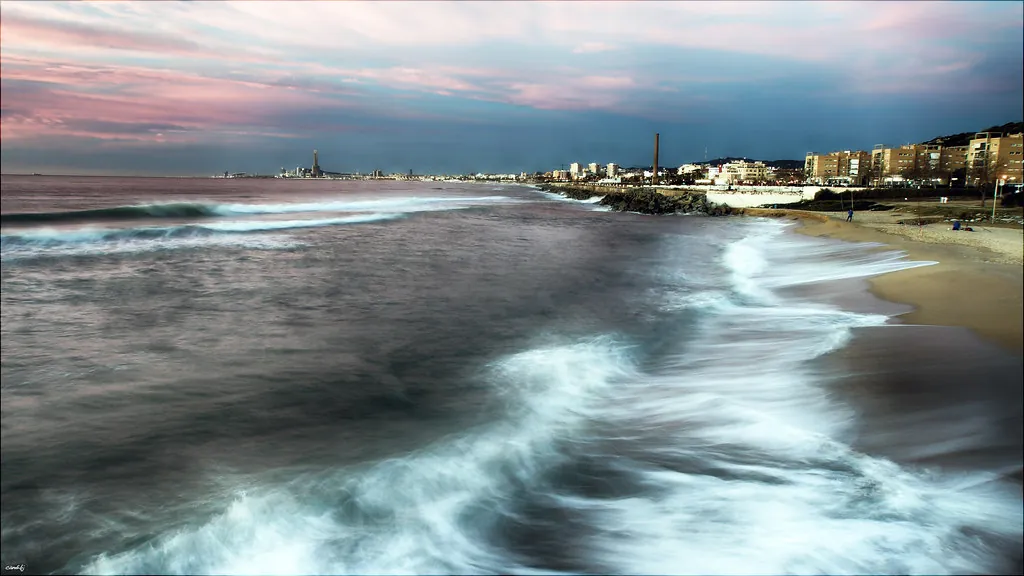
At barely 70 m above sea level the village isn't high, but it's high enough to dodge the coastal crawl. The Mediterranean lies 9 km east; on humid evenings you can sometimes glimpse a sliver of sea from the small mirador behind the church. What you hear instead of surf is tractors on dirt tracks and, in May, the clack of irrigation pipes shifting in strawberry fields that ring the houses.
Those fields explain the roadside honesty stalls from April to June: punnets of maduixes still warm from the sun, €3 a kilo, coin box bolted to an upturned crate. British second-home owners—mostly retirees from Toulouse or Antwerp rather than Aldershot—have learnt to set alarms; the fruit rarely lasts past 10 a.m.
A Grid that Refuses to be a Grid
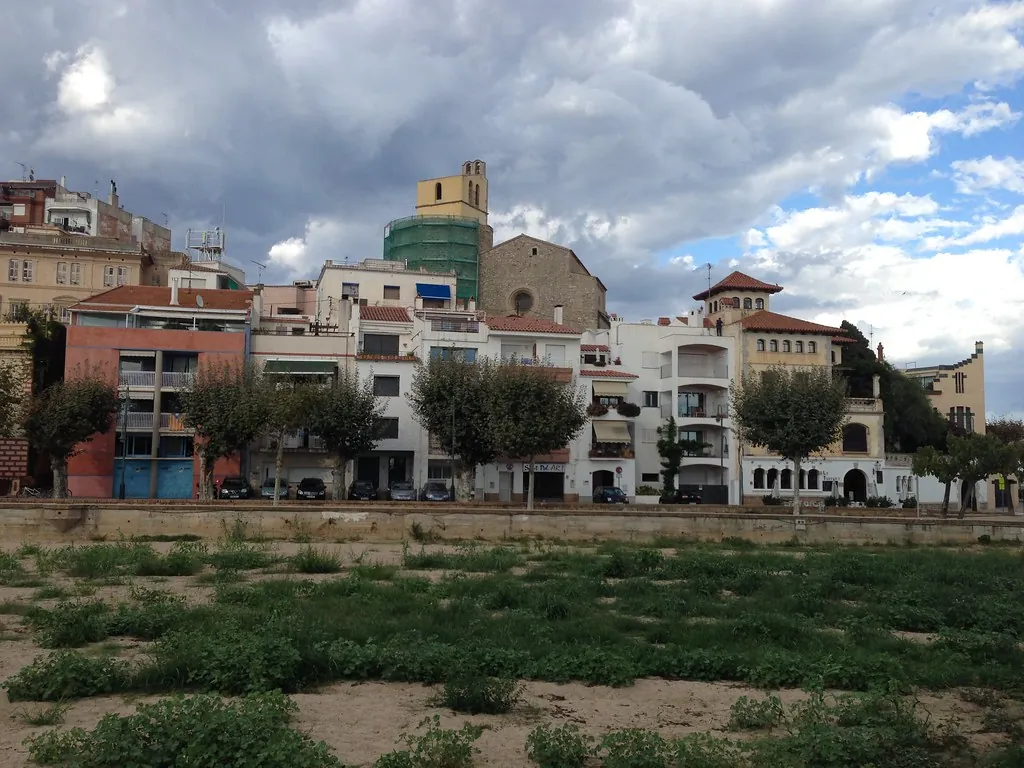
Urban planners hate Sant Cebrià. Streets narrow, widen, then taper into goat tracks that dissolve among carob trees. The centre is a kidney-shaped plaza with two bars, a pharmacy and the 16th-century parish church of Sant Cebrià whose bell tower doubles as the village compass: lose your bearings, look up, re-orientate.
Inside, the church is cool even in August, its single nave flanked by side chapels paid for by wine money. Look for the worn limestone font—local lore claims it baptised the first strawberry farmer in 1789, though parish records only start in 1856. Either way, the building feels used rather than museum-sealed; harvest wreaths appear in September, children's cribs at Christmas.
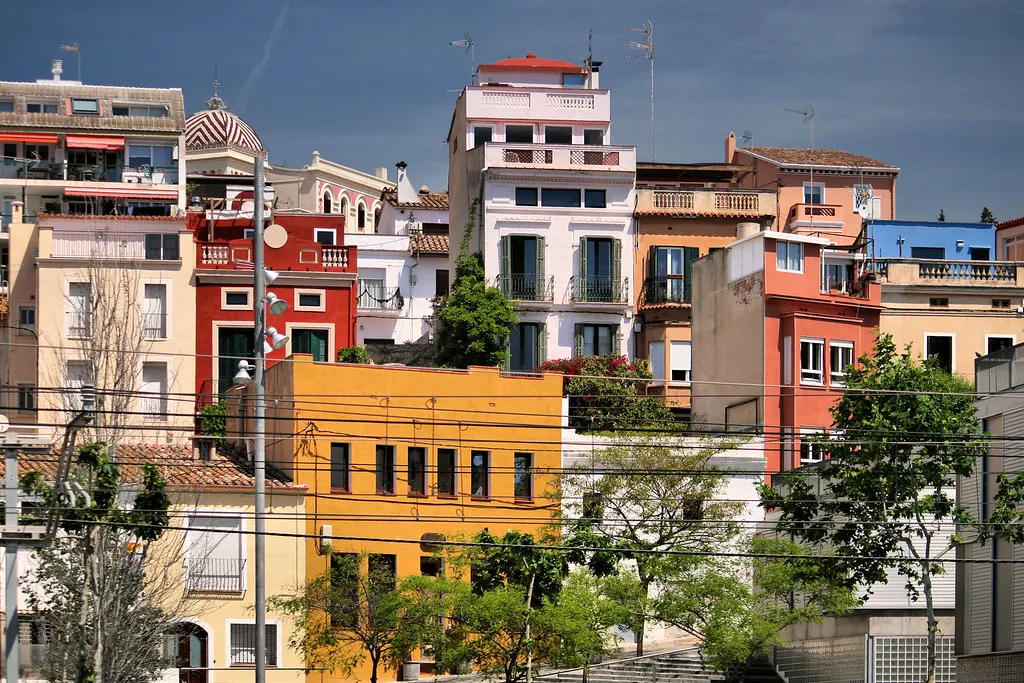
South of the plaza, Carrer Major climbs past stone houses whose ground floors once sheltered animals. Now you'll spot Scandinavian teak chairs through open doors and UK-plated Volvos squeezed into former haylofts. Resale agents call them "rustic-chic"; locals mutter about preus de bogeria—crazy prices. One Yorkshire couple bought a three-bedroom masía in 2021 for €285 k; eighteen months later they hadn't managed to sell a timeshare week on it. The lesson, repeated on expat forums: rent first, buy later, expect to stay.
Walks, Wines and a Pitch-and-Putt
Sant Cebrià sits inside the Montnegre i el Corredor Natural Park, which sounds grander than it is. The terrain is gentle: holm-oak and pine on sandy soil, signposted loops of 4–12 km. The GR-92 coastal footpath passes 3 km north if you fancy hiking to breakfast in Canet de Mar, but bring water—shade is patchy and summer temperatures touch 34 °C.
Cyclists share the lanes with the occasional tractor. The old camí ral to Sant Pol is asphalted but single-track; drivers must fold in mirrors while edging past bougainvillea-draped walls. Mountain bikes can be hired in Calella (€20 a day), delivered to the village if you ask nicely.
Wine is less hyped here than in nearby Alella, yet several masías hold weekend tastings. Try the 2022 white from Can Genís: garnatxa blanca, steel-fermented, €9 a bottle at the gate. No appointment needed on Saturdays after 11 a.m.; ring the bell, somebody's grandmother appears, production notes come in rapid Catalan—nod, smile, buy two.
If all that sounds too earnest, the municipal pitch-and-putt awaits on the western edge: 18 holes, longest 85 m, clubs for hire €8. It's the sort of course where dogs wander across the third green and scorecards blow away in the tramontana, but children feel Tiger-esque and parents can sip café con leche at the bar kiosk.
Food that Doesn't Photograph Well
Forget foam. Local cooking is brown, stewed and filling. Thursday's menú del dia at Bar Fons includes escudella—a meat-bean-and-pasta broth thick enough to stand a spoon in—followed by rabbit with prunes. Price: €14 including wine that arrives in a recycled Fanta bottle. Vegetarians get samfaina, the Catalan cousin of ratatouille, but must ask; menus assume you eat anything with legs.
Strawberries reappear in desserts: macerated in cava, or simply sliced over crema catalana whose burnt-sugar crust is cracked table-side with the back of a teaspoon. British palates fond of Eton mess will recognise the drill.
Shopping is limited. A Spar opens 9–1, 5–8 (Siesta survives here). Fresh fish arrives Tuesday and Friday in a refrigerated van that parks by the fountain; hake runs €12 a kilo, cleaned while you wait. For anything exotic—soya milk, cheddar, baked beans—drive to Calella's Carrefour, ten minutes down the C-32.
When the Village Lets its Hair Down
Mid-September's Festa Major turns tranquillity on its head. A five-day programme features sardanes in the square at dusk, children's gegants (papier-mâché giants) dancing to brass bands, and a correfoc—devils with fireworks—sparking down Carrer Major. The finale is a castell attempt by the local colla; they usually manage a wobbly six tiers before collapsing into a heap of relieved grannies.
August brings night-time verbenas with DJs who last played vinyl in 1998. Brits expecting Ibiza will be disappointed; playlist leans towards Dua Lipa and Catalan rumba. Earplugs recommended if your rental faces the plaza—music stops at 3 a.m., after which the street-cleaning machine provides a soothing hum.
Winter is quieter. January's Sant Antoni lights bonfires in the fields; locals grill botifarra sausages over vine cuttings and share red wine from porrons. Tourists are welcomed but obvious—only outsiders wear North Face. Temperatures can dip to 3 °C; the village sits low enough to avoid snow most years, but the stone houses weren't built for central heating. Bring slippers.
Getting Here, Getting Out
Barcelona El Prat is 70 minutes south on the toll-charged AP-7 (€9.45 each way). Car hire is simplest; without it, take the Sagalés bus from Terminal 2 to Calella, then line 627 uphill to Sant Cebrià—three journeys daily, €2.40, exact change only. Missing the 18:10 departure strands you on the seafront until next morning.
Trains run Barcelona–Calella every half-hour but the station is 3 km from the village; taxis are rare and pricey (€18 pre-booked). Cycling from the coast is feasible if you don't mind a 250 m climb.
Worth it?
Sant Cebrià de Vallalta offers a bargain: sea air without karaoke, vineyards without tour buses, a place where strawberries still taste of summer and property transactions move at the speed of treacle. Come for a week and you'll leave with stained fingers, dusty boots and a working knowledge of Catalan swear words. Stay for a year and you'll join the WhatsApp group that debates bin-collection schedules with the intensity others reserve for football. Just don't expect to sell quickly when the wanderlust fades—those strawberries ripen faster than house deals ever will.