Full Article
about Santa Susanna
Modern tourist destination with hotels and wide beaches
Ocultar artículo Leer artículo completo
The 05:42 freight from Barcelona thunders past the Hotel Tahiti at precisely 06:07. Windows rattle, gulls scatter, and for thirty seconds the whole promenade vibrates like a bass speaker. Then silence returns, the sun lifts over the Montnegre ridge, and Santa Susanna remembers it is supposed to be a beach resort.
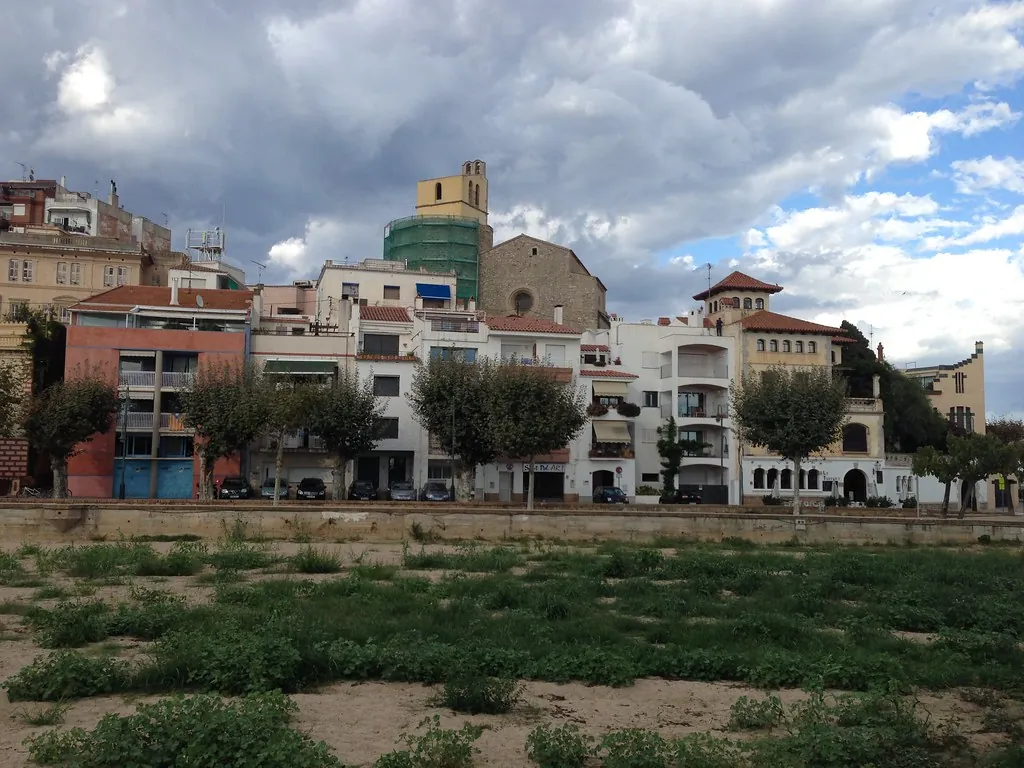
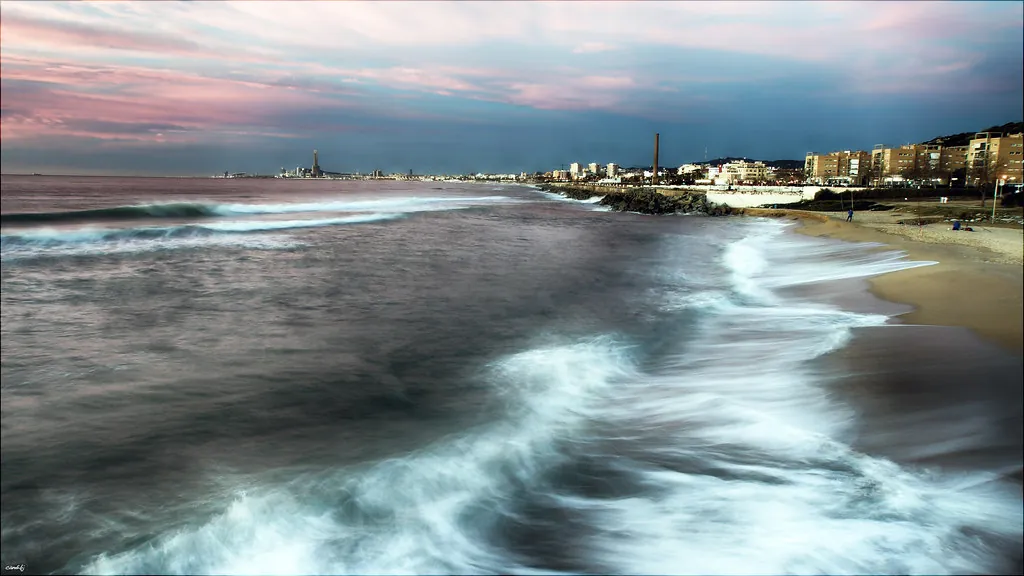
This is the Costa del Maresme’s unvarnished edge: a place that package brochures call “relaxed” but which locals still describe as “el pueblo que todavía existe” – the village that hasn’t quite been erased. Two kilometres of sand, four rows of 1980s tower blocks, and, tucked behind them, a grid of single-storey houses where grandparents sweep doorsteps before the heat arrives. Ten metres above sea level, the place is flat enough for pushchairs, yet the railway line acts like a zip: south to Barcelona in 55 minutes, north to the prettier, pricier coves of the Costa Brava.
Morning: Sand, Cyclists and the First Beer at 09:30
British cycling clubs discovered Santa Susanna before the stag parties did. At dawn the seafront bike path belongs to them: Team Sky jerseys flashing past the chiringuito shutters still lowering into place. The track runs uninterrupted for 18 km south to Mataró; northwards it dissolves into pine shade towards Malgrat de Mar. Hire bikes cost €12 a day from the booth outside Hotel Sabiote, and if you forget water the Tuesday street market on Av. Miramar sells 1.5-litre bottles for 40 cents – half the beach price.
The sand itself is coarse-grained, caramel-coloured, and peppered with fragments of shell that make barefoot walks a test of resolve. The sea shelves steeply; three metres out and a six-year-old is chin-deep. Red-and-yellow flags snap above a lifeguard who looks genuinely bored, but the bay’s orientation keeps waves modest except when the tramuntana wind whips through later in the week. Loungers fill early: by 10 a.m. the concessionaire has zipped up the last parasol and is counting cash. €12 for two beds feels steep until you try folding a towel on sand that behaves like gravel.
Afternoon: Escaping the Strip
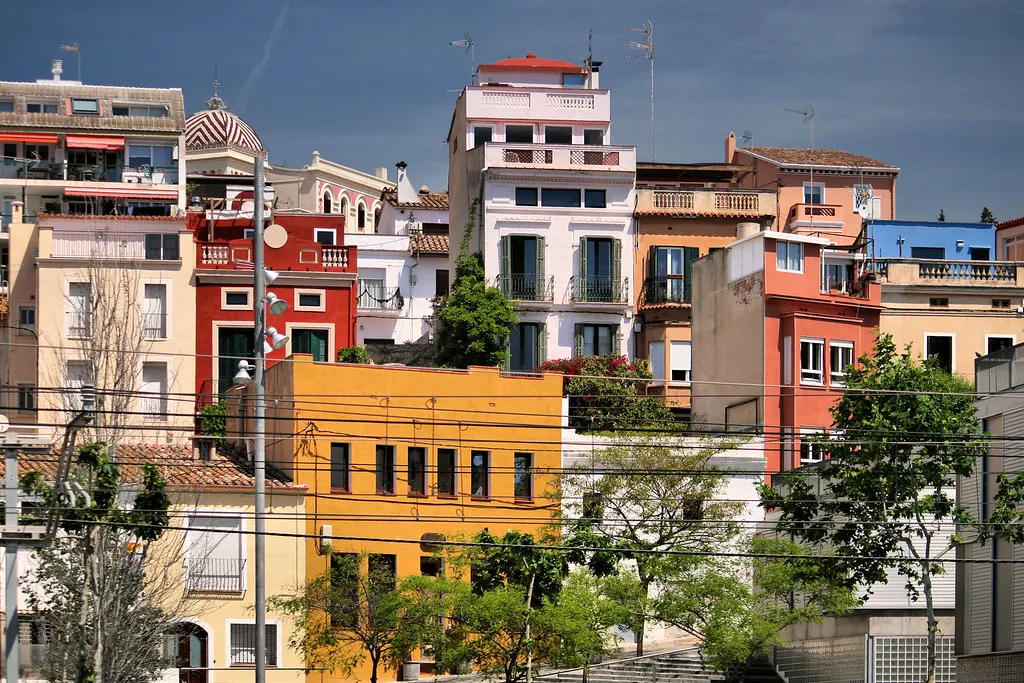
Turn inland at the roundabout with the giant fibreglass shrimp and Santa Susanna shrinks to village scale within two blocks. Carrer de l’Església is barely wider than a Tesco delivery van; washing lines sag between wrought-iron balconies, and the smell is of diesel, detergent, and orange peel. The parish church of Sant Pere i Sant Pau stands whitewashed and resolutely 19th-century, its neoclassical portico overlooking a square where old men play cards under a silk-cotton tree. Inside, the cool smells of candle wax and floor polish offer instant air-conditioning.
Above the houses a dirt track climbs to the ruins of Can Ratés castle. The sign claims twenty minutes; allow thirty if you paused for a second coffee. The path is stony, shadeless, and popular with German hikers in serious boots. At the top the Mediterranean opens like a blue motorway, container ships queuing for Barcelona port. The castle itself is a heap of stone kept respectable by a timber handrail; the view is the real monument. Bring water – the only tap dried up in last summer’s drought.
Food: Prawns or Pizza?
Double identity again. The frontline restaurants offer laminated menus the size of tabloid newspapers: full English, chicken tikka masala, and something they call “paella for children” (no bones, no shellfish, no taste). Move three streets back, however, and the bars still smell of yesterday’s garlicky sofrito. Ca l’Estrada serves gambas de Maresme that arrive head-on, coral-striped, and firm enough to snap. A plate of six costs €14; add a glass of chilled vermut and the total stays under twenty. Locals lunch at 15:00; turn up earlier and you’ll share the dining room with two Yorkshiremen comparing mortgage rates.
Evening is when the resort wobbles. British reviewers complain of “every-day karaoke” and they’re not exaggerating: the Britannia Bar’s Wednesday night starts with Oasis and ends with a stag from Kettering doing “My Way”. The alternative is the coastal train – €6 return – to Lloret’s louder clubs or Barcelona’s tapas crawl. Stay put and you can walk the promenade at 22:00 watching Spanish families pushing babies in prams, the temperature still 24 °C, the freight trains now thundering northwards like clockwork metronomes.
Practicalities: Sleep High, Spray Often
Hotel choice is simple: request a room on the fifth floor or above, land-side. The rail corridor is double-tracked and freight runs all night; earplugs are lighter than regret. Mosquitoes breed in the old irrigation channels behind the hotels – August visitors leave reviews entitled “Skegness with bites” – so pack repellent or pay €7 for local spray that smells of citronella and despair.
Car hire is pointless unless you’re heading inland. The R1 train stops every thirty minutes; buy a T-casual ticket at the machine and Barcelona day-trips become cheaper than a London tube ride. If you do drive, parking meters on the seafront demand €2 per hour from 09:00-21:00, but the supermarket car park at Supercor works for free after 20:00 and nobody checks overnight.
Verdict: Honest, Handy, Half-Finished
Santa Susanna will never win beauty contests. Its skyline is a bar graph of 1980s package tourism, and the sand could exfoliate rhino hide. Yet it functions: fast access to Barcelona, gentle mountain hikes, a beach wide enough to escape your neighbours, and a village core that refuses to die. Come for spring training rides or autumn sun when the coast empties and hotel prices halve. Expect the 06:07 freight alarm call, the smell of diesel and garlic, and the odd karaoke casualty. Don’t expect cobbled romance – but do expect change from a twenty after lunch, and a train that gets you to the Sagrada Família before your coffee cools.