Full Article
about Teià
Residential town with a Roman winemaking tradition and Alella DO
Hide article Read full article
A quiet corner just beyond Barcelona
Teià sits about 25 minutes from Barcelona, yet the contrast is immediate. The steady noise of the city fades, replaced by vineyards and a pace that still allows things to move slowly. It feels like the relative who moved out of town not to show off a bigger house, but to live more calmly.
The setting plays a big part in that shift. Instead of cranes and construction, there are slopes covered in vines. The air carries a different scent too. At times, especially around harvest, there is a faint smell of fermenting grapes somewhere in the valley. It gives the sense that something is always happening here, even when the streets look quiet.
Teià does not try to impress in obvious ways. It works better when approached without a tight plan, letting the place reveal itself through small details rather than major landmarks.
A village shaped by wine
Teià belongs to the DO Alella wine region, and that connection runs through daily life. It is not presented in a formal or technical way. Conversations drift naturally towards wine, and it rarely takes long before someone mentions “pansa blanca”.
Pansa blanca is the grape most closely linked to the area. From it comes a dry white wine with a distinctly Mediterranean character. There is a slight saline note, a fresh feel, and a background hint that the sea is only a few minutes away by car.
This link between village and vineyard becomes especially visible during the Fiesta de la Verema, usually held around September. At that time, the atmosphere shifts. The vineyards fill with people, and many families from Barcelona arrive at their second homes. The whole place turns towards the harvest.
There are activities and food, along with that familiar mood of a local celebration where people know each other well. Visitors quickly notice the change. It is not a quiet village during those days, but it still keeps its sense of closeness.
Slopes, history and a small museum
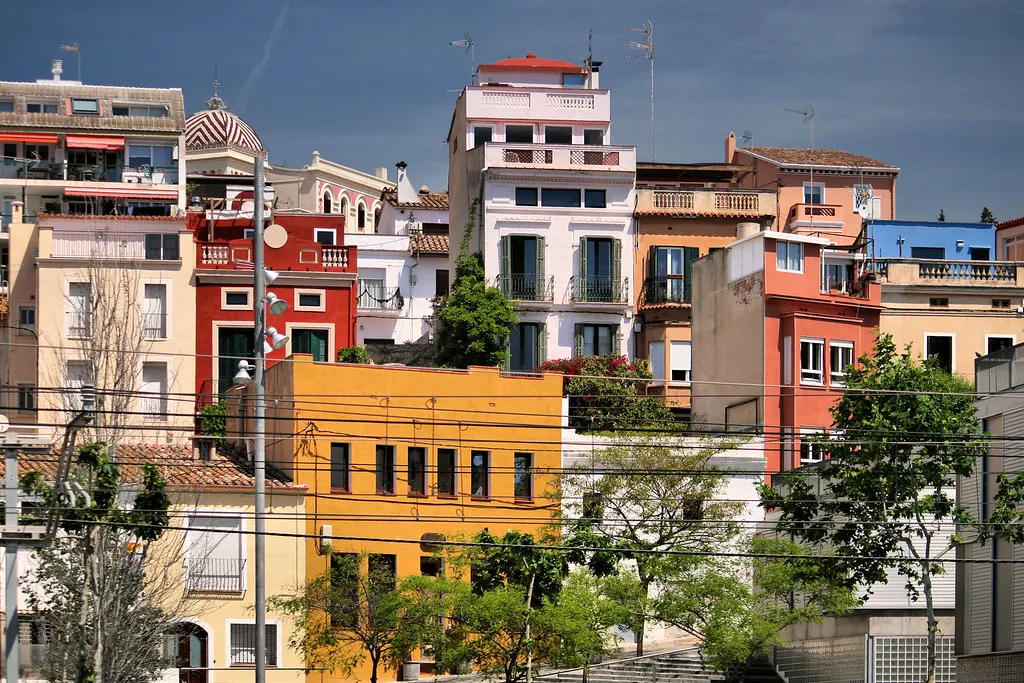
The old centre of Teià is best understood on foot and without rushing. Streets are narrow, the terrain is uneven, and some climbs are more demanding than they first appear. The houses seem to follow the shape of the land rather than impose on it.
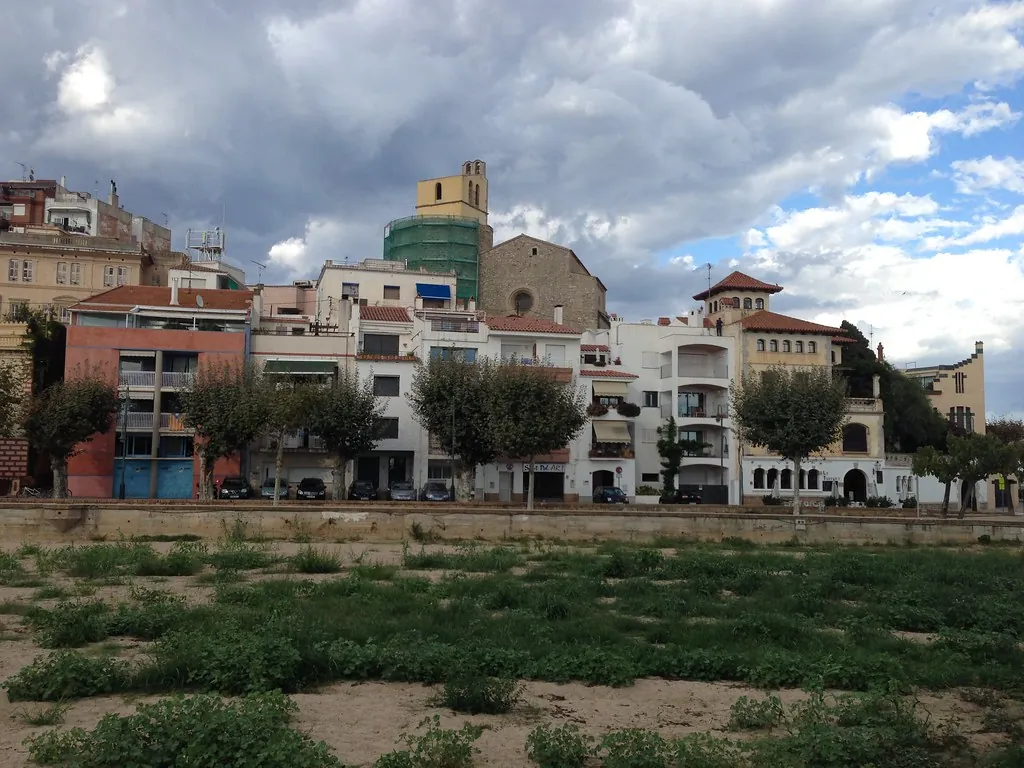
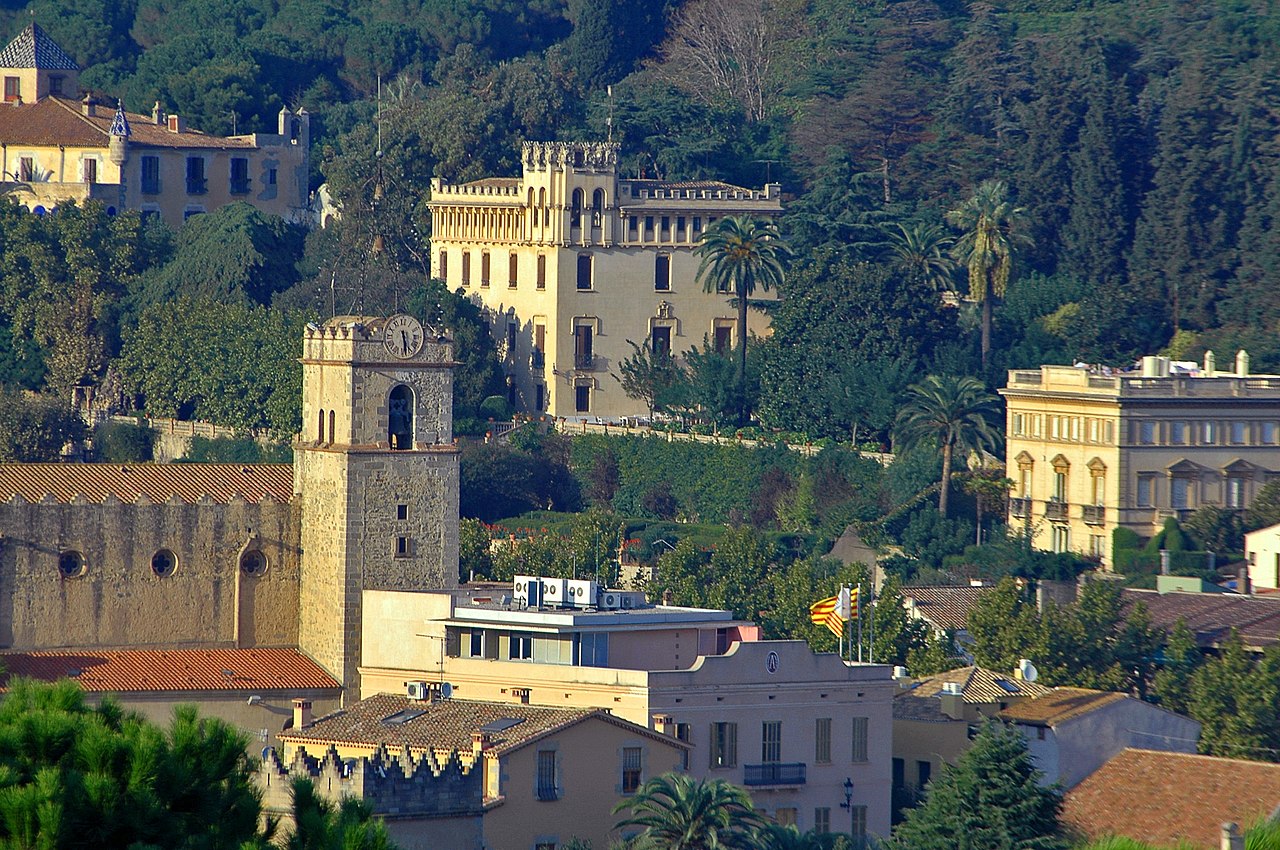
At the heart of the village stands the church of Sant Martí, built in the 16th century. It anchors the centre and gives a clear reference point while wandering through the streets.
Nearby, there is a small local archaeological museum. It does not take long to visit, but it adds useful context. The exhibits point to organised life in this area during Roman times, including remains of a villa dating back more than two thousand years. It is a reminder that the landscape of vineyards and hills has a long history behind it.
For those who enjoy walking, several paths lead from the village up into the Serralada Litoral. One of the most common routes heads towards the Turó de Teià. The climb is roughly three kilometres and steadily uphill. It is not extreme, though it is far from flat.
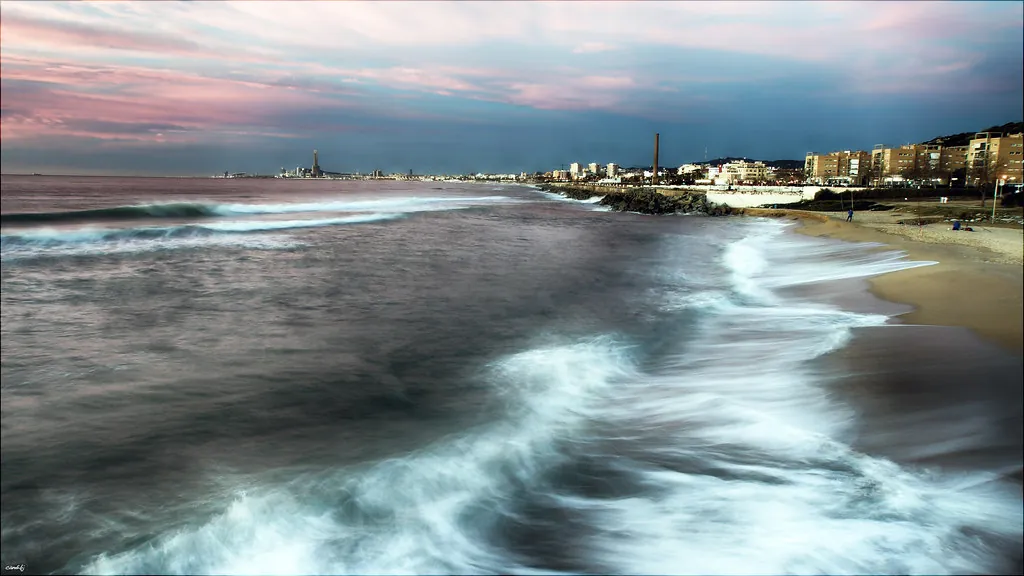
At the top, the geography becomes clear. Vineyards stretch down towards the sea, El Masnou sits close by, and Barcelona appears in the distance. It puts the location of Teià into perspective, showing how close it is to the coast while still feeling separate from it.
In summer, the heat adds an extra challenge. The slopes may look gentle on a map, but in reality they have more bite than expected, so carrying water is a sensible idea.
Autumn fairs and familiar traditions
Early November brings the Fira de Tots Sants. The main attraction here is the panellets, small almond-based sweets often topped or flavoured with ingredients such as pine nuts, coconut or coffee. They are closely associated with this time of year in Catalonia.
It is easy to buy a few with the intention of sharing, only to find they disappear quickly. Alongside them are roasted chestnuts and moscatel wine, creating a seasonal atmosphere that mixes tradition with a relaxed, local feel.
Around the same time, the Festa Major dedicated to Sant Martí also takes place. The village fills with activities, including sardanas, the traditional Catalan circle dance, and sometimes castellers, the human towers that are a well-known part of regional culture. There are also communal meals held in public spaces such as squares or halls.
It is not a large-scale festival, but it is easy to feel included. Even for visitors, the tone is open and familiar rather than overwhelming.
Getting there and getting around
Arriving by car is usually the most straightforward option. Once in Teià, it tends to be easier to leave the car in more open areas near the entrance to the village or by the sports pavilion, then continue on foot. The central streets are narrow, with bends that require careful driving.
It is also possible to reach the area by train along the Maresme coast and then head up towards the village. The final stretch involves an uphill walk that feels like a warm-up before exploring the rest of Teià.
One final note matters more than any practical tip. Teià works best without a rigid checklist. A slow walk through the streets, a pause along a path overlooking the vineyards, or a moment watching locals play cards in the square captures the place more accurately than rushing between points. Nothing particularly dramatic needs to happen. The appeal lies in how everything fits together without effort.