Full Article
about Tiana
Quiet village in the Sierra de Marina with an astronomical observatory
Hide article Read full article
A hillside village above the Maresme
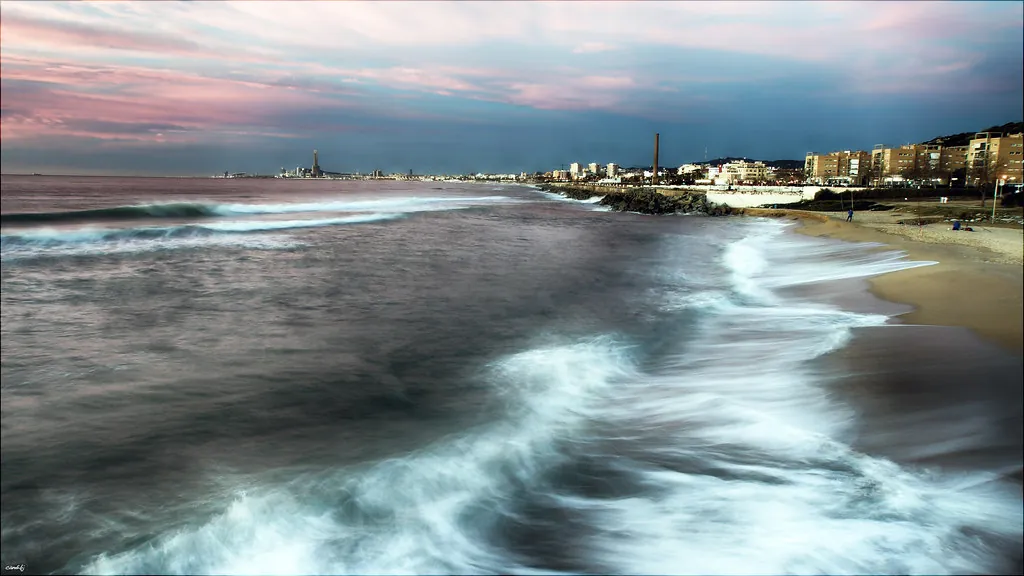
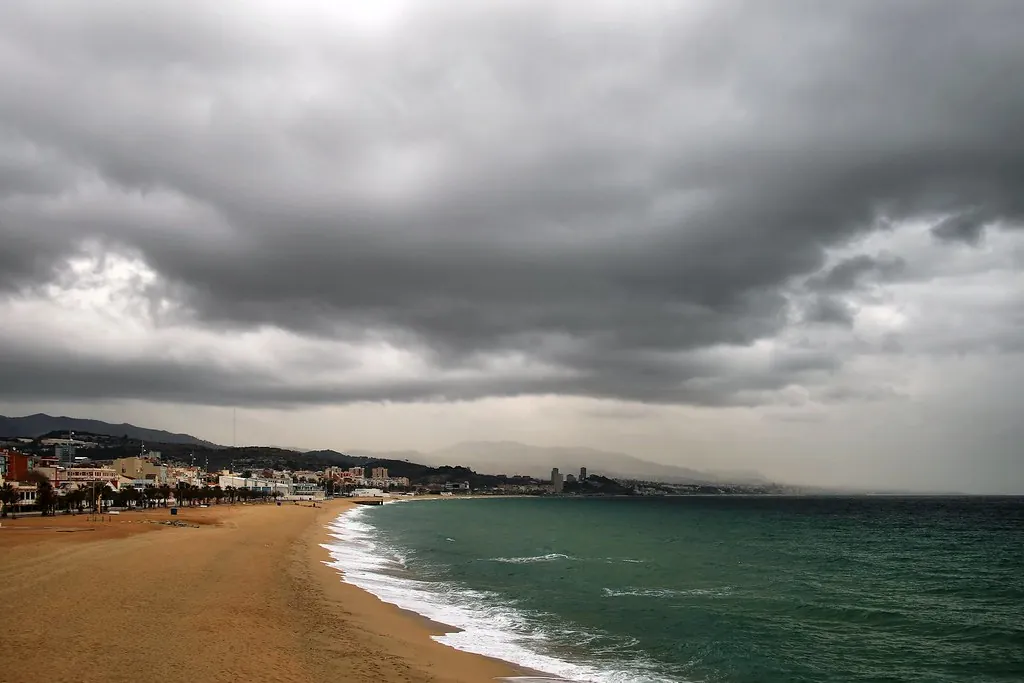
Tiana lies on the southern slope of the Serralada de Marina, just a few kilometres from Barcelona, with the sea of the Maresme stretching out beyond. Its position explains much of its character. For centuries it was a small agricultural settlement set slightly back from the coastline, high enough to look out across the territory yet close enough to remain tied to the Mediterranean world below.
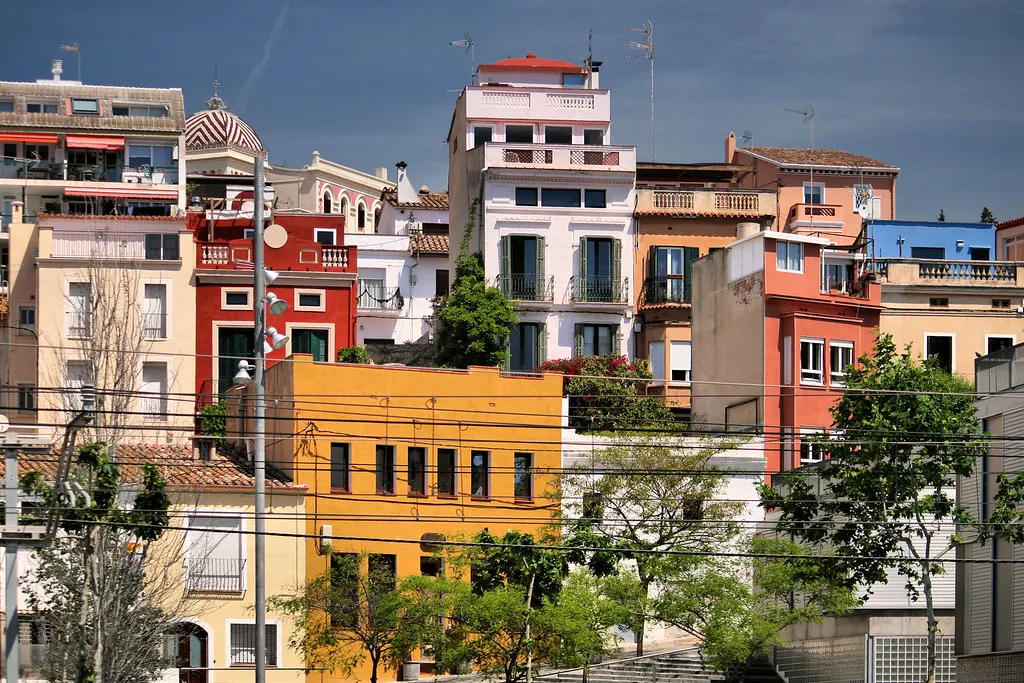
At the heart of the village stands the church of Sant Cebrià. Around it, the old centre reveals how the houses gradually climbed the hillside as the population grew. There are no grand gestures or monumental squares here. Instead, the interest lies in the way the settlement adapts to the slope, adjusting to the contours of the land rather than imposing itself upon them.
Historically, Tiana’s elevated position offered both a clear view across the surrounding area and a degree of protection from the problems that affected more exposed coastal communities. Rather than developing directly along the shore, the village was linked to inland routes that connected with the ancient Roman road running through the Maresme.
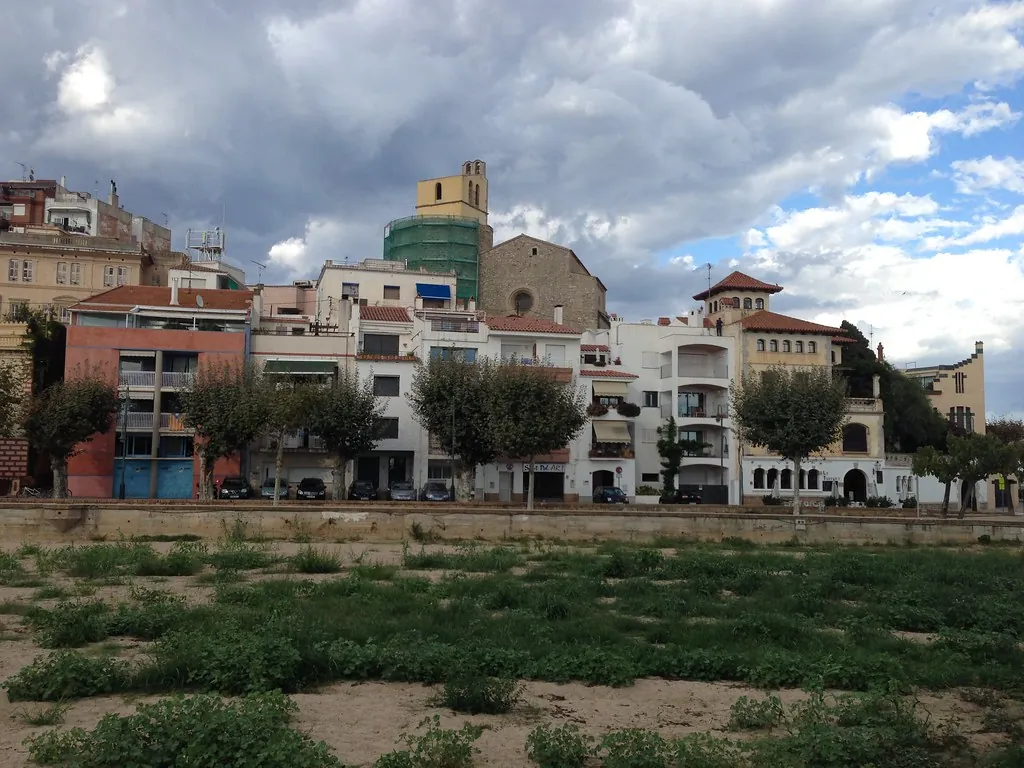
Sant Cebrià occupies the central point of the old quarter. The present building largely reflects later alterations, constructed over earlier structures that had already established this spot as the parish centre. As in many Catalan villages, the church does more than serve a religious function. It organises the urban space, shaping the streets and small squares that gather around it.
The surrounding network of narrow, sloping streets follows the natural topography. Older houses display features typical of popular architecture in the Maresme: thick walls, wrought-iron balconies and tiled roofs. The overall effect is cohesive rather than showy, rooted in practical solutions to terrain and climate.
From Roman villas to rural paths
The municipality preserves traces of much older occupation. In the area of Can Sentromà, archaeological remains linked to a Roman agricultural villa have been documented. This comes as no surprise. During the Roman period, the Maresme was intensively cultivated, producing wine and olive oil that entered the commercial networks of Tarraco and the wider Mediterranean coast.
These remains connect Tiana to a much broader story of rural production and trade. The choice of fertile coastal plains and well-connected routes helped integrate this stretch of land into the Roman economy.
Much later in time, a small cemetery was established along the Montalegre road during a 19th-century cholera epidemic. As in many other places, victims were buried outside the urban centre in line with the sanitary practices of the period. The site is modest, yet it speaks of a specific historical moment and the public health concerns that shaped it.
Between Can Sentromà and the Montalegre road, several rural paths criss-cross the territory. They are still used today by walkers and those heading up into the hills. Following these routes helps make sense of how the village once related to its agricultural surroundings and to the scattered masías, traditional Catalan farmhouses, dispersed across the slopes.
The landscape of the Serralada de Marina
Above the urban centre begins the landscape of the Serralada de Marina park, a chain of low hills covered in pine woodland, Mediterranean scrub and former terraced fields. The agricultural past remains visible in these terraces, even where cultivation has long since ceased.
Various footpaths start in Tiana and lead into the hills, linking up with natural viewpoints over the coastline. On clear days, the panorama stretches across much of the seafront between the Besòs river and central Maresme. Barcelona is clearly recognisable to the south, its outline distinct against the horizon.
In some elevated spots there are traces of even earlier settlement. The Iberian site of Puig Castellar, located near the boundary with neighbouring municipalities, occupies one of these strategic promontories. The reason for its location is straightforward: from here it is possible to control visually both the coastline and the inland passes. Long before Roman roads and medieval parishes, these heights were valued for their commanding views.
Walking through the Serralada de Marina offers a gradual transition from village streets to open hills. The terrain is uneven, and in summer the sun can be intense. The paths are not especially long, yet they give a clear sense of how closely Tiana is tied to its natural surroundings.
Local rhythms and summer celebrations
Despite its proximity to Barcelona, Tiana retains a distinct local rhythm. The Festa Major of Sant Cebrià, held in summer, remains one of the key moments in the village calendar. During these days, squares and streets in the centre fill with traditional activities and neighbourhood gatherings. The celebration continues customs documented for centuries, reinforcing links between past and present.
Throughout the year, smaller fairs and events also take place in line with the local calendar. They are not large-scale occasions, but they form part of everyday life in a municipality that maintains its own dynamics alongside the influence of the nearby city.
The setting of these events, among the sloping streets and around Sant Cebrià, strengthens the sense of continuity. The same spaces that once structured agricultural and parish life now host communal festivities.
Reaching Tiana and exploring on foot
Tiana is very close to Barcelona and can be reached easily by car via the Maresme motorway or by the roads that cross the Serralada de Marina. It is advisable to leave the car in the designated areas at the entrance to the old quarter and explore the centre on foot, as the streets are narrow and quite steep.
It is also possible to arrive by train to the coast, at stations such as Montgat, and then make the ascent to Tiana either on foot or using local transport. The climb from the shoreline is noticeable, yet it clarifies the relationship between the maritime strip and the hillside settlements that developed slightly inland.
For those planning to walk in the Serralada de Marina, taking water and wearing comfortable footwear is sensible. The terrain can be irregular, and the summer sun is strong. Even so, the proximity of hills and sea remains one of Tiana’s defining features: a village shaped by height, agriculture and an enduring view of the Mediterranean.