Full Article
about Vilassar de Mar
Seaside town known for its flower and ornamental plant market
Ocultar artículo Leer artículo completo
The 07:42 pulls out of Vilassar de Mar with the same precision it left Barcelona’s Plaça de Catalunya twenty-five minutes earlier. On the platform, day-trippers blink at the sudden quiet. No buskers, no metro map the size of a tennis court, just the smell of salt and the clatter of a single bakery shutter rolling up. You have arrived in the town that office workers ride home to, a place whose beaches still belong to locals in October and whose restaurants don’t bother translating “sípia” into anything more exotic than “cuttlefish”.
A seafront that still works for a living
Walk the hundred metres from the station to the sand and you’ll see what sets Vilassar de Mar apart from its glossy neighbours. The railway line hugs the coast so closely that commuters on the 08:06 can watch wetsuited pensioners paddling boards through the window. The N-II road does the same, which means the beach is never more than a zebra-crossing away. Some visitors complain about the traffic; others admit it keeps the promenade honest. Either way, the arrangement has spared the town the concrete wall of apartment blocks that backs most Costa stretches.
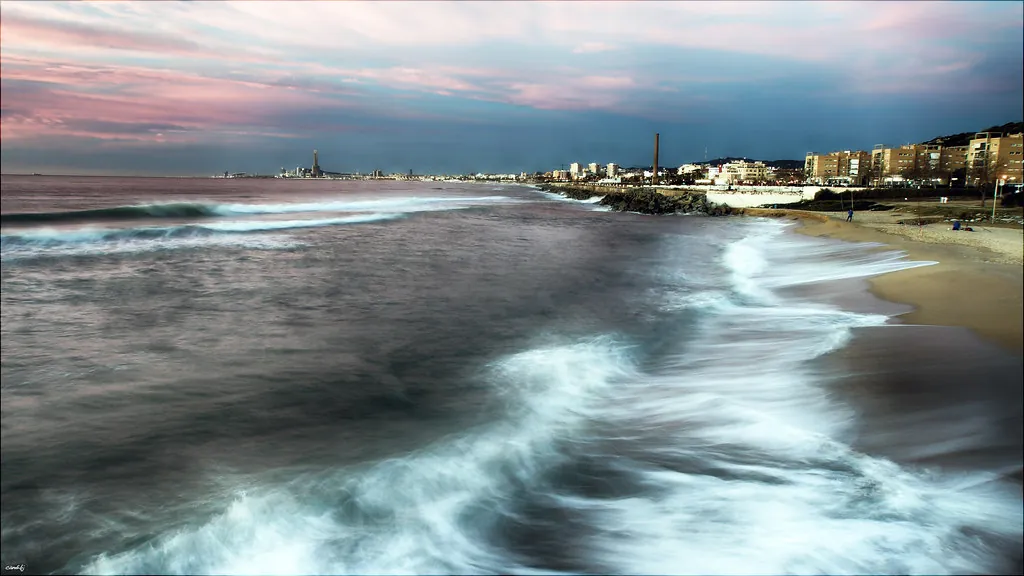
Three beaches—Ponent, Centre, Llevant—share two kilometres of coarse caramel-coloured sand. In July they fill with Catalan families who’ve caught the same train you did; in January dog-walkers outnumber swimmers fifty to one. The water is clean, the slope gentle and the lifeguard towers empty from October to Easter. Bring sandals: the grain is large enough to scald bare feet on a hot afternoon.
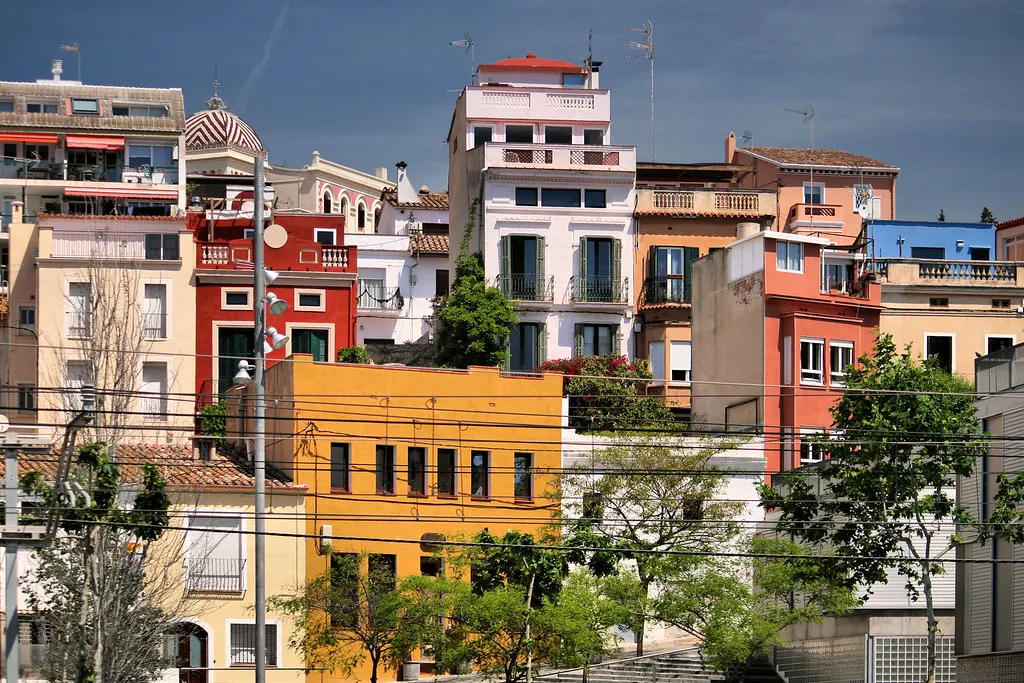
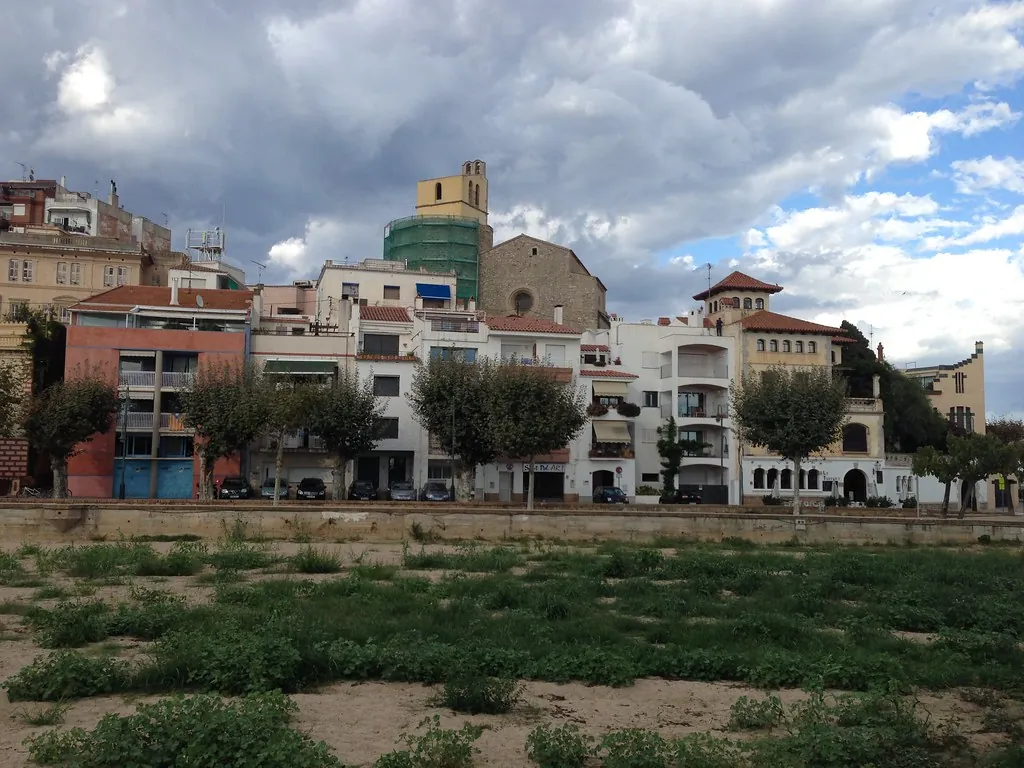
Behind the sand, the Passeig Marítim works harder than any postcard promenade. Joggers overtake grandparents pushing shopping trolleys; teenagers practise skateboard tricks outside a modernist villa built by a returning “indiano” who made his fortune in Cuban sugar. The house, all wrought-iron balconies and sunflower tiles, is now divided into flats whose ground-floor occupants set plastic tables on the pavement at 20:30 sharp. British visitors usually photograph the mansions, then spend the evening in one of the chiringuitos where a tub of Espinaler cockles costs €6 and a “clara” shandy two-fifty.
Strawberries and salt cod
Vilassar de Mar never forgot it grew food before it served tourism. Between the town and the inland motorway, plastic tunnels still glow pale blue in winter, protecting the Maresme strawberries that arrive in British supermarkets from March onward. Local restaurants push the same berries into desserts: order the “postre de maduixots” at Restaurant Marítim and you’ll get a glass layered with yoghurt, honey and fruit picked that morning.
The weekly market—Tuesday and Saturday on Plaça de l’Església—feels more pantry than performance. Stallholders weigh out mussels from Blanes, grey-skinned aubergines and bunches of chard so large they need their own carrier bag. Few prices are written down; the assumption is you already know what a kilo of calçots should cost. Come at 11:00 when the church bell strikes and the queue for fresh anchovies backs up past the hardware kiosk.
For something more formal, the Museu Municipal in Can Banús explains how sea and soil co-existed. One room displays a 1920s tram ticket to Barcelona—fare five céntimos—next to a wooden plough still used on the strawberry fields until the 1970s. Upstairs, sepia studio portraits show returning emigrants in starched collars; their houses line the very streets you walked to get here.
Railways and ridge trails
The same train that delivered you continues north to Mataró and south to Barcelona every fifteen minutes off-peak. Buy the T-Casual ten-journey card at the airport RENFE machines (€11.35) and you have ten trips anywhere on the network, including the airport, making a taxi from Vilassar to Terminal 1 pointless unless you’re travelling at 03:00.
If you’d rather stay put, the GR-92 coastal path passes the yacht club and keeps going for 583 kilometres. Walk fifteen minutes south and you’re in Cabrera de Mar where Roman ruins sit among agave plants; head north for half an hour and you reach Premià de Mar’s Sunday book market. Cyclists can follow the Camí del Litoral, a flat cycle lane that threads fishing harbours and 1950s campsites all the way to the French border if you’re feeling continental.
Inland, the Serralada Litoral rises quickly. From the top of Montcabrer (342 m) you can see the entire Maresme ribbon—railway, road, beach—laid out like a model railway. The climb takes ninety minutes from the station; carry water because cafés vanish once the strawberry tunnels end. Winter mornings can be crisp enough for gloves, but by 11 a.m. you’ll be in shirtsleeves watching paragliders launch above the N-II.
When to come, when to stay away
May and late-September give you 24 °C sea temperatures without the August scrum, though Barcelonans still invade weekends. Hotel prices halve after the Festa Major (around 24 June) and don’t climb again until school holidays. British half-term in October coincides with the last decent swimming weeks; bring a rash vest for early dips and you’ll have the sunrise practically to yourself.
Avoid August unless you enjoy volume. The town’s population triples, car parks gridlock and restaurant queues stretch to the sand. Even the local council admits the waste collection starts at 05:00 to cope. If you must come mid-summer, book a place with a kitchen—supermarkets shut Sunday afternoons and the only emergency shop is a pricey “Open Cor” on Carrer Major.
Rain is rare but spectacular when it arrives; storms blow in from the sea and drench the promenade in twenty minutes. The drainage copes better than Barcelona’s, but café chairs still skate across the tiles. Sit it out with a coffee inside Can Muns, where the elderly owner refuses to serve cortados in takeaway cups because “the glass keeps the ratio honest.”
Departures
By 22:30 the last fast train to Barcelona is boarding. From the platform you can see apartment lights flick off one by one as locals lock up and head inland to sleep. The beach bars stack chairs, the smell of grilled sardines lingers, and the town reverts to the people who never bothered to leave. Stay the night and you’ll hear the 05:52 freight heading north, the first hint that tomorrow the commuters will do it all again. Catch that train or don’t; Vilassar de Mar will still be here, half fishing village, half suburb, wholly uninterested in whether you call it a hidden gem.