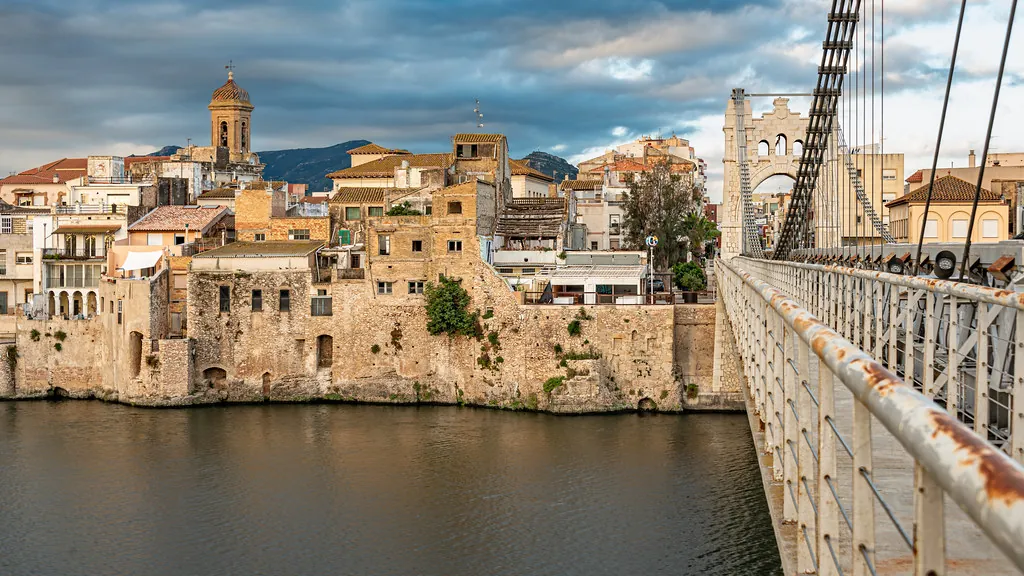
Vista aérea de Freginals
Instituto Geográfico Nacional · CC-BY 4.0 scne.es
Cataluña · Sea, Mountains & Culture

Freginals

The petrol pump closes for siesta. This is the first thing that catches most British drivers off-guard as they pull into Freginals, halfway between...

443 inhabitants · INE 2025
126m Altitude

Why Visit

Church of San Bartolomé Hiking to Foradada

Best Time to Visit

spring

Main Festival (August) agosto

Things to See & Do
in Freginals

Heritage

  • Church of San Bartolomé
  • Montsià Range
  • dry-stone huts

Activities

  • Hiking to Foradada
  • MTB trails
  • Cultural visit

Festivals
& & Traditions

Fecha agosto

Fiesta Mayor (agosto), San Bartolomé (agosto)

Las fiestas locales son el momento perfecto para vivir la autenticidad de Freginals.

Full Article
about Freginals

Small village on the slopes of the Sierra del Montsià with white houses and Mediterranean surroundings.

Ocultar artículo Leer artículo completo

The petrol pump closes for siesta. This is the first thing that catches most British drivers off-guard as they pull into Freginals, halfway between Valencia and Barcelona on the N-340. The second is the view: rows of olive trees cascading down the hillside, their silver-green leaves flickering against the limestone backdrop of the Ports mountains. At 126 metres above sea level, this isn't a mountain village proper, but it's high enough that the Mediterranean heat softens slightly, and the air carries the scent of wild thyme rather than salt.

A Village That Works for Its Residents

Four hundred and something inhabitants. That's it. Fewer people than your average London commuter train at 7 a.m. The houses are low, the streets are straight, and nothing here was built for the gram. What you see is what you get: a working agricultural settlement where the almond harvest still dictates the rhythm of life and where the elderly gentlemen on the bench outside the bar know exactly who's driving past by the sound of their engine.

The church squats in the centre like a weathered toad, its simple bell tower the only thing breaking the skyline. No fancy baroque flourishes here – just thick stone walls and a door that's been replaced more times than anyone can remember. Inside, the temperature drops ten degrees, and the smell is of wax and centuries of Sunday best. It's not a destination in itself, but it anchors the village in the way that only buildings that have seen everything can.

Walking the grid of streets takes roughly fifteen minutes if you're strolling, five if you're a local heading home for lunch. The houses maintain their original character – wooden shutters painted in fading greens and blues, terracotta roof tiles held down by the weight of generations. Some have been restored by weekenders from Barcelona, but most remain stubbornly unchanged. There's something refreshing about a place that hasn't been tarted up for visitors. The only concession to tourism is a small ceramic sign pointing towards the cave paintings, 6 kilometres away at Ermita de la Pietat.

The Real Mediterranean Landscape

Step beyond the last houses and you're into the agricultural zone that defines Freginals. Olive groves stretch towards the horizon, their trunks thick and gnarled as old men's limbs. These aren't the neat, irrigated plantations you see nearer the coast. These are dry-farmed, traditional groves that have been here since the Moors introduced sophisticated irrigation techniques. In February, the almond blossom turns whole hillsides white, creating a spectacle that rivals Japan's cherry blossoms but with zero entrance fees and no selfie-stick vendors.

The walking is gentle here. No lung-busting climbs, just tracks that meander between fields, connecting scattered stone huts that once sheltered farmers from the midday sun. These dry-stone structures are the area's unsung architecture – built without mortar, they've stood for centuries, their roofs intact, their purpose unchanged. Bring water. There are no cafes in the middle of olive groves, and mobile signal vanishes as soon as you drop below the ridge line.

Birdwatchers pack binoculars. The mix of cultivated land and wild scrub attracts everything from hoopoes to booted eagles. Early morning, when the thermals haven't started and the only sound is the occasional clank of a distant windmill pump, you might spot a family of wild boar crossing the track ahead. They'll stare at you with the same suspicion locals reserve for anyone wearing hiking boots after 11 a.m.

Food, Drink and the Art of Timing

Let's be honest about the culinary scene. There isn't one, not in the restaurant-review sense. The village bar does decent coffee – proper espresso, none of your bucket-sized lattes – and serves toast rubbed with tomato and drizzled with local arbequina olive oil that costs less than a London pint. The oil is peppery, green-gold, and sold in 250ml tins that survive the journey home in hand luggage. Buy several. Your friends will thank you.

For anything more substantial, timing is everything. The bar kitchen shuts when the last local finishes eating, usually around 4 p.m. sharp. Turn up at 4:15 and you'll get crisps and apologies. There are no takeaway sandwiches, no meal deals, no "all-day dining." This is a place that eats when it's hungry, not when tourists are. Plan accordingly. Pack emergency biscuits.

The nearest restaurant that understands the British need for vegetables is in Ulldecona, nine kilometres back towards the coast. There, you can get coca de recapte – a sort of Catalan pizza topped with roast vegetables and, if you're lucky, anchovies that taste of the sea rather than the tin. The house white comes from Batea cooperative, is served properly chilled even in December, and costs roughly what you'd pay for a bottle of water at Gatwick.

Beyond the Village Limits

Freginals works best as a base rather than a destination. The Ebro Delta, 20 kilometres east, offers a complete change of scene. One minute you're surrounded by olive trees, the next you're watching flamingos wade through rice paddies while farmers in flat caps tend fields that look more Vietnam than Valencia. The delta produces Spain's best rice, and the restaurants in Deltebre serve paella that makes you understand why Valencians get so worked up about what constitutes the real thing.

Back inland, the cave paintings at Ermita de la Pietat require advance booking through the tourist office in Ulldecona station. English tours run twice daily in shoulder season, once daily in summer when guides are stretched thin. The walk is short but steep over uneven limestone – trainers essential, water crucial, flip-flops a recipe for a twisted ankle and an embarrassing rescue. The paintings themselves are faint, World Heritage-listed reminders that people have been recording their lives here for 8,000 years. Your Instagram filter won't help.

Wine drinkers head west towards Terra Alta, where cooperatives in villages like Batea and Gandesa offer tastings of white grenache that rarely makes it to British wine merchants. These are proper working bodegas, not tourist showpieces. Turn up during harvest (late September) and you'll be pressed into service punching down caps. The wine is cheap, honest, and tastes of the limestone soil that produces it.

The Reality Check

Come August, the village triples in size as emigrants return for the fiesta. Suddenly there are teenagers who speak English with American accents, grandparents who've upgraded from Seat to BMW, and music that continues until the police from Ulldecona arrive to suggest, politely but firmly, that perhaps 4 a.m. is late enough. Parking becomes impossible, the bar runs out of ice, and the one cash machine in town (installed in 2019, located inside the pharmacy) develops queues that snake around the square.

Winter is different. Many houses shutter up from October to March. The bar reduces its hours. Mist rolls in from the coast, and the olive harvest becomes the main event. This is when you see Freginals at its most authentic – neighbours helping neighbours, everyone covered in a fine dusting of olive residue, the air thick with the smell of crushed fruit. It's beautiful in its way, but not picturesque. Bring warm clothes. Central heating arrived late here, and many houses still rely on wood fires that smoke if you don't know the trick of the damper.

The nearest beach is 35 kilometres away. That's a forty-minute drive through the kind of mountain roads that make rental car companies nervous. If sand between your toes is essential, stay on the coast. But if you want to understand how most Mediterranean people actually live – connected to the land, suspicious of hurry, generous with time if not with menu options – Freginals offers something increasingly rare. A place that doesn't need you to visit, but which might just change how you think about what makes a destination worth the journey.

Fill up before you arrive. The petrol pump, remember, closes for siesta.

Key Facts

Region
Cataluña
District
Montsià
Coast
No
Mountain
No
Season
spring

Planning Your Visit?

Discover more villages in the Montsià.

View full region →

More villages in Montsià

Traveler Reviews