Full Article
about Godall
Town set behind the eponymous sierra, with a musical tradition and a landscape of thousand-year-old olive trees.
Hide article Read full article
By mid-morning in autumn, when the sun has already dried the dew from the terraces, a woman crosses the square with a bucket of grapes. The small wheels of her trolley scrape against the paving stones and the air smells of damp earth and freshly picked olives. In that quiet moment, it becomes clear how tourism in Godall works: this is a small village where everyday life still sets the pace.
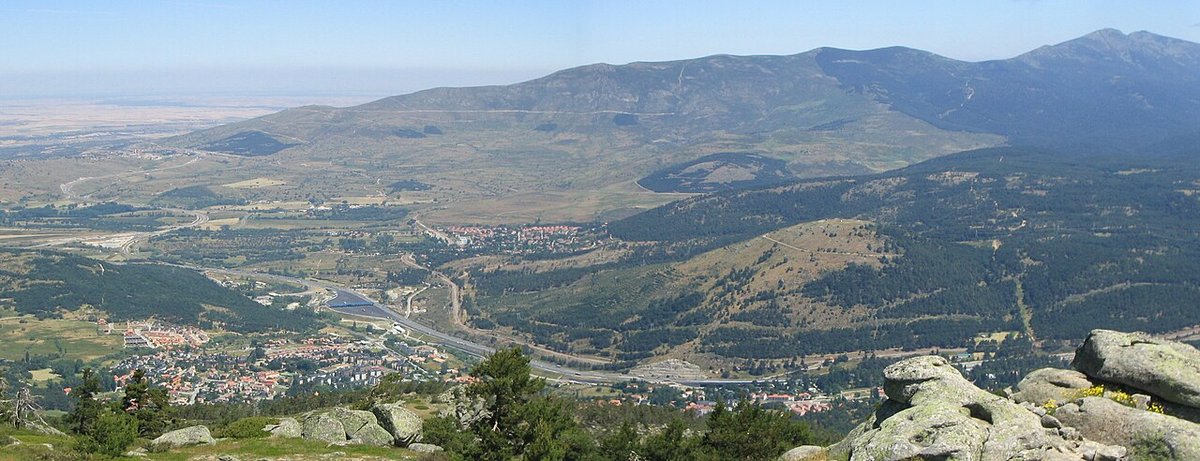
Godall lies inland in the Montsià region, slightly removed from the delta coastline and the traffic that runs along it. The village has around six hundred inhabitants and stands at about 170 metres above sea level, surrounded by an agricultural plain dominated by olive groves, with some almond and carob trees mixed in. The landscape is not lush. It is restrained, with dark green tones, reddish soil and the nearby outline of the Serra de Godall closing off the horizon.
In the centre, most houses rise two storeys high, with pale façades and wooden doors that open directly onto the street. Many keep small wrought-iron balconies where towels dry and tablecloths are aired out. Early in the afternoon, when the sun hits the whitewashed walls head-on, the narrow streets are almost empty. The silence is broken only occasionally by a car passing slowly through the village.
Around Sant Jaume and the Main Square
The parish church of Sant Jaume stands at the heart of the village. It is not a monumental building but a solid stone construction that has undergone alterations over the centuries. Inside, light tones dominate, along with wooden pews worn smooth by years of use.
Around it stretches the main square, which becomes a meeting point towards the end of the day. Older residents sit and talk while children cycle across the open space. Nothing in particular happens, and that is precisely the point. The interest lies in watching the village move at its usual rhythm, without spectacle or performance.
Godall does not revolve around grand sights or headline attractions. Its centre functions as a lived-in space, where daily routines continue much as they always have.
Tracks Through Olive Country
The surroundings of Godall form a clear agricultural mosaic: olive trees, dirt tracks and small field huts scattered across the plain. Some of the olive trees appear very old, with twisted trunks and thick bark that suggest many harvests have passed beneath their branches.
Several rural paths begin at the edges of the village and can be followed on foot or by bicycle. They are not technical routes, nor especially long, but two practical points are worth bearing in mind. In summer, the sun is strong and there is very little shade. After rainfall, the tracks can become heavily muddied.
Following these paths makes it easy to link up with other villages in Montsià such as Masdenverge, Freginals or Ulldecona. The landscape remains consistently agricultural, though its colours shift with the seasons. In spring, wildflowers appear along the margins of the tracks and almond trees come into blossom. In autumn, activity in the fields increases as the harvest begins.
The Serra de Godall remains a constant presence on the horizon, shaping the sense of enclosure around the plain and reinforcing the feeling of being in the interior rather than on the coast.
Olive Oil and Seasonal Cooking
Olive oil is the defining product here. The municipality’s agricultural economy has traditionally revolved around olive cultivation, and that presence carries through into local cooking.
On tables in this part of Montsià, rice dishes are common, sometimes dry, sometimes more brothy in style. There are roasted vegetables, straightforward stews and snails prepared in various ways. These are substantial dishes, created to sustain long working days in the fields rather than to follow culinary trends.
The cooking reflects the agricultural calendar. Ingredients depend on the season and what is available locally. There is a sense of continuity between what grows in the surrounding fields and what appears on the plate.
Between the Interior and the Delta del Ebro
One of Godall’s advantages is its proximity to the delta del Ebro. The drive takes less than half an hour, and the change in scenery is abrupt. The dry, gently undulating interior gives way to an open plain where rice fields stretch across most of the horizon.
Many visitors choose to combine both areas in a single day. A quiet morning walk along inland tracks can be followed by an afternoon trip towards the wetlands of the delta, whether to observe birds or to head towards the coast. The contrast between olive groves and rice paddies highlights the diversity within a relatively small area of southern Catalonia.
Godall itself remains separate from the busier coastal strip. Its position slightly inland keeps it removed from heavier traffic and the flow of visitors concentrated along the shore.
Festive Days and Seasonal Changes
Although daily life in Godall is generally calm, there are moments in the year when the atmosphere shifts. During the summer, the village celebrates festivities dedicated to Sant Jaume, its patron saint. At that time the population increases, families return from elsewhere and the streets fill with music and organised activities.
In winter, Sant Antoni is usually celebrated, a tradition widely observed in inland towns across the province of Tarragona. In many places it includes the blessing of animals and small events centred around the main square. These occasions bring neighbours together and briefly alter the pace of village life.
Outside these festive periods, Godall returns to its usual quiet rhythm.
As for the best time to visit, spring is often well suited to walking in the surrounding countryside. Almond blossom appears and wildflowers line the paths between olive groves. Autumn also has its own character, as harvest time brings more movement to the fields and the scent of fresh olives lingers in the air. In the height of summer, starting early is advisable for anyone planning to walk, since the heat in inland Montsià can become intense from midday onwards.
Godall does not offer grand monuments or a spectacular historic quarter. What it does offer is something more understated: a working agricultural landscape that continues much as it always has, silent tracks between olive trees and a square where, as evening falls, the sound of neighbours talking still carries across the open space.