Full Article
about Lalbages
Ocultar artículo Leer artículo completo
The village that chose almonds over the coast
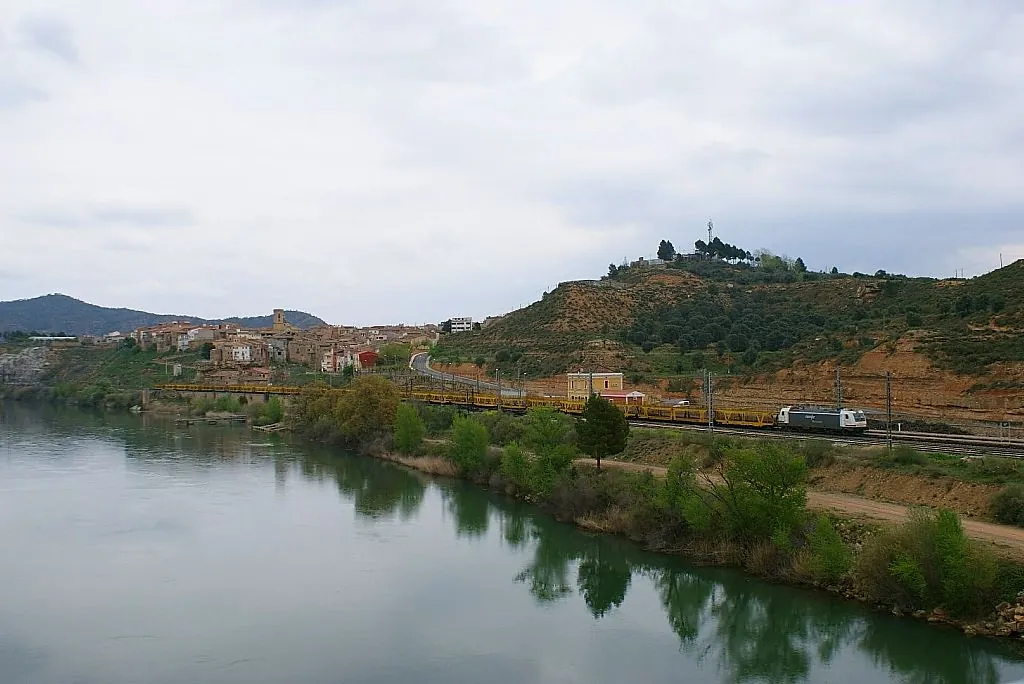
Most British visitors barrel down the AP-7 towards the Costa Dorada without realising they've just bypassed one of Catalonia's most deliberate decisions. L'Albagés sits 90 minutes inland from Tarragona's beaches, perched at 372 metres where the Ebro Valley starts its climb towards the Pyrenees. The locals didn't end up here by accident—generations ago they looked at the scrubby garrigue soil, calculated the 300 days of sun against 400 millimetres of annual rainfall, and planted almonds instead of sunloungers.
The result is a working village of 500 souls where tourism feels incidental rather than essential. There's no sea view, but February brings something the Mediterranean can't match: 300 hectares of almond orchards exploding into pink-and-white blossom that drifts across stone terraces like agricultural confetti. The spectacle lasts three weeks, weather permitting, and draws precisely zero coach parties.
Stone walls and olive oil economics
The village layout reveals its medieval bones immediately. Streets narrow to cart-width as they climb the hill, then widen unexpectedly into tiny plaças where the church bell measures time against agricultural cycles rather than British lunch hours. Houses are built from the same limestone they sit on—walls half a metre thick that keep interiors bearable when August hits 35°C, and equally effective when January nights drop to freezing.
This isn't heritage preservation; it's economic continuity. The cooperative still processes olives from surrounding groves, producing arbequina oil that sells for €12-15 per litre in local shops. During harvest season (November through January), the village smells of crushed olives and diesel from the picking machines. Visitors can sometimes tour the cooperative, but there's no gift shop—just a scale where farmers weigh their crop and a noticeboard listing daily prices.
The agricultural reality means L'Albagés operates on Spanish rural time. Bars open at 7 am for farmers, close at 11 am, reopen at 6 pm. Lunch happens at 2 pm, full stop. The only place serving food outside these hours is the petrol station on the C-12, five kilometres away.
Walking through 800 years of stone
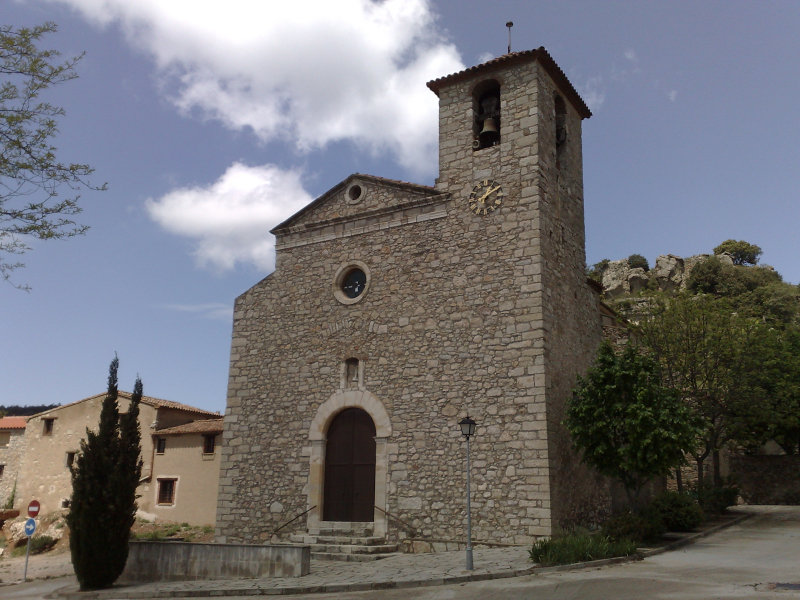
The best introduction is simply walking uphill from the modern cemetery at the village entrance towards the church tower. Within 200 metres, tarmac gives way to stone pavers worn smooth by centuries of boots. The church itself—Sant Pere—dates from the 12th century, though the current facade is 18th-century baroque practical rather than pretty. Inside, the surprise is the temperature drop: five degrees cooler immediately, with walls that still carry the memory of medieval incense mixed with more recent beeswax.
From the church plaça, three streets radiate outward. Take Carrer Major and you'll pass houses whose stone doorways still bear mason's marks—symbols carved 400 years ago to identify which builder got paid for which wall. Number 14 has a particularly fine example: a star-and-crescent that predates the Reconquista, suggesting either remarkable religious tolerance or simply a mason who liked the design.
Ten minutes beyond the last house, the landscape opens into the agricultural matrix that defines les Garrigues. Dry-stone walls divide terraces planted with almonds and olives, each tree precisely spaced to maximise water collection. The walking is easy—farm tracks wide enough for tractors—but carry water. This is semi-arid country; streams run only after storms, and shade is theoretical rather than actual.
When to visit and when to stay away
Spring (March-May) offers the best compromise between decent weather and bearable crowds—though in L'Albagés, "crowds" means you might have to share a restaurant table. Temperatures hover around 20°C, ideal for walking the 8-kilometre circuit to Vinaixa village and back. The almond blossom is gone, but wild thyme and rosemary flower between terrace walls, turning evening walks into aromatherapy sessions.
Summer brings fierce heat. July and August regularly exceed 35°C, and the village's stone houses act like storage heaters. Accommodation options are limited anyway—two rural houses and a room rental above the bakery—so most sensible visitors stay away. Those who don't learn why Spanish villages empty at midday.
Autumn (September-November) means harvest. The olive oil is fresh, the air smells of fruit, and temperatures drop to walking-friendly levels. This is also when the village refills—Catalan families return for weekend visits, filling the bar and creating the year's only accommodation crunch. Book ahead, or better yet, visit midweek.
Winter is honest. Days can be glorious—15°C and crystalline light across the plains—but nights drop below freezing. The village feels closed, half the houses shuttered against the tramuntana wind that barrels down from the Pyrenees. Some bars don't bother opening. The cooperative runs regardless—olive oil waits for no one.
The practical bits they don't put in brochures
Getting here requires a car. The nearest train station is 30 kilometres away in Les Borges Blanques, served by a daily service from Barcelona that takes two hours and costs €12. From there, taxis cost €35—if you can find one. Driving from Reus airport takes 75 minutes on the A-2, then the C-12 towards Lleida. Petrol stations are scarce; fill up in Tàrrega.
The village has no cash machine. The nearest is in Vinaixa, 8 kilometres away, and it sometimes runs out of money at weekends. Most businesses prefer cash anyway—cards add 3% to transactions, and Spanish banks charge rural merchants heavily for the privilege of digital payments.
Accommodation runs €60-80 per night for two people in the rural houses, including breakfast that features local almonds and honey. The bakery does excellent coffee and pastries for €3, but closes at 1 pm sharp. Dinner options are the bar (basic tapas, €15-20 per person) or self-catering from the tiny supermarket that stocks local cheese and wine from the neighbouring village.
The bottom line
L'Albagés won't change your life. It offers no Instagram moments, no souvenir shops, no curated experiences. What it does provide is the increasingly rare opportunity to see how Catalan agricultural villages functioned before tourism became their primary crop. The stone walls, the harvest schedules, the way locals nod good morning even to obvious outsiders—this is continuity rather than performance.
Come for the almond blossom if you must, but stay for the education in how Mediterranean farming communities adapted their lives to soil and climate over eight centuries. Just remember to bring cash, water, and realistic expectations. The village was here before you arrived, and it'll be here after you leave—probably producing some of the best olive oil you've ever tasted, whether you're around to buy it or not.