Full Article
about Laldea
Ocultar artículo Leer artículo completo
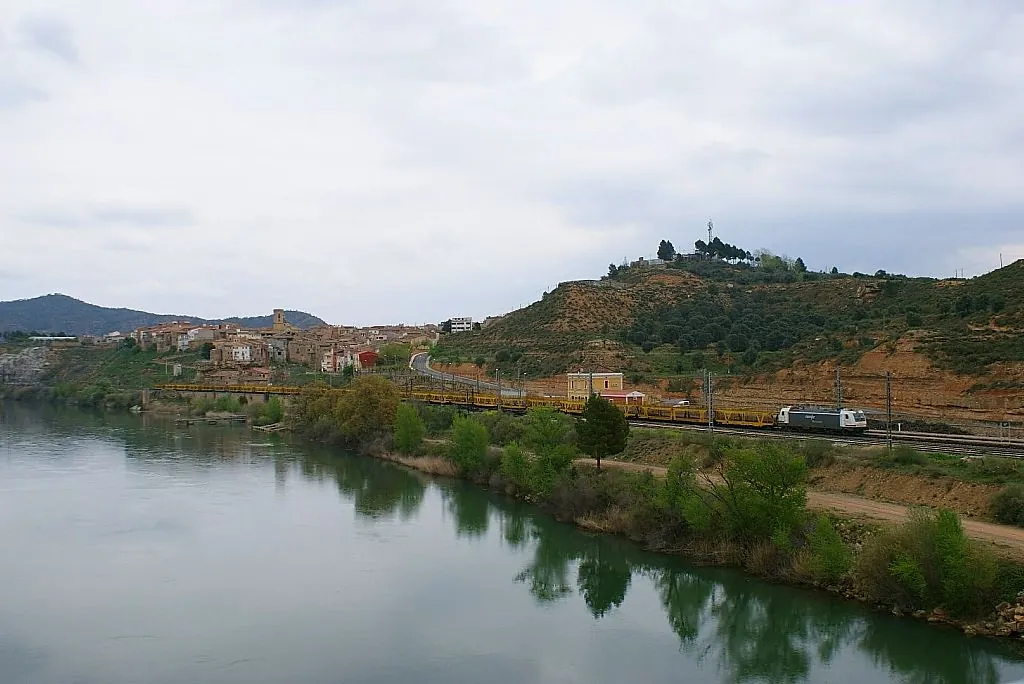
The train pulls in at 9:47 AM. Passengers step onto the platform at L'Aldea's station, then realise they're still two kilometres from anywhere. The village itself sits on the horizon, a low cluster of terracotta roofs floating above an ocean of green rice shoots. This is the Ebro Delta's front door, though you'd never guess from the empty car park.
L'Aldea doesn't announce itself. At nine metres above sea level, it barely rises above its own crops. The place functions as a working agricultural depot rather than a tourist showcase, which explains why British visitors remain scarce. Those who do arrive tend to be either cyclists following the EuroVeló 8 route or motorists breaking the journey between Barcelona and Valencia. Both groups discover something unexpected: a landscape that behaves more like Southeast Asia than Mediterranean Spain.
The Geometry of Rice
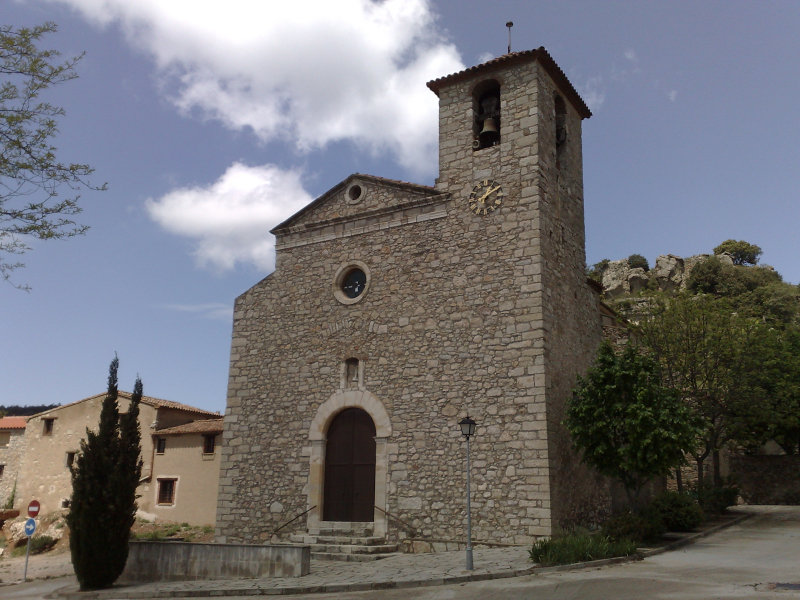
The village grid makes sense once you understand tractors need turning circles. Streets run ruler-straight, wide enough for combine harvesters to navigate without clipping wing mirrors. The church of Sant Jaume anchors the centre, its 18th-century neoclassical facade bleached almost white by delta sun. Around it, houses stand two storeys maximum—any higher and the wind coming off the rice fields would whistle through roof tiles like a recorder.
That wind carries more than sound. From May through October, mosquitoes arrive in squadrons. Local chemists sell repellent at motorway-service prices for good reason. The rice fields, flooded ankle-deep for most of the growing season, create perfect breeding conditions. Dawn and dusk become indoor activities unless you've come prepared.
Yet the same water transforms the landscape hourly. Morning turns fields into mirrors, reflecting clouds so perfectly that horizon lines disappear. By midday, heat shimmers create mirages of floating villages. Farmers navigate between plots on narrow dykes, their movements choreographed by irrigation schedules older than most European capitals.
What Grows Here
The cooperative warehouse on the outskirts handles 4,000 tonnes of rice annually. Bomba variety commands premium prices in Barcelona restaurants, but locals prefer the everyday bahia for its reliability in caldoso stews. Drive the back roads during late September harvest and you'll see grain trailers queuing like airport taxis, each weighed before disgorging their cargo into concrete silos.
Roadside stalls sell more than rice. Purple-veined artichokes appear from February to April, each one the size of a cricket ball. Tomatoes arrive in June, irregular and scarred but tasting of actual tomato rather than refrigerated disappointment. The bakery keeps unmarked jars of orange-blossom honey behind the counter—two euros buys enough to make supermarket equivalents taste like sugar water.
Eating here requires adjustment to rice timings. Restaurants serve lunch until 3:30 PM, after which kitchens close until 8:30 PM minimum. Bar Nou stays open through the afternoon siesta, dispensing coffee and brandy to farmers discussing water rights. Their arroz a banda arrives as brick-red broth studded with monkfish and mussels—closer to bouillabaisse than paella, designed for dipping bread rather than photographing.
Flat Earth Cycling
The delta's cycling credentials rest on absence rather than presence. No hills means no gradient training, but also no traffic. The regional government has painted bike symbols on agricultural service roads that see four cars per hour on busy days. From L'Aldea, signed loops head north towards Deltebre or east towards the coast. Both routes pass herons standing motionless in drainage ditches, wings tucked like folded umbrellas.
Serious birders bring telescopes; everyone else makes do with binoculars from the car hire company. Flamingos feed in shallow lagoons from April to October, their pink plumage surprisingly visible against green rice. Kingfishers dart between canal banks, metallic blue flashes that disappear before you can point them out to companions. The real show happens during autumn migration when thousands of ducks pause here before crossing the Pyrenees.
Kayak rentals operate from a hut beside the Canal de la Derecha, though you'll need to book ahead—there are six boats total. Paddling reveals a different delta, one where mechanical harvester noise fades behind reed rustle and turtle plops. The water moves sluggishly, carrying rice husks and dragonflies toward the Mediterranean twenty kilometres downstream.
When the Fields Burn
September's Rice Festival coincides with harvest's final push. The village quadruples in population for three days as farming families return from summer coastal rentals. Giant paella pans appear in the main square, each one requiring logs the size of fence posts. Children race tractors between events, their parents comparing crop yields over plastic cups of vermouth.
January brings Sant Antoni, when bonfires consume Christmas trees and agricultural waste simultaneously. The tradition predates recycling bins by several centuries. Locals roast sweet potatoes in fire embers while blessing their pets in the church doorway—dogs, certainly, but also hunting ferrets and the occasional pet tortoise wrapped in blankets against evening chill.
Both festivals book accommodation solid. The single three-star hotel fills first, followed by rural cottages scattered among the rice fields. Prices double during these weekends, though they start from such a low baseline that British visitors still consider them reasonable. A double room costs €65 in November, €120 during festival weekends.
The Practical Reality
Getting here without a car requires patience. The train station sits on the Valencia-Barcelona line with hourly services, but taxis need pre-booking. Walking the two kilometres into town proves pleasant in March, suicidal in August when asphalt softens under 38-degree heat. Car hire from Reus airport takes forty minutes on the AP-7, though beware the toll—€11.35 each way adds up over a fortnight.
Shops observe Spanish hours with Catalan modifications. The bakery closes Monday, the small supermarket closes Sunday afternoon, and the petrol station shop sells everything except fresh vegetables. Sunday lunch options reduce to Bar Nou or nothing—their €12 menu includes wine and dessert, but arrives with the speed of continental drift.
Evening entertainment means choosing between three bars or counting rice trucks from the terrace. Amposta, fifteen minutes north, provides cinemas and late-night bars for those requiring urban stimulation. L'Aldea itself switches off around 10 PM, when even the streetlights seem to dim respectfully.
This isn't a village that entertains visitors so much as allows them to witness agricultural life continuing regardless. Come for the landscape's seasonal transformations, stay for honey sold in recycled jars, leave before the mosquitoes discover fresh British blood. The rice will still be growing long after your flight home.