Full Article
about Lametlla De Mar
Ocultar artículo Leer artículo completo
Dawn comes in with diesel and salt
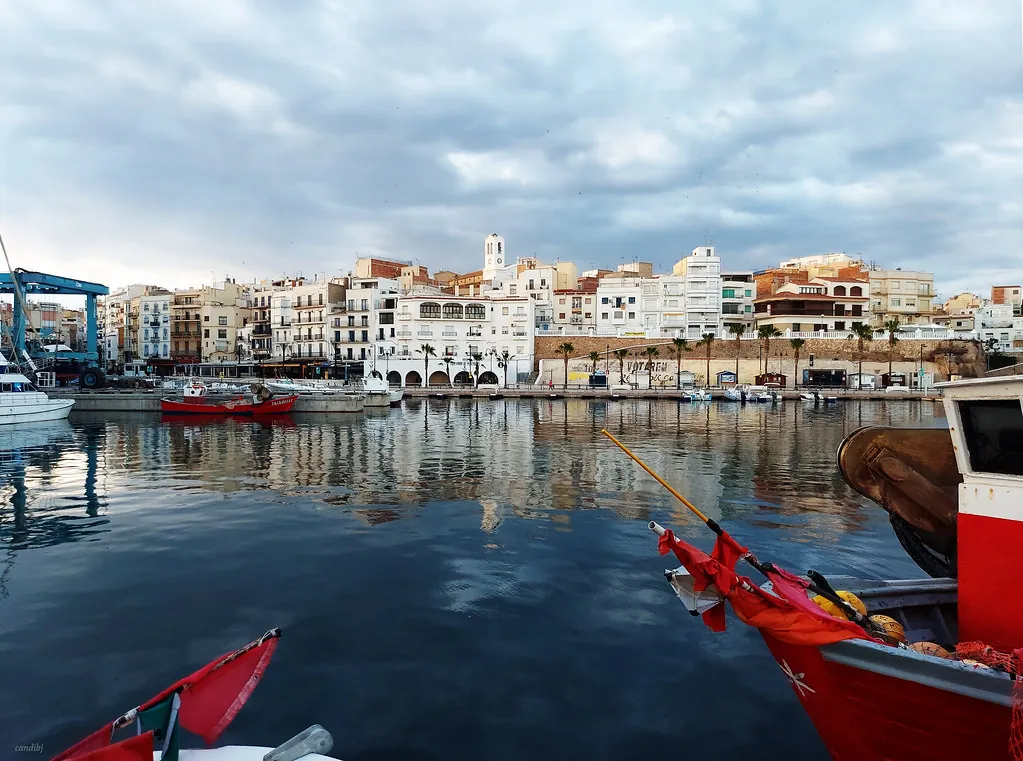
At six-thirty the harbour loudspeaker crackles, a metal gate rolls up, and the first wooden crates of red scorpion-fish hit the weigh-bridge. Nobody advertises this moment to visitors, yet it is the village alarm clock. L’Ametlla de Mar—half-way between Tarragona and the Ebro Delta—has fourteen kilometres of coves, but its heartbeat is still this daily auction on the inner quay. You can watch the bustle through the railings: white-booted crews hosing decks, restaurant buyers checking gills with torch-light, a forklift spinning on the slick concrete. No ticket required, only an early rise.
Staying in one of the low villas that climb the ridge behind, you will hear the engines before you see the sea. The town sits almost at water level, so sound carries upwards like news. That matters, because tourism here is secondary: boats outnumber holiday flats in winter, and the council chamber faces the fleet, not a promenade of Irish pubs. The result is a working soundtrack—mooring ropes slapping masts, the gulls that follow the tuna carrier Santa Elisabet—beneath which everything else arranges itself.
Coves that ask for effort, beaches that forgive
Guidebooks like to count the calas—thirty-odd, depending who is tallying—but the useful distinction is whether you can reach them with a pushchair. Platja de l’Alguer, a five-minute shuffle from the old centre, has showers, loos and a shack renting SUP boards at €12 an hour. It also has rows of sun-loungers and August weekend crowds that would shame Bournemouth. Turn the other way and the deal changes.
Cala Forn, five minutes by car down a lane no wider than a Surrey lane, offers a horseshoe of coarse sand ringed by pines that smell of warmed resin when the sun climbs. Depth drops quickly, so snorkellers drift over posidonia meadows rather than wading forever through toddler shallows. Cala Mosques, further south, demands a ten-minute scramble over limestone slabs; bring rubber-soled shoes unless you fancy limping home. The reward is water so clear you can read the time on a waterproof watch at eight metres. Mobile signal dies halfway down the path—some guests consider that a second reward.
Between coves the original Camí de Ronda patrol trail still runs. A late-afternoon walk north-east to Cala Llobeta takes forty minutes, just as the limestone turns amber and the pine trunks glow like whisky. The route is signed but rough: a couple of short ladders, one exposed edge. Flip-flops will not do; trainers or light walking shoes are enough. You will meet more locals than tourists, often carrying snorkels in one hand and a supermarket cool-bag in the other.
What arrives on ice ends up on plates
Evenings start late. Fishermen finish mending nets at seven, so kitchens rarely heat up before nine. The harbour strip is not picturesque in a postcard sense—concrete boxes painted salmon and turquoise—but the product is forty hours fresher than anything flown to Borough Market. At Mò, a corner bodega with four outside tables, the tuna tataki arrives seared for eight seconds, centres still maroon, dressed only with local olive oil and a squeeze of Mont-roig lemon. Children who claim to hate fish have been spotted scraping the plate.
If you prefer cutlery and high-chairs, El Molí occupies an old olive mill two streets back. Arroz negro (cuttlefish ink paella) is milder than it looks—no harsh iodine punch—though ask for “sense gambes” if shellfish triggers allergies. Fideuà, the short-noodle cousin of paella, is easier for toddlers to spoon. House white from Terra Alta comes in litre carafes for under €5; it is crisp, almost Txakoli-light, and solves the midday heat better than sangria ever managed.
Market day is Wednesday morning on Passeig Marítim. Stalls sell only what swims or grows within fifty kilometres: prawns still snapping, tomatoes the size of cricket balls, and those refillable wine bottles that make British health-and-safety officers wince. Pack a cool-bag in the hire car; by early afternoon the mercury can top 34 °C in July, and fish travels badly.
A car helps, but the train can work
Reus airport, 45 minutes north, gets summer flights from Manchester, Birmingham and Gatwick on Ryanair and Jet2. Barcelona is an extra hour up the AP-7, yet often cheaper and better for car-hire choice. Either way, you need wheels unless you are content with l’Alguer beach and the harbour restaurants. The coast road—C-31b—twists through pine plantations to each signed cove; parking is free but fills by ten-thirty in August.
Non-drivers can still survive. Regional trains stop at L’Ametlla de Mar station twice an hour in season; the ride from Barcelona-Sants is two hours, from Tarragona 45 minutes. Taxis wait on the forecourt and a ride to Cala Forn costs about €12. Bikes are rentable at the marina, though the hills inland are short and sharp—think Devon rather than Holland. Scarlet t-shirts of the “Tuna Tour” catamaran advertise the one excursion British families repeatedly praise: a three-hour sail with a biologist, a swim among blue-fin tuna bred in offshore cages, and juice for children while parents sip cava. It leaves at ten, returns for lunch, costs €35 for adults, €20 under-12s.
Winter keeps its own rhythm
Come November the beaches empty, yet the auction continues and the old town keeps its lights on. Temperatures hover around 16 °C—Cardiff with better bread. Many restaurants shut Mondays, but enough stay open for locals to sustain a social life. The short days reveal another advantage: sunrise over the sea happens after eight, so photographers get epic shots without a 5 a.m. alarm. Hikers can walk the full Camí de Ronda to the Ebro Delta in cool air, meeting only the odd fisherman collecting urchins from rock pools.
Rain arrives in sudden, theatrical bursts. Because the town is low-lying, streets drain fast; the harbour turns chocolate for an hour, then Mediterranean cobalt again. If the tramontana wind blows, catamarans stay lashed to the quay and the smell of pine resin sharpens. It is not bikini weather, yet self-catering villas drop to £80 a night and supermarkets resume civilised Spanish hours—no need to sprint before the siesta shutter falls.
The honest verdict
L’Ametlla offers no water-parks, no karaoke mile, no all-you-can-eat English breakfast at every corner. That is precisely why some families return year after year. You trade convenience for authenticity: beaches require shoes, waiters may not speak fluent English, and August is busier than you hoped. Yet the pay-off is Mediterranean life still timed by diesel engines and the auctioneer’s chant rather than the tour-bus schedule. Bring rock-shoes, a phrasebook and a cool-bag. Leave the stag-party T-shirt at home.