Full Article
about Larboc
Ocultar artículo Leer artículo completo
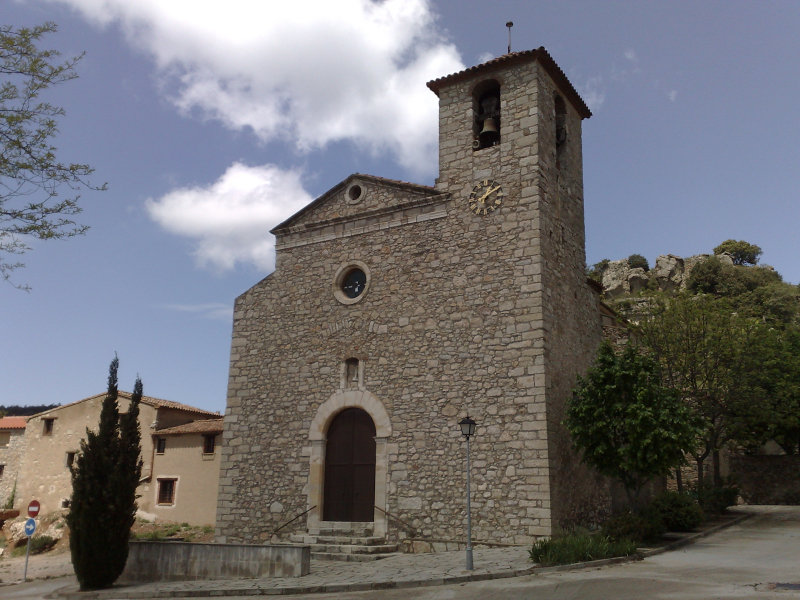
The tractors start at half six. Not the gentle purr of a village mower but proper farm machinery rattling past bedroom windows as the first light hits the 18th-century stone of Sant Julià church. By seven, the baker on Carrer Major has the day's pa de pagès out, still too hot to slice, and the bar on the corner is pulling espressos for vineyard workers who'll be pruning xarel·lo vines by eight. This is L'Arboç before the guidebooks wake up – a working town of 5,713 souls that happens to sit in the middle of one of Spain's best wine patches, 166 m above sea level and exactly 10 km from the nearest whiff of salt spray.
Morning mist and midday menus
Elevation matters here. Night-time temperatures drop enough to keep the grapes' acidity bright, but the day-to-day difference for visitors is simpler: you'll need a jumper until April, even when Barcelona locals are on the beach. The altitude also explains why the landscape rolls rather than soars; cycle tracks signed as "plà" still deliver thigh-burning gradients if you tackle them after a three-course menú del dia. That lunch, by the way, runs €14–16 mid-week and is served promptly between 13:30 and 16:00. Turn up at 16:05 and the kitchen is closed – no exceptions, no apology, just a shrug that says "should have been quicker".
Most visitors arrive with half a plan to "do wine". The logical first stop is the Centre d'Interpretació de la Vinya i el Vi, a single-floor exhibition squeezed into the old town hall. Labels are Catalan-first, but staff hand out English leaflets without being asked. Twenty minutes inside teaches you why the local macabeu grape smells of green apples and why cava producers prize this particular slope. Entry is free; the donation box funds school trips rather than marketing gloss, so the place feels closer to a village museum than a cellar-door sales pitch.
Bottles, bikes and the Monday shut-down
From the centre it's a five-minute walk to Casa Sola, a family bodega that has been fermenting since 1890. Tours run at 11:00 and 17:00, cost €12, and end with three pours: a still xarel·lo, a rosat made from trepat, and a brut nature cava drier than anything Tesco stocks. They'll sell you the bottle for €7; bubble-wrap is provided because British cabin baggage is clearly anticipated. Book ahead – groups are capped at twelve and September harvest slots vanish first.
If you prefer pedals to palates, the tourist office (open Tuesday to Saturday, morning only) lends out free route maps. The shortest loop, 14 km on quiet farm tracks, swings past Mas Truc, a 16th-century fortified farmhouse now used to store tractors. Nobody charges admission; you simply lean the bike against the wall and peer through the arch at threshing floors older than the Union Jack. Longer routes reach neighbouring villages – Banyeres for modernist cellers cooperatius, Bellvei for a riverside picnic – but carry two water bottles; stone troughs labelled "aigua potable" are reliable, yet the next tap may be 8 km on.
Back in town, Monday is dead. The lace museum (yes, really – L'Arboç once supplied mantillas to Seville) locks its doors, the bakery shutters stay down until 17:00, and the single cash machine runs out of notes by lunchtime. Plan accordingly: fill the hire-car tank on Sunday and withdraw enough cash for coffee. Cards are increasingly accepted, but the forn still prefers coins, and the nearest free ATM is a 14-minute drive to El Vendrell.
Food that doesn't shout
Evenings centre on the arcaded Plaça de l'Església. Tables appear at 19:30, earlier than coastal Spain but later than British stomachs expect. Can Xarru does the best-value fideuà in the comarca – short, thin noodles toasted in squid ink, served in the same steel pan it was cooked in. A portion for two costs €18 and feeds three if you order croquetes first. Their wine list is local, mark-ups modest; the house blanc de blancs comes from a vineyard you cycled past that morning. Vegetarians have two choices: escalivada (smoky aubergine and pepper) or samfaina, a ratatouille that arrives lukewarm because Catalans believe hot vegetables kill flavour. Ask for "sense peix" if you want the rice without shellfish stock; the kitchen understands the word "veggie" but replies in Catalan all the same.
Puddings rarely stray beyond crema catalana, here flavoured with lemon peel rather than cinnamon. It tastes like the love-child of crème brûlée and a Mr Kipling treacle tart, and is gone in four spoonfuls. Coffee afterwards is proper espresso; request a "café amb llet" if you need milk, but don't expect a bucket of latte.
Festivals, fireworks and the ferry home
Time your visit for late August and you'll collide with the Festa Major. The programme is printed only in Catalan, yet the gist is universal: brass bands at 23:00, castellers forming a seven-tier human pyramid on Saturday evening, and a community paella that needs 400 kg of rice and a fire engine's worth of stock. Tourists are welcome but not announced; buy a €5 raffle ticket from the elderly woman with the plastic bucket and you'll be entered to win a ham. November brings the Fira del Vi, a one-day wine fair inside the modernist market. Entry is €10 and includes a tasting glass you keep; spittoons exist but are largely ornamental.
Leaving is straightforward if you have wheels. Reus airport is 45 minutes down the C-51, Barcelona 75 if the AP-7 behaves. Drop the car, check in, and by the time you reach the departure lounge the only evidence of L'Arboç is the bottle of cava wrapped in dirty laundry and the faint smell of tractor diesel on your walking boots. It isn't spectacular, it isn't hidden, but it is real – and for a Monday-morning taste of inland Catalonia, that's more than enough.