Full Article
about Lespluga Calba
Ocultar artículo Leer artículo completo
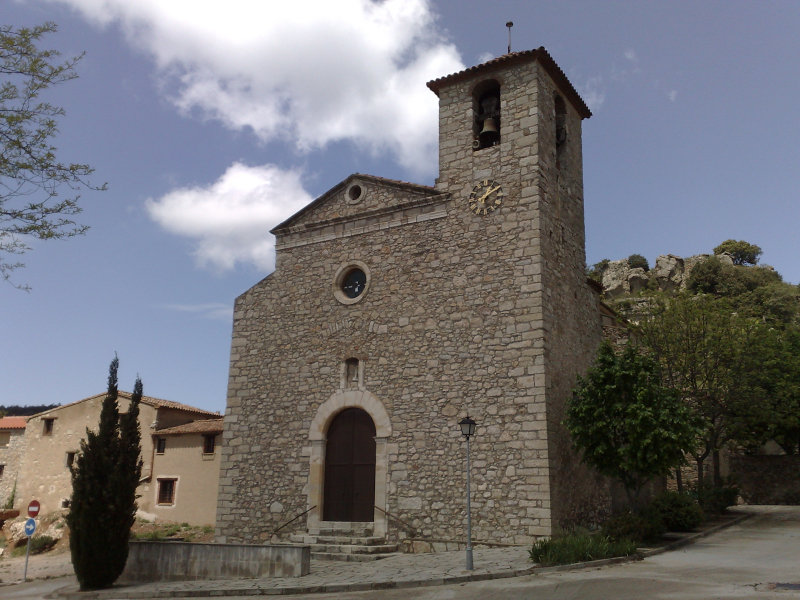
The church bell strikes noon and nobody appears. Not a soul emerges from the stone houses lining Carrer Major. Even the village dog has clocked off for siesta. This is L'Espluga Calba at midday, 434 metres above sea level in Catalonia's interior, where silence hangs as thick as the summer heat.
Three hundred and twenty-four residents call this place home. They live scattered among olive groves that stretch to every horizon, some trees older than the houses themselves. The local arbequina variety produces oil so delicate it barely burns the throat, yet commands prices that would make a Waitrose buyer blink. In autumn, when harvest begins, the village rhythm shifts. Tractors rumble through narrow streets hauling trailers piled with purple-black fruit. The cooperative press in nearby Arbeca works through the night, filling the valley with the scent of fresh oil and wood smoke.
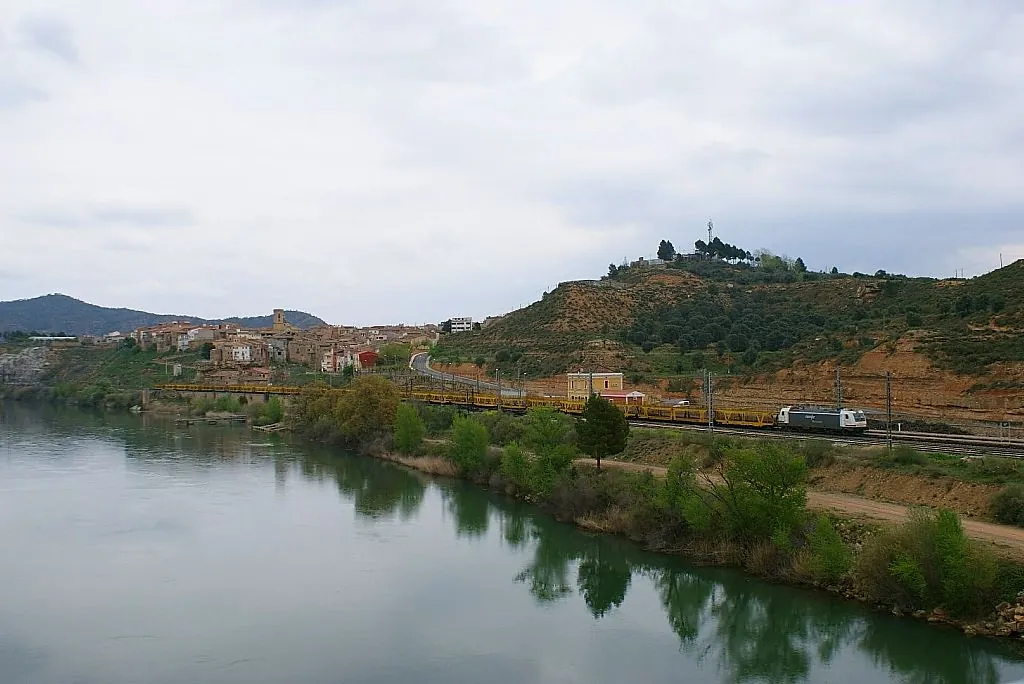
Getting here requires commitment. From Barcelona, it's ninety minutes on the AP-2 motorway, then another twenty twisting through scrubland that turns from green to ochre as the altitude climbs. The final approach reveals the village proper: a cluster of stone buildings clinging to a ridge, surrounded by terraces dry-stacked five centuries ago. There's no train station. No bus service worth mentioning. Hire cars are essential, preferably something with decent suspension. The road from Bellpuig, though recently resurfaced, still narrows to single track in places where two Fiats couldn't pass without wing mirror diplomacy.
The altitude changes everything. While the Costa Brava swelters under beach towels, L'Espluga Calba catches whatever breeze drifts across the inland plains. Summer mornings start cool, often misty, burning off by eleven to reveal temperatures five degrees lower than Barcelona. Winter tells a different story. At 434 metres, frost arrives early and stays late. January mornings can drop to minus six, turning the red earth white and making those stone houses feel more like fridges than homes. Several hotels in the region close from November through March, not for lack of visitors, but because pipes freeze solid.
Walking starts from the church square, where elderly locals gather at sunset with the dedication of clockwork. They occupy the same benches every evening, discussing rainfall and olive prices in rapid-fire Catalan. The language barrier dissolves quickly here; gestures and patience bridge most gaps. Head north on the Camí de la Serra, a farm track that climbs gently through almond groves. After forty minutes, the path crests a ridge revealing the whole of Les Garrigues spread below. On clear days, Montsant's jagged profile cuts the horizon sixty kilometres away. The view comes with no safety barriers, no admission charges, no ice cream vans. Just stone, sky, and the occasional griffin vulture riding thermals overhead.
The village itself offers limited formal accommodation. Hostal Cal Fuster has six rooms above the only bar, each with ceilings high enough to swallow sound and beds that have supported generations of agricultural workers. Rates hover around €45 per night including breakfast: strong coffee, crusty bread rubbed with tomato, and local oil that stains the plate green. Book by telephone. They don't do online reservations, or indeed answer emails. Payment is cash only, preferably in exact change.
For sustenance beyond breakfast, options narrow further. The bar serves tapas from six until nine, though calling them tapas flatters what's essentially good ingredients treated simply. Try the pa amb tomàquet with anchovies, or if feeling adventurous, the caragols a la llauna – snails baked with garlic and paprika that taste more of the countryside than any farm shop back home. The village shop opens sporadically, stocking basics like tinned tomatoes and washing powder alongside local honey and almonds. For proper supplies, drive to Les Borges Blanques, fifteen minutes down the hill where supermarkets operate on recognisable schedules.
Photographers arrive chasing golden hour shots of ancient olives, their trunks twisted into shapes that would shame a Henry Moore. The light here possesses clarity found only at altitude, cutting shadows sharp as knives across terraced hillsides. Yet the same landscape that looks magical at dawn becomes harsh by midday. Summer sun bleaches colour from everything, turning the famous red earth pink, then white. Smart visitors rise early, retreat indoors during the furnace hours, then venture out again as shadows lengthen. Winter offers softer illumination but brings its own challenges. Mist can blanket the valley for days, reducing visibility to metres and making those unmarked paths genuinely dangerous.
The Fiesta Major in mid-August transforms the village entirely. Population swells to perhaps a thousand as former residents return from Barcelona, Tarragona, even London. The church square hosts Sardana dancing, where locals link hands and step in circles that look simple until you try joining in. A mobile bar appears, serving beer and vermouth until two in the morning. Fireworks echo off stone walls at decibels that would trigger noise complaints back home. For three days, the silence that defines L'Espluga Calba disappears completely. Then Monday arrives, cars loaded with suitcases and grandchildren, and the village exhales back towards hibernation.
This is not a destination for ticking off sights. The Moorish castle ruins require imagination more than entrance fees – basically a pile of stones with views. The church interior, opened only for Saturday evening mass, reveals nothing that Barcelona's cathedral doesn't do better. Instead, L'Espluga Calba offers something increasingly rare: a place where agricultural time still dictates the rhythm, where lunch happens at two because that's when fieldwork pauses, where neighbours notice unfamiliar cars and wave anyway.
Come prepared. Bring walking boots with ankle support – those dry-stone terraces have gaps that could swallow a foot. Pack layers regardless of season; mountain weather shifts faster than British politics. Download offline maps before arrival – mobile signal vanishes in valleys between villages. Most importantly, adjust expectations. This is working countryside, not a theme park. Farmers won't pause tractors for photographs. The shop might close because someone's grandmother needs collecting from hospital. Your holiday is their Tuesday.
Leave before dawn on departure day. Watch the village wake as you drive away: lights flicking on in farmhouses, smoke curling from chimneys, the first tractors heading to fields that have sustained families since records began. In the rear-view mirror, L'Espluga Calba shrinks to a handful of lights against black hills, then disappears entirely. Back on the motorway towards Barcelona, the silence of those olive groves follows you south, a reminder that some places remain stubbornly, gloriously, themselves.