Full Article
about Lespluga De Francoli
Ocultar artículo Leer artículo completo
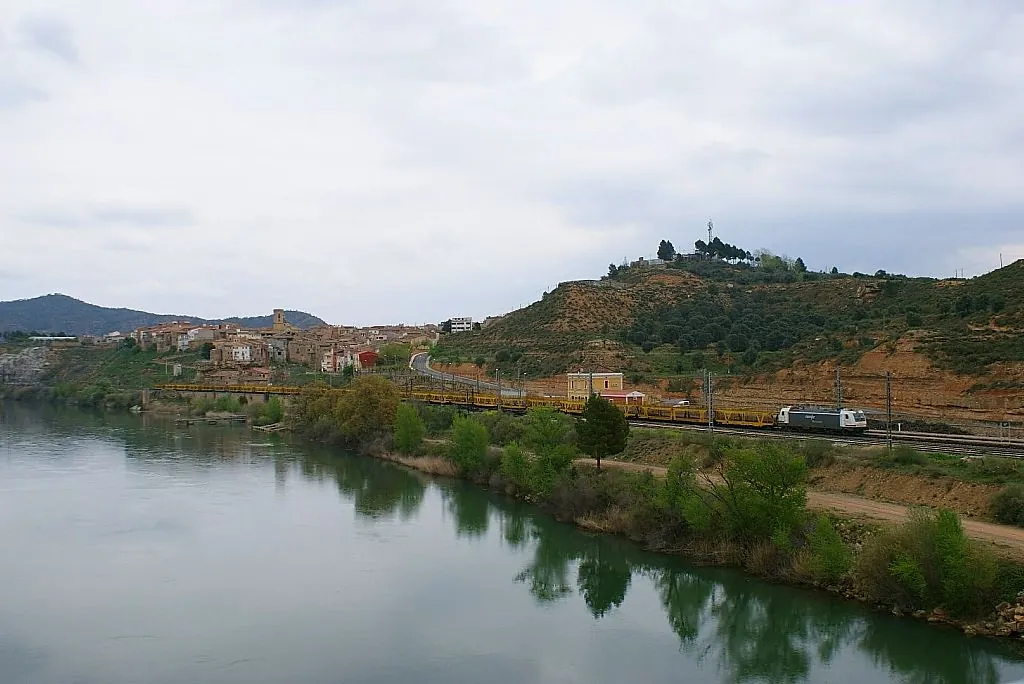
The 08:03 from Barcelona-Sants slips past olive groves still silver with dew and pulls into L’Espluga-Francolí at 09:58. The station is smaller than most suburban platforms: two benches, no ticket machine, and a single loudspeaker that crackles the same Catalan phrase whether the train is early or late. From the halt it’s a 1.3 km climb into the village proper; the road curves past allotments where elderly men in flat caps fork soil the colour of burnt umber, and the air smells of wet slate and wood smoke.
At 411 m above sea level the place is neither mountain eyrie nor coastal retreat, but something more useful: a working town whose daily rhythms revolve around schools, vineyards and the 11 o’clock coffee break. Tourism happens here, yet it is not the local currency. You will hear Catalan first, Spanish second, and English only if you have emailed the cave guide the day before.
Stone, Wine and a River That Vanishes
The name gives the game away. “Espluga” derives from the Catalan for cave, and the Font Major system beneath the houses is one of the largest mapped labyrinths in Catalonia: 3.5 km of galleries scooped out by the Francolí river over two million years. Hour-long tours leave on the dot; helmets are handed out not for dramatic effect but because the ceiling dips to 1.6 m and the floor stays slick year-round at 14 °C. Expect underground lakes so still they act as liquid mirrors, and stalagmites that look like melted church candles. Waterproof shoes are sensible; sandals will earn a disapproving glance from the guide.
Back on the surface the same water once powered mills and filled the stone cisterns that supplied every household until the 1960s. Follow Carrer de la Riera and you can trace the dry riverbed where the town’s laundry slabs still sit, carved with grooves that held washing boards in place. On Thursdays the municipal market spreads across the tiny plaça; locals haggle over calçots (fat spring onions) and bunches of thyme that cost €1 for a fistful.
A Museum That Smells of Tractor Oil
Five minutes uphill, the Museu de la Vida Rural occupies a 1919 agricultural co-operative designed by Pere Domènech i Roura, a pupil of Gaudí. The brickwork alone justifies the €7 ticket: soaring parabolic arches that turn a functional grain store into a cathedral of wine. Inside, the collection is mercifully free of interactive fluff. There are pitchforks with the original handles worn smooth, a 1950s seatless tractor that children are invited to climb, and a wall of black-and-white photographs showing women hand-labelling Cava bottles at speeds no machine has matched since.
Allow ninety minutes, longer if you are the sort who reads every caption. The temporary exhibition room often hosts displays on rural midwifery or the introduction of the mechanical loom; labels are in Catalan and crisp English. The attached café does a “full Catalan breakfast” – grilled botifarra sausage, fried egg and tomato-rubbed bread – that tastes like a distant cousin of a British fry-up, minus the beans.
The Monastery Next Door (and Why You Should Still Stay Here)
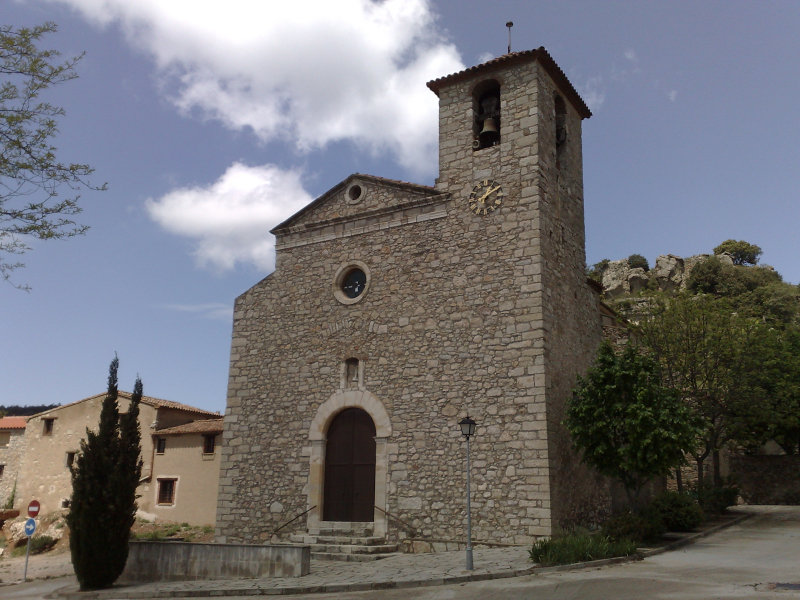
Guide-books tend to treat L’Espluga as the car park for Poblet, the Cistercian monastery four kilometres up the road. Royal tombs, rose-coloured stone, World Heritage credentials: Poblet deserves its billing. Yet the village rewards those who linger after the coach parties depart. At 13:30 the church bell strikes eight times – an old code announcing the hour of the Angelus – and bars fill with vineyard workers ordering vermut de grifo (€2.20 a glass) and plates of pickled anchovies. Try to pay with a €50 note and the barman will push it back as if it were counterfeit; cash machines live inside the pharmacy and the cooperative winery, nothing smaller will break your note.
Afternoons are for slow movement. The GR-175 long-distance footpath skirts the houses, then climbs through holm-oak woods to the Siurana ridge. The circuit to the ermita de la Consolació and back takes two hours; from the crest you can see the snow on the Pyrenees one way and the coastal telecom masts at Tarragona the other. Spring brings wild asparagus poking through the undergrowth; autumn smells of damp rosemary and gunshot as hunters pursue wild boar. Stout shoes suffice in dry weather; after rain the clay sticks like brick mortar.
Eating (and the Sunday Trap)
Kitchens shut early. Arrive at 14:45 on a weekday and you will be fed; come at 15:05 and the chef has already gone home. Ocell Francolí, opposite the tourist office, does a civet of wild boar whose sauce tastes of red wine and dark chocolate – rich but recognisable to British palates wary of chorizo everything. Calçotada season (Feb–Mar) means newspapers spread over tables, plastic bibs and charred onions dipped in romesco; reserve a day ahead or you’ll watch locals licking soot off their fingers while you nurse a bowl of almonds.
Pizza is the fallback for younger travellers. Gas Garage on Carrer Major fires a thin crust in a proper wood oven and uses buffalo mozzarella without fanfare. The cooperative winery shop sells young Macabeu white at €4.30 a bottle; it’s unoaked, lemon-sharp and travels well in a suitcase if you pad it with dirty laundry.
Getting Out Again
The last train north leaves at 20:03; miss it and the night bus to Barcelona departs at 22:45 but only on weekdays. Taxis switch off their metres around 19:00; the walk to the station is fifteen minutes uphill with street lighting that occasionally forgets to work. In winter morning fog can delay regional trains by twenty minutes; summer heat rarely bothers the line, though the platform shade is minimal – bring water.
Stay overnight and you’ll notice the silence. By 23:00 even the dogs have signed off, broken only by the clank of the cooperative’s metal shutters as the night watchman does his rounds. Rooms in the two small guest-houses cost €55–€70 including breakfast; expect stone walls, duvets thick enough for January and Wi-Fi that falters whenever someone streams football in the bar downstairs.
Worth It?
L’Espluga de Francolí offers no beach, no boutique hotels, no souvenir T-shirts. What it does provide is an unfiltered dose of interior Catalonia: a town where people still nod good morning, where the wine is bottled down the road, and where you can stand inside a mountain and hear nothing but dripping water. Come for the caves, stay for the market coffee, leave before the church bell sends children spilling into the square for noon break. One day is enough; two lets you exhale properly.