Full Article
about Vandellos I Lhospitalet De Linfant
Ocultar artículo Leer artículo completo
The first thing you notice is the switchback road leaving the AP-7: in four minutes flat you climb from sea level to 281 m, olive terraces tilting like theatre seats beneath you. One moment the Mediterranean glitters through car-hire windscreen; the next you’re in Vandellòs, where stone houses grip the ridge and the evening air smells of pine smoke and newly pressed arbequina oil. Dual personality is the point here—beach morning, mountain afternoon—yet the place refuses to bill itself as “two destinations in one”. It simply is two places, joined by a nine-kilometre ribbon of tarmac and a shared surname.
Salt on the Threshold
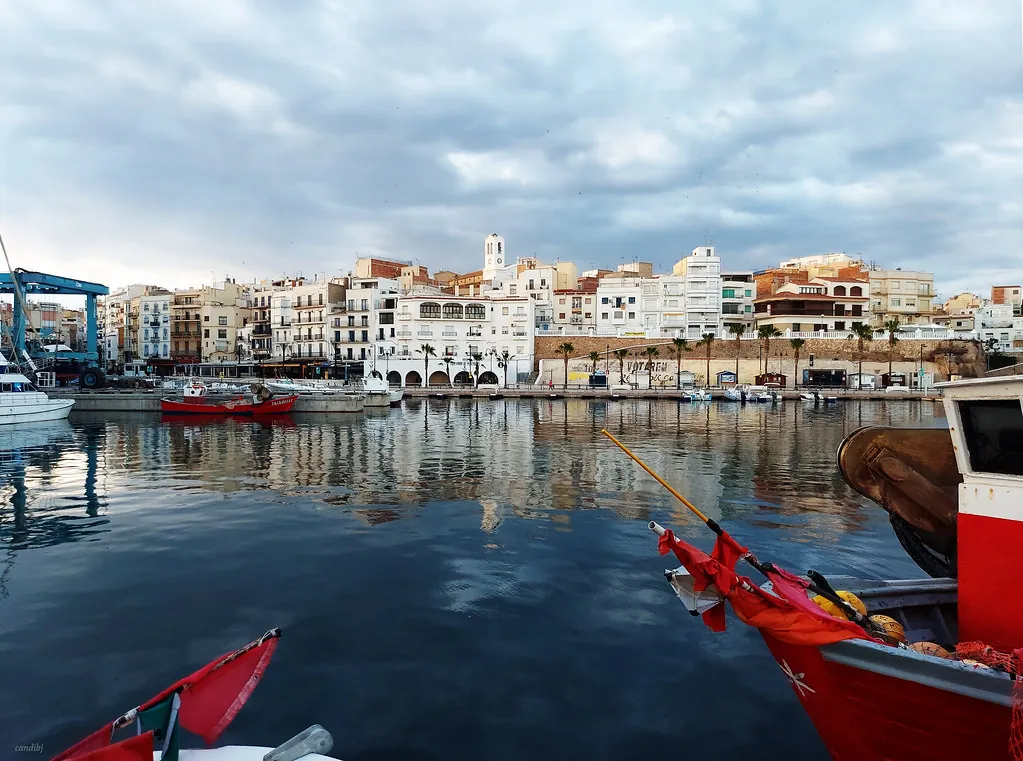
L’Hospitalet de l’Infant, the coastal half, stretches either side of a small river mouth now corralled into a yacht marina. The sand is proper Costa Dorada stuff: pale quartz that doesn’t scorch bare feet, sloping so gently that toddlers can paddle 30 m out without disappearing. British families colonise the Blue-Flag Arenal section for good reason—lifeguards speak serviceable English, volleyball nets are set up by 10 a.m., and there’s free parking behind the railway halt. Turn up on a Sunday in late September and you’ll share 600 m of sweep with perhaps a dozen dog-walkers and one determined Welsh wind-surfer still in short sleeves.
Walk south for 25 minutes and the promenade dissolves into the Camí de Ronda, a low cliff path that threads to calas where the rock is dark schist and the water turns bottle-green. Cala Vidre is the postcard, but Cala d’en Valls is the smarter snorkel—fewer flip-flop day-trippers, deeper drop-off, the occasional harmless jellyfish. Bring rubber shoes; sea urchins lurk under ledges and the shore is pebble, not powder.
Behind the seafront, the fourteenth-century hospital-fortress that gave the town its name still stands, more barn than castle. You can’t go inside—it’s the local library now—but the outer walls do a decent job of explaining why medieval pilgrims hugged the coast: from the roof terrace you watch the Ebro delta 40 km south and realise how far the next shelter was. The building is floodlit at night; the effect is subtle enough not to ruin star-gazing from the nearby chiringuito that serves grilled sardines for €7 a plate.
Up Among the Dry Stone
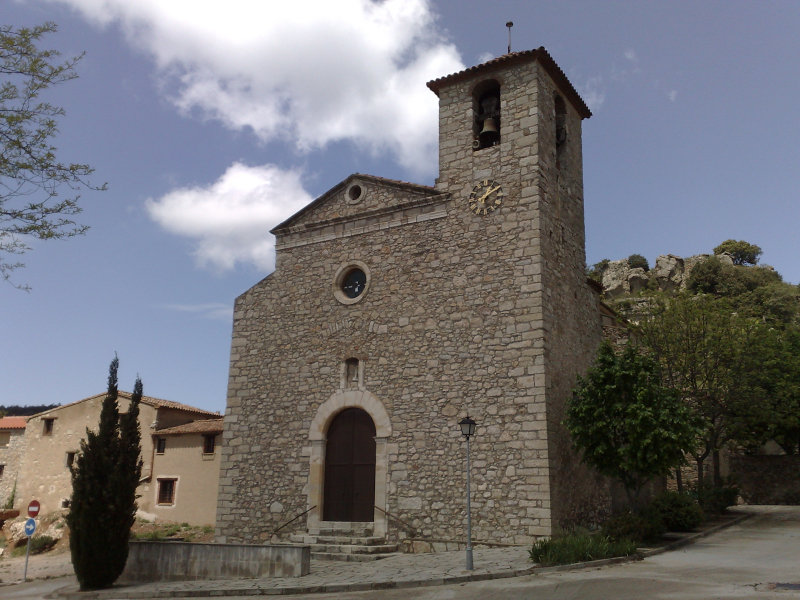
Vandellòs village, five minutes’ drive inland, feels like someone pressed the altitude button on a lift. Temperatures drop 4 °C, cicadas fade, and the streets narrow to single-track passages where catalan voices echo off stone. The parish church at the top is nothing special—baroque retouch of a Romanesque core—but the plaza outside delivers a sudden, widescreen sea view that makes most visitors stop mid-stride. On Thursdays the baker sets out coca de recapte (flatbread with roasted aubergine) at 8 a.m.; it’s usually gone by 9.30.
This is hiking territory, though “mountain” needs qualifying: peaks barely top 700 m, yet the gradient is spiteful and the scrub is genuine maquis—thyme, rosemary, dwarf palm—scented enough to make you forget the altimeter. A way-marked loop leaves from the olive cooperative, climbs 250 m through abandoned almond terraces, then descends to the old mule track that once carried salt fish inland. Allow two hours, carry a litre of water per person, and don’t trust February sunshine; the wind off the sea can shave another 5 °C once you gain the ridge.
The cooperative itself runs tastings that convert even olive-sceptics. You sniff, slurp and swallow three oils as if they were Burgundy—grassy early-harvest, late November buttery, and a peppery January batch that makes the back of your throat glow. A 500 ml tin of the good stuff costs €9; they’ll bubble-wrap it for cabin luggage without being asked.
What to Do When the Beach Isn’t Enough
Active types rent SUP boards at the marina for €15 an hour; summer thermal wind kicks in around 11 a.m., perfect for beginners who want a workout without looking silly. Further out, the yacht club hosts weekend regattas—entry-level Laser class rather than super-yacht spectacle, so spectators get a real race rather than a floating catwalk.
Road cyclists appreciate the inland loop to Pratdip: 38 km, 550 m of ascent, traffic almost nil after the first 5 km. The descent back to the coast is fast enough to make you glad you paid for carbon brakes. Mountain bikers head north on forest tracks; signposting is patchy, so the tourist office’s free GPX file saves arguments.
If rain arrives—rare but not impossible outside August—drive 25 min to Tarragona’s Roman aqueduct. It’s a better wet-weather option than Cambrils’ aquarium, and the on-site café does a thick hot chocolate that could revive a flagging legionary.
Eating Between Two Worlds
Coast menus lean maritime: romesco de peix (mild almond-pepper stew) and arrossejat, a dry rice dish cooked in the same pan as the previous day’s fish stock. Neither is spicy, so chilli-shy British children cope. Inland, grilled rabbit with rosemary and aioli appears, plus coca topped with escalivada (smoky aubergine and red pepper). The house white from Terra Alta is crisp, lemon-edged, and still under €12 a bottle even on the front-line seafront.
Restaurants observe the classic Catalan close: kitchens shut 16:00-20:00. If you’re used to all-day grazing, buy picnic supplies at Consum on Avinguda de la Generalitat—Manchego aged 12 months for €14 a kilo, decent baguette, and tomatoes that actually taste of something. Eat on the breakwater wall; sunset is around 19:30 in May and 21:00 in July, so you won’t miss the light show.
Getting Here, Getting Round
Reus airport is 45 minutes by hire car; Barcelona El Prat adds another 35 minutes on the toll-heavy AP-7. Trains run from Barcelona-Sants to L’Hospitalet de l’Infant station twice an hour, but the resort is spread out—expect a 20-minute walk from platform to beach with suitcases—so a car is worth the hassle. Parking discs operate on seafront roads June-September; €5 buys you eight hours at the Arenal car park, cheaper than Salou’s meter racket.
Sunday’s market along Passeig Marítim starts early and folds at 14:00 sharp. Bring cash; the bloke selling just-caught dorade doesn’t do contactless. There are only two UK-friendly cashpoints—Santander and Caixa—both sting you €2 per withdrawal; Starling and Monzo refund the fee the same day.
The Catch
August is hot (35 °C is normal) and the seafront hums with Spanish domestic tourism. If you dislike volume, book May, late September or even early November when the water still holds 20 °C and hotel rates halve. Winter can turn breezy and damp—perfect for walking, less so for sunbathing—but the village bars keep log fires and the olive mill runs seven days a week.
Torn beach, 3 km south, is officially naturist; on sunny weekends it fills with German and French nudists who’ve been coming since the 1980s. Prudes can simply keep walking—the next cove is textile, though still mercifully free of banana boats.
Last Call
Vandellòs i l’Hospitalet de l’Infant doesn’t shout. It offers a split-level deal: calm, broad beaches without high-rise shadows, and a hinterland where you can still smell charcoal and rosemary on the same breath. Come for a week and you’ll probably leave with olive oil in your suitcase, salt in your hair, and the guilty feeling that the Costa Dorada was never supposed to be this straightforward.