Full Article
about Vilanova De Laguda
Ocultar artículo Leer artículo completo
The Village that Time Uses, Not Paints
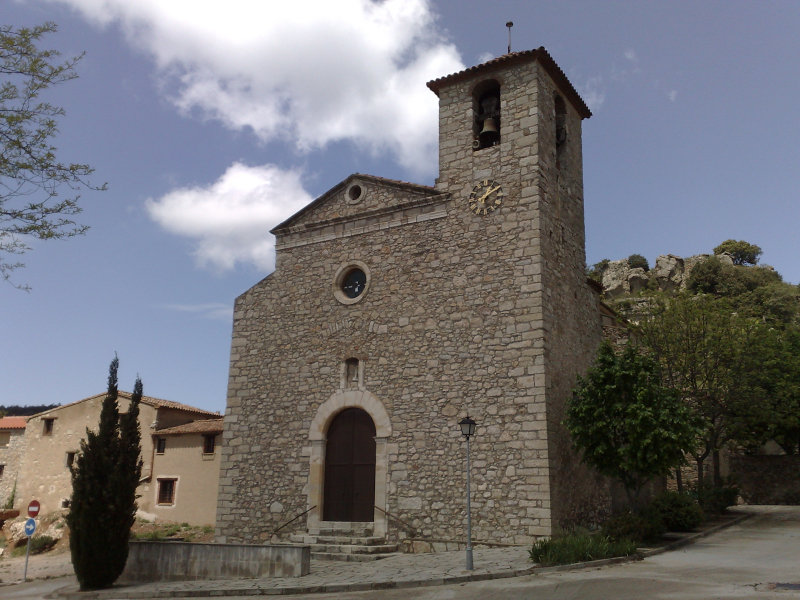
The church bell strikes noon and the only reply is a tractor changing gear somewhere beyond the stone houses. Vilanova de l'Aguda, halfway between Balaguer and Solsona, doesn't do fanfare. At 400 metres above the Lleida plains, this scatter of ochre walls and terracotta roofs survives on cereals, pigs and the stubbornness of 189 residents who refuse to let their lanes fall silent.
British drivers coming from the coast should allow two hours from Barcelona airport: AP-7 to Lleida, then the C-1313 north until the turning for the LV-4241. The final 12 kilometres narrow to a single-track road that climbs through almond groves; pull-ins are frequent enough, but meeting a lorry full of grain reminds you this is still a working landscape. In July the thermometer can touch 38°C and the air smells of baked earth and fennel. Winter is sharper than most expect—night frosts are common and the mist lingers until coffee time.
Stone, Slate and the Smell of New Bread
There is no ticket office, no audio guide, no gift shop. The village’s appeal is the accretion of small, honest details: a doorway worn smooth by 300 years of shoulders, iron balcony rails that have gone rusty rather than retro, the bakery (open 7-11 am only) where Maria Teresa bakes 30 loaves in a wood-fired oven and sells out by ten. Walk the two main lanes—Carrer Major and Carrer de l’Església—in twenty minutes, then spend another twenty noticing things: how gutters are chiselled from single blocks of sandstone, how the church step dips in the centre like an old saddle.
The parish church of Sant Martí keeps its doors unlocked on weekdays between 11 am and 1 pm. Inside, the cool darkness smells of wax and mouse droppings. The retable is nineteenth-century, provincial, touching in its effort to look grand on a parish budget. Drop a euro in the box and the sacristan—if he’s around—will switch on the lights so you can see the gilding flake.
Beyond the houses, footpaths strike out across fields of wheat and barley. These are not signed National Trust routes; they are farm tracks used by tractors and dog-walkers alike. A thirty-minute stroll east brings you to the ridge above the Sió river. From here the view is a chessboard of dry-stone walls, green irrigation circles and the Pyrenees rising white on the northern horizon. Take water—there are no kiosks, no ice-cream vans, only the occasional hosepipe outside a farmhouse where you may refill if you ask politely.
Eating What the Fields Taste Of
Meals happen early by British standards: lunch at 1.30 pm, supper at 8 pm sharp. The only public restaurant is Bar-Restaurant l’Aguda on the corner of the plaça, open Thursday to Sunday. Three courses, bread and wine run to €14. Expect escalivada (smoky aubergine and peppers), rabbit stew with rosemary, and crema catalana thick enough to hold a spoon upright. Vegetarians get tortilla, salad and the cook’s sympathy—this is pork country and no one apologises for it.
If you are self-catering, phone ahead to Cal Ton, a smallholding two kilometres outside the village, and order a shoulder of local lamb. They will joint it for you and throw in a handful of wild thyme. Pair it with a bottle of Costers del Segre from the cooperative at nearby Bellcaire—around €6 and sturdy enough to stand up to the rosemary. British foodies note: supermarkets are 25 minutes away in Balaguer, so pack coffee and teabags before you leave the airport.
When the Village Throws Off its Shyness
The feast of Sant Roc on 16 August is the one day the population quadruples. Former residents drive up from Barcelona, park wherever the wheat stubble allows and spend 24 hours pretending they never left. A brass band plays sardanas in the square, someone roasts an entire pig on a spit, and teenagers sneak vodka into plastic cups of cola. Outsiders are welcome but not fussed over—turn up, buy a raffle ticket for a ham, try not to applaud at the wrong moment in the liturgy.
Spring brings gentler entertainment: on the first Sunday in May locals hike to the ruined chapel of Santa Magdalena for a picnic of cold sausages and cava drunk from china mugs. The walk is six kilometres round-trip; dogs and curious visitors are tolerated provided they close gates and don’t trample the poppies.
Where to Lay Your Head (and Where Not To)
Accommodation is limited. The village has one tourist licence: Casa de la Baronia, a three-bedroom manor house with pool and orchard, sleeps eight from £180 a night (minimum three nights). Book early—half of Lleida seems to want it for long weekends. Cheaper beds are 18 kilometres away in Artesa de Segre at Hostal La Masia (£45 double, basic, clean, Saturday-night karaoke audible through the walls).
Campers should forget the village altogether; the nearest site is by the reservoir at Sant Llorenç de Montgai, half an hour’s drive, where pitches are shaded but weekends echo with Spanish families and their portable sound systems. Better to wild-camp discreetly on higher ground and pack out everything—Catalan farmers have long memories and shotguns.
Leaving Without the T-Shirt
Vilanova de l’Aguda will not change your life. It offers no zip-lines, no infinity pools, no artisan gin distillery. What it does give, freely and without marketing, is a yardstick against which to measure the noise of British city life. Drive away at dusk and you’ll see the last farmer of the day walking his dog along the ridge, silhouette against a sky the colour of dried chilli. The memory is free, and it lasts longer than the flight home.