Full Article
about Algerri
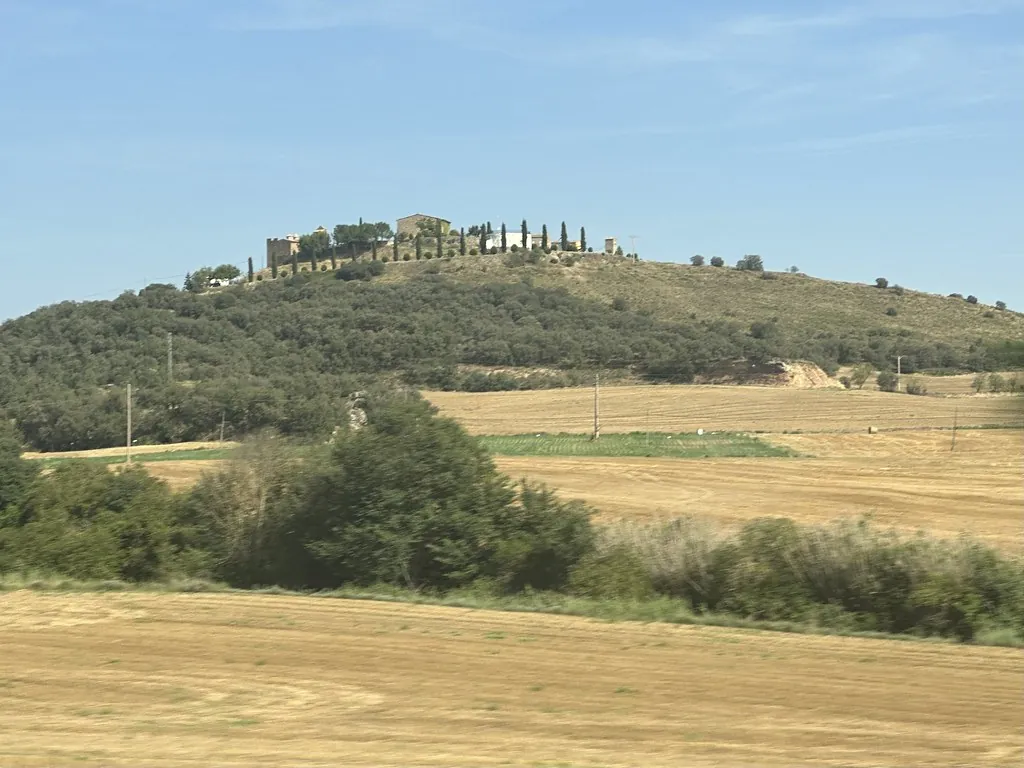
Town dominated by the ruins of its castle; stone architecture and dryland farming setting.
Hide article Read full article
Early in the morning, when the sun is still low and the light falls at an angle, the streets of Algerri are almost empty. A car passes slowly, a door opens, blackbirds call from the trees around the village. In that stillness, tourism in Algerri starts to make sense, not as a checklist of sights, but as a place where time is measured by hours in the fields and by the sound of church bells.
Algerri is a small municipality in the comarca of La Noguera, in Catalonia, with just over four hundred inhabitants. The village stands in a transition zone between cultivated fields and strips of vegetation along the River Segre. Its streets are short. Houses combine stone and brick, with wide doorways once designed to store machinery or carts when agriculture shaped daily life more directly.
The Church and the Heart of the Village
The bell tower of the Church of Santa María comes into view as soon as you enter the built-up area. It is not monumental, yet it acts as a constant reference point. From several streets, it rises above the reddish rooftops.
The present church is generally dated to the modern period, although it has undergone alterations over time. The façade is sober, almost austere. Inside, light filters through small windows. In mid to late afternoon, when the sun drops from the west, a soft glow fills the interior and settles on the wooden pews.
Nearby stands the Town Hall, on one of the few open spaces in the centre. The square is used for everyday life rather than for visitors. During the day, residents come and go. Someone pauses for a brief conversation. A car may be parked in the shade. The atmosphere remains practical and unadorned.
Quiet Streets and Overlooked Details
A short walk away from the square, the village grows even quieter. Some façades retain old iron grilles and arched doorways, traces of a time when homes combined living space with work areas. These architectural details speak of a rural economy that shaped both buildings and routines.
There are also more recent houses from the final decades of the twentieth century. They stand alongside the older structures and make it clear that Algerri is not a frozen backdrop. The mix of styles forms part of the real landscape of the village, without any attempt to disguise change.
An unplanned stroll suits Algerri best, especially towards the end of the afternoon. As the sun lowers, pale walls reflect a golden light that slips into narrow streets. The effect is subtle. Nothing has been arranged for effect, yet the combination of light and silence defines the character of the place.
Fields, Seasons and the River Segre
The rural tracks begin almost immediately beyond the last houses. The surroundings of Algerri are shaped by agriculture: cereal crops, almond trees and olive groves that shift in colour as the seasons turn.
In February or March, when the almond trees blossom, some fields fill with white and pink patches. Summer transforms the landscape again. The tones become drier and more golden, and the heat can be intense in the middle of the day.
The River Segre flows relatively close to the municipality. Along its course, small bands of vegetation appear, with willows and poplars marking the change in terrain. There is no landscaped riverside promenade of the kind found in larger towns. Instead, agricultural tracks offer views of this greener strip and of the contrast between irrigated land and open fields.
Summer visits require some planning. The sun is strong at midday and shade is scarce on the paths. Early mornings or the end of the day are more comfortable times to explore the tracks and the surrounding countryside.
Exploring La Noguera
Algerri lies within easy driving distance of other villages in La Noguera, where the landscape shifts noticeably. To the north, the terrain becomes more rugged, with low mountain ranges and settlements perched on rocky outcrops. To the south, the land opens out into broad fields and quiet roads that cut across cultivated plains.
The wider area also preserves traces of defensive architecture and small rural hermitages. These structures often stand on hilltops or near old routes. Signage is not always present, yet these scattered remains form part of the layered history of the territory.
Travelling by car is the most practical way to explore the area, as public transport options are limited. Distances are not vast, but connections are not frequent, so flexibility helps when moving between villages and countryside.
Festivals and the Local Calendar
Life in Algerri follows a calendar closely linked to traditional festivities. The main festival, known in many Catalan villages as the festa major, usually takes place in summer, around August. At that time, many residents who live elsewhere return for a few days. The atmosphere changes noticeably. There are more people in the streets and increased activity around the square.
Throughout the year, religious celebrations and events tied to the agricultural cycle continue to be observed. The format can vary depending on circumstances, yet these dates remain reference points in the communal life of the village.
Before You Go
Algerri does not have extensive tourist infrastructure. A few basic shops provide day-to-day necessities, but little beyond that. Anyone planning to spend several hours walking rural tracks or visiting nearby villages should bring water and organise the day with some foresight.
Reaching Algerri from Lleida is relatively straightforward by road, on a short northbound journey that crosses open agricultural land. The approach already hints at what awaits: wide skies, cultivated fields and a settlement that does not revolve around visitors.
Algerri is not defined by major monuments or by signposted routes at every turn. Its appeal lies in something quieter. Streets remain short, the church bell still marks the hours, and the surrounding fields continue to set the rhythm. For those willing to slow down, the experience rests less on ticking off sights and more on observing how a small village in La Noguera moves through the day and the seasons.