Full Article
about Tiurana
New village built after the old one was flooded by the Rialb reservoir.
Ocultar artículo Leer artículo completo
The church bell strikes eleven, though nobody's counting. In Tiurana's single street, an elderly woman waters geraniums beneath a stone archway that hasn't changed since her grandmother's day. This is rural Catalonia stripped bare—no tour buses, no souvenir shops, just sixty-seven souls living at 630 metres above the clamour of modern Spain.
The Village That Refused to Die
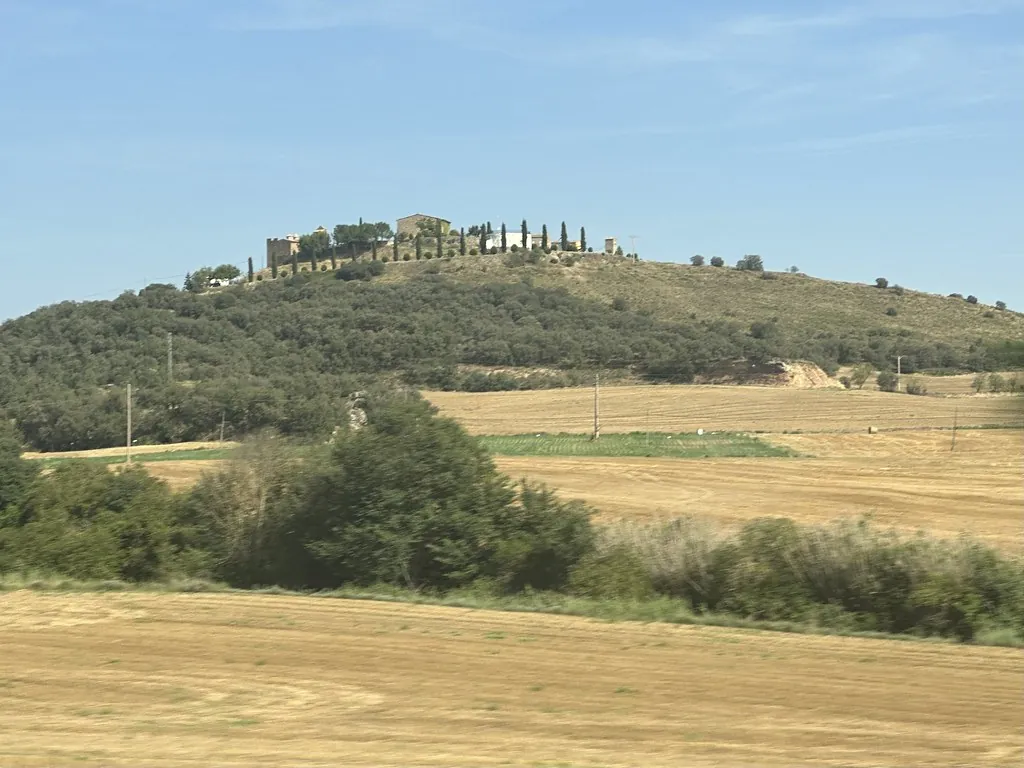
Tiurana sits forty minutes northwest of Lleida, where the Ebro valley's fertile plains give way to something sterner. The road climbs through almond terraces and olive groves, each bend revealing another abandoned farmhouse, another story of rural exodus. Yet Tiurana endured. Its stone houses—thick-walled, terracotta-roofed, built from the very ground they stand on—cluster around the medieval church like sheep seeking shelter.
The village's survival owes nothing to tourism and everything to stubbornness. While neighbouring hamlets crumbled into romantic ruins, Tiurana's houses stayed inhabited. Their owners rejected the bright lights of Barcelona and Lleida, choosing instead the slow rhythm of agricultural life. Walk the narrow lanes and you'll see the evidence: freshly swept doorways, vegetable plots still tended, laundry flapping between balconies like prayer flags.
Don't expect architectural grandeur. The parish church, Santa Maria, wears its centuries plainly—Romanesque bones clothed in later additions, its bell tower more functional than beautiful. The pleasure lies in details: a Gothic window here, a Moorish tile there, the weathered stone seats built into walls where neighbours once gathered to share the day's gossip.
Walking Through Empty Landscapes
The real Tiurana begins where the tarmac ends. Ancient paths radiate outward, connecting the village to a landscape that feels half-forgotten by time. These aren't manicured trails with wooden signposts and QR codes. They're working tracks—dirt and stone, bordered by drystone walls, leading through almond groves that bloom white in February and olive terraces silver-green year-round.
Walk south towards the abandoned hamlet of Llarvés and you'll understand the region's story. Empty houses stand roofless, their doorways gaping like missing teeth. The path climbs gently, revealing views across the Noguera comarca—a patchwork of cereal fields, scrubland and forest stretching to distant mountains. Griffon vultures circle overhead; wild boar root through the undergrowth. This is hiking for purists: no crowds, no cafes, just the sound of wind through holm oaks and your own footsteps on ancient stone.
Spring brings the best walking weather—mild days, clear skies, the countryside awash with wildflowers. Summer turns harsh; temperatures regularly exceed 35°C, and shade becomes precious. Autumn paints the landscape gold and amber, perfect for photographers seeking that elusive Mediterranean light. Winter can bite—night temperatures drop below freezing, and the Tramontana wind whips across these exposed hills with vicious intent.
The Night Sky and Other Simple Pleasures
Darkness falls suddenly here. One moment the hills glow amber in sunset light; the next, you're standing beneath a sky so clear you can see the Milky Way with naked eyes. Tiurana's elevation and distance from major towns create perfect stargazing conditions. Bring binoculars and a star chart—on moonless nights, the cosmos puts on a show that makes city planetariums seem frankly pathetic.
The village compensates for its lack of amenities with something increasingly rare: silence. Not absolute quiet—there's always the wind, distant sheep bells, perhaps a tractor labouring somewhere—but the absence of human noise. No traffic hum, no aircraft drone, no thumping bass from neighbouring villas. Just space to think, to breathe, to remember what it feels like when life slows to walking pace.
Food requires planning. Tiurana itself has no shops, no bars, no restaurants. The nearest supermarket sits twenty minutes away in Artesa de Segre—a mid-sized town with Tuesday market and adequate supplies. Stock up before you arrive, or better yet, time your visit for weekend lunch at Gastrobar Soles, the village's sole dining option. Run by a local couple, it serves traditional Catalan dishes—escalivada (smoky roasted vegetables), botifarra sausage with white beans, locally-made cheeses—at prices that seem absurdly low after Barcelona's tourist traps.
When to Come, How to Stay
April through June offers ideal conditions—warm days, cool nights, countryside lush from winter rains. September and October provide similar pleasures, plus the grape and olive harvests. July and August turn brutally hot; unless you relish 40°C heat, avoid high summer. November to March brings cold nights and occasional snow, though days often sparkle clear and bright.
Accommodation means renting a village house—several owners offer traditional properties restored with modern bathrooms and WiFi (though the connection remains distinctly rural). Expect stone floors, wooden beams, perhaps a terrace with mountain views. Prices hover around £60-80 nightly for a two-bedroom house, minimum stays typically three nights.
Getting here demands wheels. Public transport reaches nearby Artesa de Segre, but the final climb to Tiurana requires driving—twenty minutes up a winding but decent road. Hire cars from Lleida or Barcelona airports; the journey takes ninety minutes from Lleida, three hours from Barcelona. Winter visitors should check weather forecasts—snow occasionally blocks access, though rarely for long.
Tiurana won't suit everyone. Those seeking nightlife, shopping, or Michelin-starred dining should look elsewhere. But for travellers who measure value in experiences rather than attractions, who understand that sometimes the best thing a place offers is what it lacks, this stubborn little village delivers something precious. Come for the silence, stay for the stars, leave understanding why some places don't need saving—they just need appreciating on their own terms.