Full Article
about Vilanova de l'Aguda
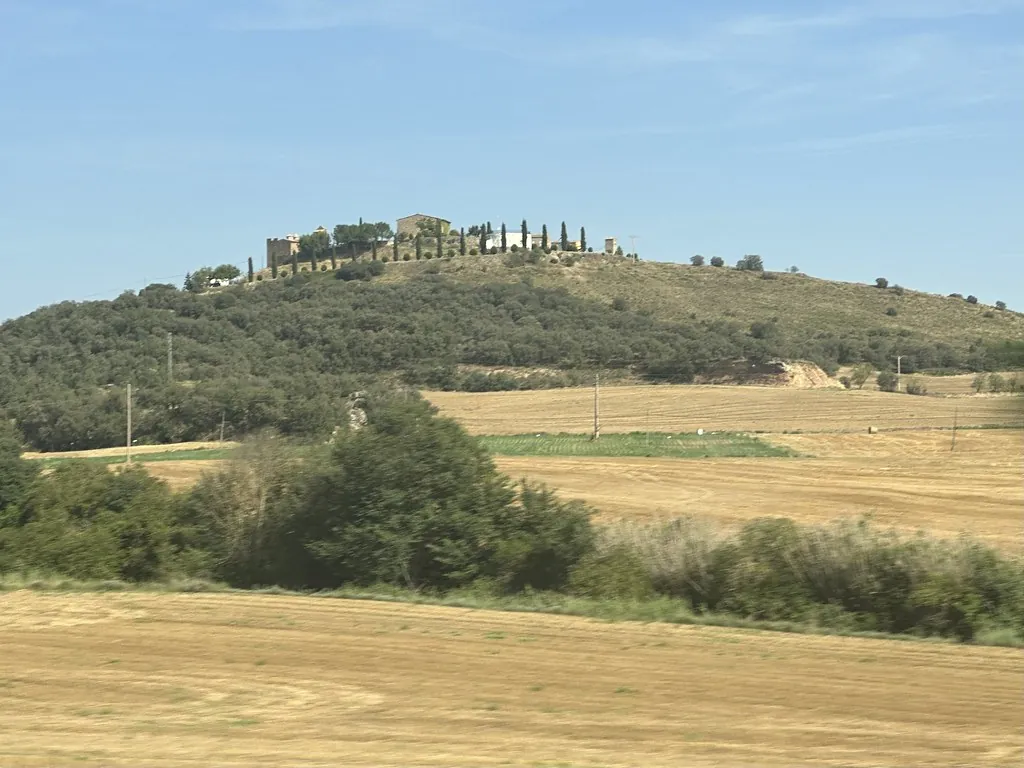
Municipality with several hamlets; notable for the Romanesque hermitage of Ribelles.
Ocultar artículo Leer artículo completo
A Village That Time Forgot (And We're Rather Glad It Did)
After 25 years of calling Spain home, I thought I'd discovered every hidden corner of this magnificent country. Then last autumn, whilst exploring the rolling hills of Noguera, I stumbled upon Vilanova de l'Aguda—a village so perfectly preserved and peacefully isolated that it felt like stepping through a portal into medieval Catalonia.
With just 196 residents, this tiny hamlet perched at 1,341 feet above sea level offers something increasingly rare: genuine silence. Not the manufactured quiet of luxury retreats, but the authentic hush of a place where sheep bells and distant church chimes are the loudest sounds you'll hear. It's the sort of place where locals still know each other's names, where time moves at the pace of the seasons, and where a visiting Brit might just rediscover what tranquillity actually means.
Village Life: Where Everyone's a Neighbour
Vilanova de l'Aguda operates on what I like to call "village time"—that blissful rhythm where urgent means "perhaps this week" and emergencies are limited to escaped livestock. The 196 souls who call this place home are primarily farmers and shepherds, their families often stretching back generations in these Catalonian hills.
Morning coffee at the village's tiny bar (and I do mean tiny—about six tables) becomes a social institution where conversations drift between Catalan and Spanish, punctuated by the occasional curious English phrase when they spot my foreign accent. Don't worry about language barriers; rural Catalans are wonderfully patient with fumbling foreigners, often switching to their excellent Spanish when they realise you're struggling with Catalan.
The village maintains that particular Spanish magic where children still play freely in the streets whilst grandparents watch from doorways, where shops close for proper afternoon rests, and where Sunday afternoons are reserved for family gatherings that stretch long into the evening.
Treasures Hidden in Plain Sight
The jewel in Vilanova de l'Aguda's crown is undoubtedly the Castillo y Ermita de Ribelles, a medieval castle and hermitage that sits like a crown atop the surrounding hills. Now, I must be honest with you—getting there requires sturdy shoes and a bit of scrambling. The path isn't particularly well-marked, and there are some steep sections that would challenge anyone with mobility issues. But for those who make the effort, the reward is spectacular: panoramic views across the Catalonian countryside that stretch to the Pyrenees on clear days.
The village's Iglesia de San Salvador tells its own quiet story of centuries past. This isn't a grand cathedral that coaches of tourists visit, but a simple stone church where locals still gather for Sunday mass, where marriages and baptisms continue traditions that stretch back hundreds of years.
What I particularly love about exploring here is following the Romanesque routes that wind between villages. These ancient pathways, once travelled by pilgrims and merchants, now offer peaceful walking routes through landscapes that have changed little over centuries.
Dining: Honest Food, Honest Prices
I'll be frank—this isn't the place for sophisticated dining experiences or innovative cuisine. What Vilanova de l'Aguda offers instead is something perhaps more valuable: authentic, honest food prepared with ingredients that often travel mere metres from farm to plate.
The local embutidos (cured meats) are exceptional, prepared by families using recipes passed down through generations. The village butcher, Josep, makes chorizo and morcilla that would make city chefs weep with envy. Pair these with bread from the village bakery (open Tuesday, Thursday, and Saturday mornings only), local honey, and perhaps a bottle of wine from the nearby Costers del Segre region, and you've got a feast that costs a fraction of what you'd pay in Barcelona.
The village restaurant—and yes, there's just one—serves hearty Catalonian fare. Think slow-cooked lamb, seasonal vegetables, and robust stews that warm you from the inside out. Book ahead if you're visiting on weekends; with only 196 residents, word travels fast when there's something special on the menu.
The Practical Bits (Because I Know You're Wondering)
Let me be absolutely clear: you need a car to reach Vilanova de l'Aguda. Public transport to villages this small is virtually non-existent, and frankly, the winding mountain roads would test even the most determined bus driver. Rent something small and nimble—these ancient streets weren't designed for modern vehicles, and parking can be creative at best.
The drive from Lleida takes about an hour, winding through increasingly beautiful countryside. From Barcelona, allow two and a half hours, but honestly, the journey through rural Catalonia is half the pleasure.
Spring and autumn are absolutely perfect here. Summer can be scorching at this altitude, whilst winter brings a quiet beauty but also the possibility of snow that can make the roads treacherous. I'd particularly recommend May or September—warm enough for comfortable walking, cool enough for restful afternoons.
Accommodation is limited but charming. There are a handful of rural houses available for rent, many offering the chance to truly experience village life. Some even come with kitchen access, perfect for preparing meals with those wonderful local ingredients. For longer stays, consider this your chance to test rural Spanish living before making any permanent moves—many Brits have fallen in love with this slower pace of life.
Final Thoughts: A Village for the Soul
Vilanova de l'Aguda isn't for everyone. If you need constant entertainment, shopping opportunities, or bustling nightlife, you'll be thoroughly bored. But if you're seeking authentic Spain, genuine tranquillity, and the chance to experience life as it's been lived in these hills for centuries, this little village might just steal your heart.
Pack comfortable walking shoes, bring a good book, and prepare to slow down. In a world that seems to spin ever faster, places like Vilanova de l'Aguda remind us that sometimes the greatest luxury is simply being still.