Espinelves - Flickr
Jorge Franganillo · Flickr 4
Cataluña · Sea, Mountains & Culture

Espinelves

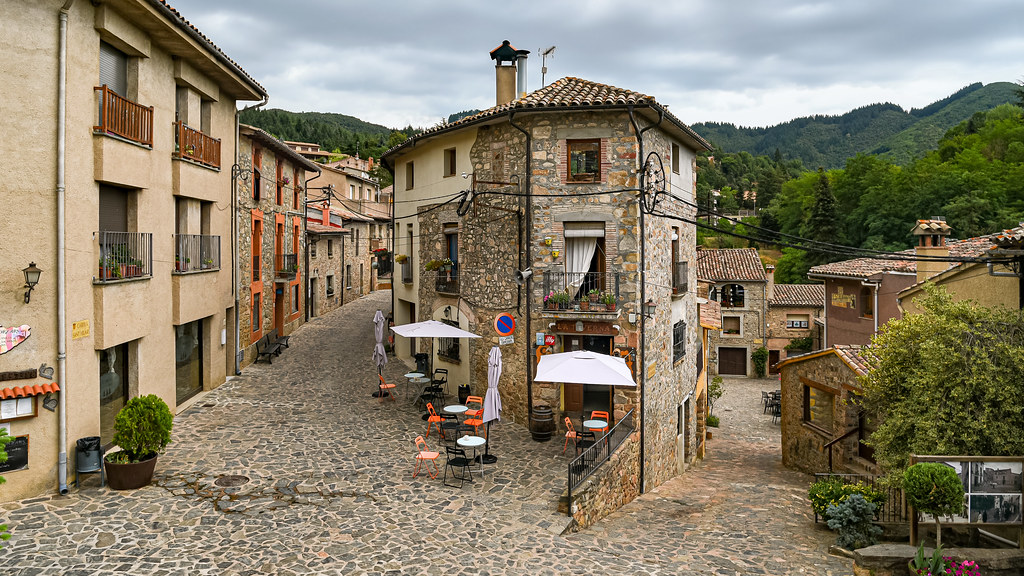
The morning mist lifts from the valley like steam from a cup of tea, revealing stone houses that have watched over the Montseny foothills since the...

261 inhabitants · INE 2025
752m Altitude

Why Visit

Mountain Romanesque church of Sant Vicenç Fir Fair

Best Time to Visit

winter

Fir tree fair (December) diciembre

Things to See & Do
in Espinelves

Heritage

  • Romanesque church of Sant Vicenç
  • fir forests

Activities

  • Fir Fair
  • Hiking in Montseny

Festivals
& & Traditions

Fecha diciembre

Fira de l'Avet (diciembre), Fiesta Mayor (agosto)

Las fiestas locales son el momento perfecto para vivir la autenticidad de Espinelves.

Full Article
about Espinelves

Storybook village in Montseny; known for its fir-tree fair and Romanesque architecture

Ocultar artículo Leer artículo completo

The morning mist lifts from the valley like steam from a cup of tea, revealing stone houses that have watched over the Montseny foothills since the Middle Ages. At 750 metres above sea level, Espinelves sits high enough to escape the summer heat that wilts Barcelona, yet low enough that chestnut trees thrive in the surrounding woods. The village's name derives from the Catalan word for fir trees—avets—though today's landscape is dominated by chestnuts and oaks that turn bronze each autumn.

With barely two hundred permanent residents, Espinelves operates on a different timetable than coastal Catalonia. The church bells mark the hours rather than smartphone notifications. When the baker arrives at 7:00 am, locals know it by the sound of his van door slamming rather than any app alert. This is rural Catalonia at its most authentic, where farmers still drive tractors through narrow medieval streets and neighbours pause their conversations only when vehicles squeeze past.

The Church That Defines the Skyline

The Romanesque church of Sant Vicenç stands at the village's highest point, its weathered stone tower visible for miles around. Built sometime in the 11th century, though modified repeatedly over subsequent centuries, the church interior remains refreshingly simple. A single nave, wooden pews worn smooth by centuries of worshippers, and the faint smell of incense and old stone. Unlike grander Catalan churches, Sant Vicenç hasn't been sanitized for tourism. The priest still locks up after evening mass, and visitors wandering in during quiet hours might find themselves alone with only the sound of their footsteps echoing off ancient walls.

The church square offers the village's best viewpoint. On clear days, the Pyrenees form a jagged backdrop to the north. Closer at hand, the rolling landscape folds into valleys where isolated farmhouses dot hillsides accessible only by dirt tracks. These masias—traditional Catalan farmhouses—some dating to the 16th century, remain working properties rather than weekend retreats. Their stone walls, two feet thick in places, have withstood everything from Moorish raids to winter storms that bring snowdrifts chest-deep.

When Chestnuts Become Currency

Early November transforms Espinelves from peaceful backwater to bustling marketplace. The Fira de l'Avet i la Castanya—Fir and Chestnut Fair—draws thousands who queue for hot chestnuts sold in paper cones. The festival began modestly in the 1980s when local growers sought a market for their autumn harvest. Today, it's serious business. Stallholders roast chestnuts over open fires, the smoke mixing with woodsmoke from village chimneys to create an aroma that defines Catalan autumn more effectively than any perfume.

During fair weekend, the village's population swells tenfold. Parking becomes impossible within a kilometre of the centre. Locals rent out spare rooms months in advance. The two village restaurants—Can Xarina and Cal Xic—serve three sittings daily, their menus featuring chestnuts in every conceivable form: roasted, pureed into soup, candied, even ground into flour for cakes. Prices jump accordingly. A coffee that costs €1.20 in October suddenly costs €2.50. Nobody apologises for this; it's simply how rural economies survive.

The rest of the year reverts to near-silence. Tuesday afternoons feel particularly deserted when both restaurants close and the village shop shutters at 2:00 pm. Those seeking lunch must drive twenty minutes to Vic, the nearest proper town. This quietude delights some visitors and unsettles others. British tourists have been overheard describing Espinelves as "dead" during off-season weeks, missing entirely that this emptiness is precisely what keeps the village authentic.

Walking Through a Living Landscape

The Montseny Natural Park surrounds Espinelves like a green fortress. Marked trails depart from the village edge, leading through chestnut forests where wild boar root for acorns and red squirrels chase each other through branches. The GR-5 long-distance path passes nearby, connecting to a network of routes ranging from gentle thirty-minute strolls to full-day hikes reaching 1,700-metre peaks.

Walking here requires proper footwear. Paths become muddy after rain, and winter brings ice that makes stone steps treacherous. The weather changes quickly at altitude. What begins as a pleasant morning stroll can become a cold, wet slog when clouds roll in from the Mediterranean. Local wisdom suggests carrying a jacket regardless of conditions at departure. Mountain rescue services are thin on the ground; walkers needing assistance might wait hours for help.

Spring brings wildflowers—pyrenean lilies, wild daffodils, orchids whose names most visitors can't pronounce but photograph anyway. Summer remains cooler than coastal areas, making Espinelves popular with Barcelonans escaping city heat. Autumn, naturally, belongs to chestnuts. Winter brings snow several times yearly, though rarely enough for skiing. The village becomes briefly magical under fresh snow, though access roads close when conditions worsen.

Eating Like Someone's Grandmother Intended

Local cuisine follows mountain logic: hearty, warming, designed to fuel farmers through cold mornings. At Can Xarina, the menú del día costs €14 during week, €18 weekends. Expect escudella—a thick stew with beans, cabbage and pork—followed by grilled lamb or botifarra sausage with white beans. Vegetarian options remain limited; even the vegetable soup usually contains ham stock.

Cal Xic, the other restaurant, specialises in calçots—giant spring onions grilled over vine embers—during February and March. Diners wear bibs while eating, a sensible precaution given the messy ritual of stripping charred outer layers before dipping the sweet inner stems in romesco sauce. The experience feels theatrical but tastes genuine. Both restaurants close Monday evenings and all day Tuesday outside peak season. Booking remains essential weekends year-round.

The village shop doubles as bakery, post office and gossip exchange. Morning bread sells out by 10:00 am. Local cheese—formatge de cabra—costs €8 per small round, milder than French goat cheese and wrapped in chestnut leaves. During autumn, locals arrive with plastic bags to fill with chestnuts gathered from woods. They'll share preparation tips willingly, though their Catalan accents thicken when excited, making understanding challenging for Spanish speakers, let alone English visitors.

Getting There (and Away Again)

Espinelves sits fifteen kilometres north of the C-25 main road, the last stretch a winding climb through forest. The single-track road features passing places; locals know them all and expect visitors to reverse when necessary. A small hire car proves essential—vans struggle with tight corners. In winter, carry snow chains. The village has no petrol station; fill up in Vic before ascending.

Girona airport lies seventy-five minutes away via the C-25 and GI-543. Barcelona takes longer—ninety minutes minimum, two hours during peak traffic. Public transport doesn't reach Espinelves. The nearest railway station is Vic, from where taxis charge €35-40 for the twenty-minute journey. Many visitors hire cars at the airport, combining Espinelves with coastal stops. This works, though mountain driving after coastal relaxation feels jarring.

Accommodation options remain limited. Naturaki's El Serradell farmhouse sleeps eight in four bedrooms, its infinity pool overlooking the valley. At €300 nightly minimum, it's not cheap, but the view justifies the expense. Alternatives lie in Vic—Hotel La Sala offers boutique comfort twenty minutes away. Camping isn't permitted within the natural park boundaries.

November's chestnut fair books solid months ahead. Other periods offer flexibility, though weekends fill quickly during spring wildflower season and summer heatwaves. Mid-week visits outside festival periods guarantee solitude, though you'll need Spanish to communicate—English remains patchy among older residents who form the village's backbone.

The question isn't whether to visit Espinelves, but when. Come during chestnut season for organised festivity and crowds. Choose any other month for authentic rural Catalonia, where the twenty-first century feels reassuringly distant and the mountain air clears metropolitan lungs within hours. Either way, bring cash, good walking boots, and expectations calibrated to village rather than city standards. Espinelves offers no nightlife, no shopping beyond basic necessities, no beaches or grand monuments. Instead, it provides something increasingly rare: a place where Catalonia's rural heartbeat continues unchanged, chestnuts ripening on ancient trees while medieval stones absorb another day's sunshine.

Key Facts

Region
Cataluña
District
Osona
Coast
No
Mountain
Yes
Season
winter

Official Data

Institutional records and open data (when available).

  • Sequoia de Tortadès
    bic Espècimen botànic ~4 km

Planning Your Visit?

Discover more villages in the Osona.

View full region →

More villages in Osona

Traveler Reviews