Full Article
about Viladrau
Stately town in Montseny; famous for its chestnuts
Hide article Read full article
Viladrau, o cuando el Montseny te dice que te sientes
Viladrau es como cuando apagas el wifi en casa: de repente, el ritmo cambia. Bajas del coche, das dos pasos por el pueblo y ya no tienes esa necesidad de mirar la hora cada cinco minutos. La transición es suave, casi imperceptible.
Este municipio de Osona está pegado al macizo del Montseny, a unos 800 metros, y se nota. Con poco más de mil habitantes, la vida aquí tiene otro compás. No hay monumentos estrella ni una lista de cosas que ver obligatorias. Lo que hay es bosque por todos lados, ese aire frío que se nota al respirar y la sensación de estar en un sitio que sigue su propio horario.
Viladrau se puso de moda hace más de cien años por su clima. Gente de la ciudad venía buscando veranos más suaves y aire limpio, y algo de eso queda. Hoy mucha gente sube para pasar el día, caminar unas horas lejos del tráfico o perderse un rato entre hayas y robles.
Un núcleo pequeño para recorrer sin mapa
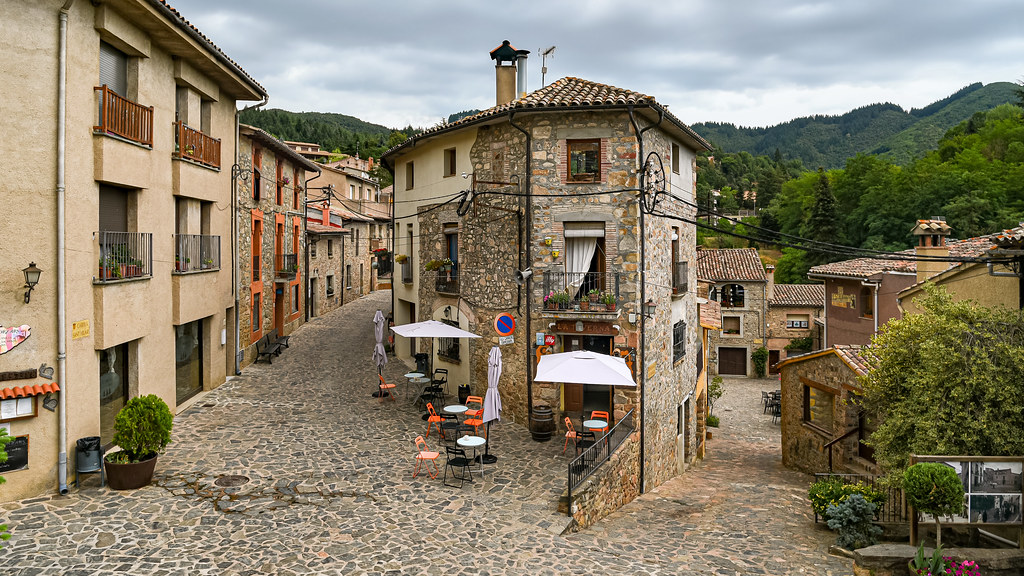
El centro de Viladrau es compacto. Calles cortas que suben y bajan con suavidad, casas de piedra con balcones de madera. No hay grandes edificios; todo parece hecho a la medida del paisaje.
En medio está la iglesia de Sant Julià y Santa Basilissa. Tiene partes antiguas y otras reformadas después, lo normal en estos pueblos. No es un sitio para pasar media hora dentro, pero encaja con el carácter del lugar.
Viladrau se visita mejor sin plan estricto. Un paseo lento te va enseñando detalles: una fuente escondida en una esquina, un escudo antiguo sobre una puerta, leña bien apilada en un patio. Son cosas que pasan desapercibidas cuando vas con prisa. Aquí no hay mucha razón para llevarla.
Donde empieza el bosque (de verdad)
Lo importante en Viladrau empieza donde acaba el último muro. El pueblo está dentro del Parc Natural del Montseny, y la transición es inmediata: en cinco minutos estás rodeado de robles, hayas y castaños.
En otoño el cambio es bestia. El bosque se pone rojizo y dorado, y la zona se llena de gente con cestas buscando setas. Hay años mejores y peores, pero la tradición sigue viva. Para muchos catalanes, salir al monte en otoño es casi un ritual social.
Hay miradores naturales desperdigados por la zona. En días claros se ve toda la plana de Vic y, más allá, la silueta de los Pirineos. No necesitas una plataforma oficial; a menudo basta con un claro en el bosque o un tramo de pista forestal para que el paisaje se abra.
El Montseny también tiene fama de viejas historias de brujas (“les bruixes del Montseny”). No es raro encontrar rutas o paneles que hablan de estas leyendas. Forman parte del imaginario local sin resultar pesadas.
Senderos para todos los niveles
Si te gusta caminar, Viladrau es una buena base. Algunas rutas son cortas y las haces en una mañana tranquila. Otras piden más tiempo y piernas.
Desde aquí salen caminos hacia cimas conocidas del macizo como el Matagalls o el Turó de l’Home. Esto no son paseos domingueros: implican desnivel, distancia y cierta experiencia de montaña. Pero si el día está claro, las vistas desde arriba compensan.
También hay opciones más suaves: pistas forestales anchas, caminos que serpentean entre hayedos, rutas que pasan por fuentes o capillitas rurales. Son esos paseos en los que pasas de mirar el reloj a fijarte en el sonido de las hojas bajo tus pies o en cómo entra la luz entre los árboles.
Con la bici pasa algo parecido: las cuestas del Montseny pueden ser duras –más de uno ha sufrido aquí– pero también hay tramos donde pedaleas sin tanto esfuerzo y lo importante pasa a ser lo que ves alrededor.
Los inviernos que nieva –que no son todos– cambian todo completamente: el bosque se queda mudo, los caminos se cubren de blanco y el pueblo entra en una calma difícil de encontrar otros meses.
Comida serrana y calendario local
La comida aquí va muy ligada a lo que da la tierra: platos contundentes cuando refresca; setas como protagonistas absolutas en otoño; carnes a la brasa… Después de una caminata larga por el Montseny sabes exactamente qué pedirte.
Las fiestas mantienen ese ambiente cercano típico pueblo pequeño: a finales agosto celebran las fiestas mayores dedicadas a Sant Julià durante unos días donde las calles se animan con actividades locales compartidas entre vecinos e invitados temporales como tú mismo podrías serlo si coincides fechas adecuadas…
Otoño gira alrededor del bosque –temporada setera principalmente– mientras invierno resulta más tranquilo visitantemente hablando aunque nevadas ocasionales le dan carácter especial escenario completamente distinto…
Viladrau no sirve para coleccionar fotos monumentales sino simplemente respirar aire fresco montañés dejar pasar horas sin medirlas demasiado… A veces ya solo eso justifica viaje entero