Full Article
about Tremp
Capital of Pallars Jussà; large and rich in geological heritage (Geopark)
Hide article Read full article
A Municipality That Grew Beyond Itself
Tremp is a bit like the housemate nobody expected to take up much space and who somehow ends up occupying half the living room. That is more or less what happened here. For a long time it was a fairly contained town, but in the 1970s it absorbed several surrounding villages and its municipal boundaries expanded dramatically. Today it has the largest municipal area in Catalonia.
That may sound like a dry administrative detail. Look at a map, though, and the meaning becomes clear. Tremp is not just a single town with a neat ring around it. Its municipality includes valleys, small settlements and a considerable stretch of territory. The result is a place that feels broader than its urban core suggests.
Tremp lies in the comarca of Pallars Jussà, in the province of Lleida, within Catalonia. It functions as the comarca capital, which in Spain means it is the administrative and service centre for the surrounding area. That role shapes its character as much as its landscape does.
First Impressions in the Valley of Pallars Jussà
Approaching along the C‑13, the first thing that catches the eye is the open valley of Pallars Jussà. The town appears in the distance, set slightly above the plain, with the air of a quiet comarca capital where more happens than might seem at first glance.
This is not a picture-postcard village. That is worth saying plainly, because many travellers hear “Pyrenees of Lleida” and expect a certain aesthetic. Tremp’s appeal is more everyday. Its streets still show local life, with long-established shops and a rhythm that does not revolve solely around visitors. The old quarter is compact and easy to explore without effort.
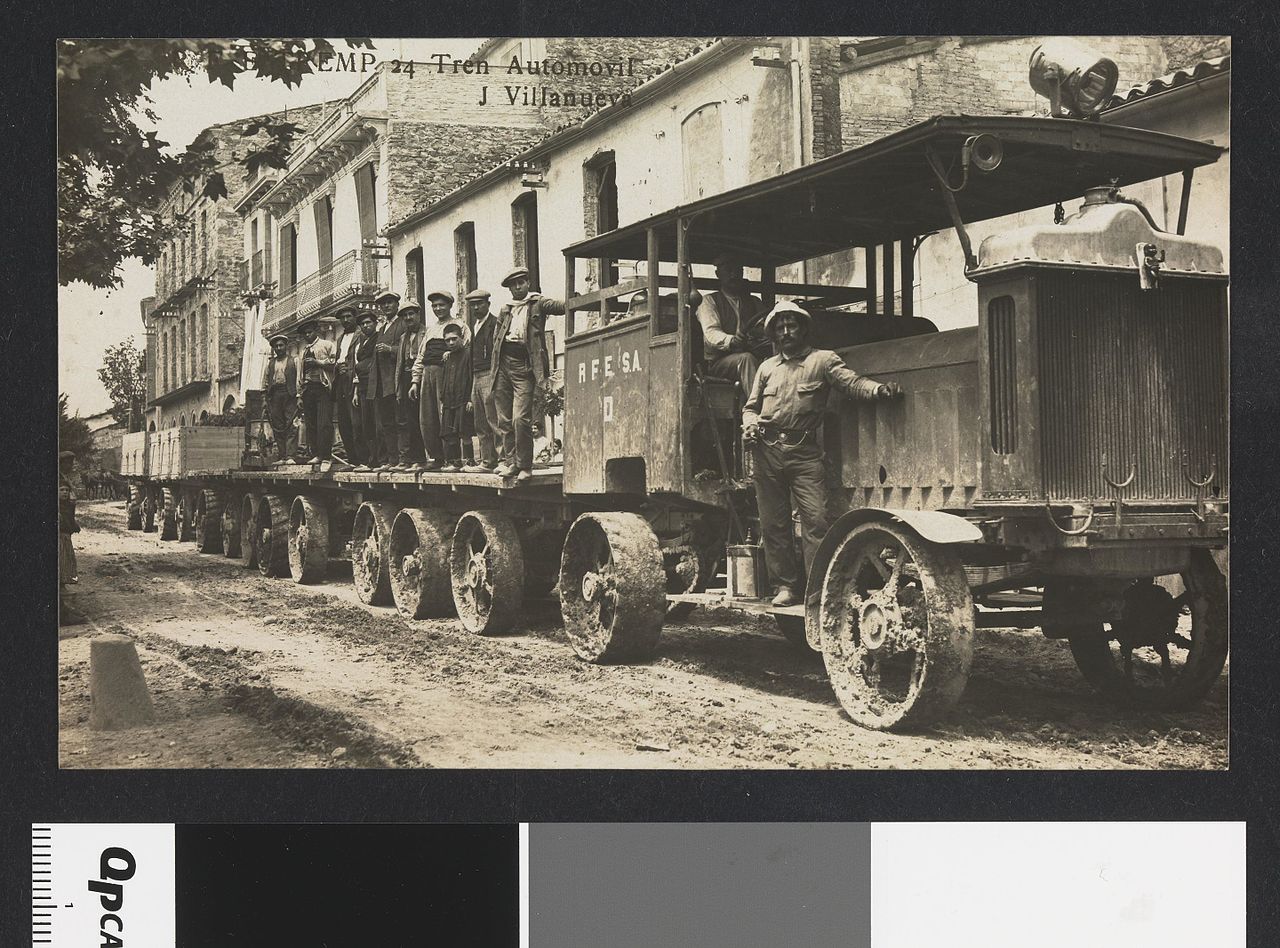
There is also an unusual blend in the background. On one side sits an agricultural tradition. On the other is a thread of industrial history. At the beginning of the 20th century, the area experienced the push of major hydroelectric works in the Pyrenees. Engineers, offices and economic activity followed. Tremp did not turn into an industrial city, yet that period left a mark. It helped shape the atmosphere of a small Pyrenean capital that still defines the town today.
Three Towers and a Compact Old Quarter
A walk through the centre leads sooner or later to several medieval towers that once formed part of the town walls. Three survive: the Torre de la Sagristia, the Torre del Mingo and the Torre de los Padres. They do not form a grand monumental complex. What they do offer is a sense of how Tremp once looked when it was enclosed and defended.
The old quarter itself is compact. In half an hour it is possible to cross it several times. There are small squares, narrow stretches of street and houses with a fair amount of history behind their façades. This is not a place where every corner comes with an explanatory plaque. Visitors have to look closely and draw their own conclusions.
That approach has its advantages. Without a constant layer of interpretation, the town feels less curated. It is simply there, going about its business.
Tremp’s role as comarca capital adds another dimension. These are places that do not depend solely on tourism. Administrative procedures take place here. There is a market. People come in from nearby villages to sort paperwork or shop. That flow of everyday activity gives the centre a purpose beyond sightseeing.
Local Flavours: Coca de Lechuga and Panadons
Food in Tremp follows the same logic as the town itself. It is straightforward and rooted in what the land provides. Two specialities are particularly associated with the area.
One is coca de lechuga. The name may raise an eyebrow. In essence it is a savoury coca, a type of flatbread common in Catalonia, topped with a simple filling based on garden produce. It is the kind of recipe that emerges from cooking with whatever is at hand rather than from a search for novelty.
The other is panadons de espinacas. These are baked pastries filled with spinach. They are typical in several parts of the province of Lleida, and in Pallars they have a solid tradition as well. They tend to appear in local bakeries, especially at certain times of year.
There is no attempt at sophistication here. This is home cooking, the sort that made sense in a place where the vegetable patch and the pantry determined what went on the table. The dishes reflect a rural background that still shapes the comarca.
A Sensible Stop on the Way to the Mountains
Tremp is rarely the main destination of a trip. Most people arrive on their way to the Pyrenees, to the Congost de Mont-rebei gorge or to the reservoirs in the area. The town sits on a route towards landscapes that draw hikers and outdoor enthusiasts.
That passing traffic is precisely why Tremp works well as a stop. A couple of hours are enough to get a feel for the place. A stroll through the old quarter, a look at the medieval towers and some time in one of the small squares help piece together how these Pyrenean comarca capitals function.
They are not stage sets assembled for a weekend. Life continues whether visitors are present or not. There are errands to run, markets to attend and conversations that have nothing to do with travel plans.
Leaving Tremp often brings a particular impression. The town does not try to compete with the dramatic scenery that surrounds it. Instead, it carries on with its daily routine while travellers pass through on their way to the mountains. In that sense, Tremp offers something quietly valuable: a glimpse of a working Pyrenean capital that has grown larger than expected, yet still feels grounded in its valley.