Alt Àneu - Flickr
santiagolopezpastor · Flickr 6
Cataluña · Sea, Mountains & Culture

Alt Àneu

The bells in València d'Àneu ring at seven-minute intervals, never quite together. Stand on the stone bridge over the river and you can hear the me...

453 inhabitants · INE 2025
1076m Altitude

Why Visit

Mountain Church of Sant Joan d'Isil Nordic skiing

Best Time to Visit

winter

Isil Fallas (June) junio

Things to See & Do
in Alt Àneu

Heritage

  • Church of Sant Joan d'Isil
  • Romanesque bridge
  • Ecomuseum

Activities

  • Nordic skiing
  • Hiking
  • Isil Fallas (UNESCO Heritage)

Festivals
& & Traditions

Fecha junio

Fallas de Isil (junio), Fiesta Mayor (septiembre)

Las fiestas locales son el momento perfecto para vivir la autenticidad de Alt Àneu.

Full Article
about Alt Àneu

Pyrenean municipality made up of several stone hamlets; gateway to Bonabé and untouched areas

Ocultar artículo Leer artículo completo

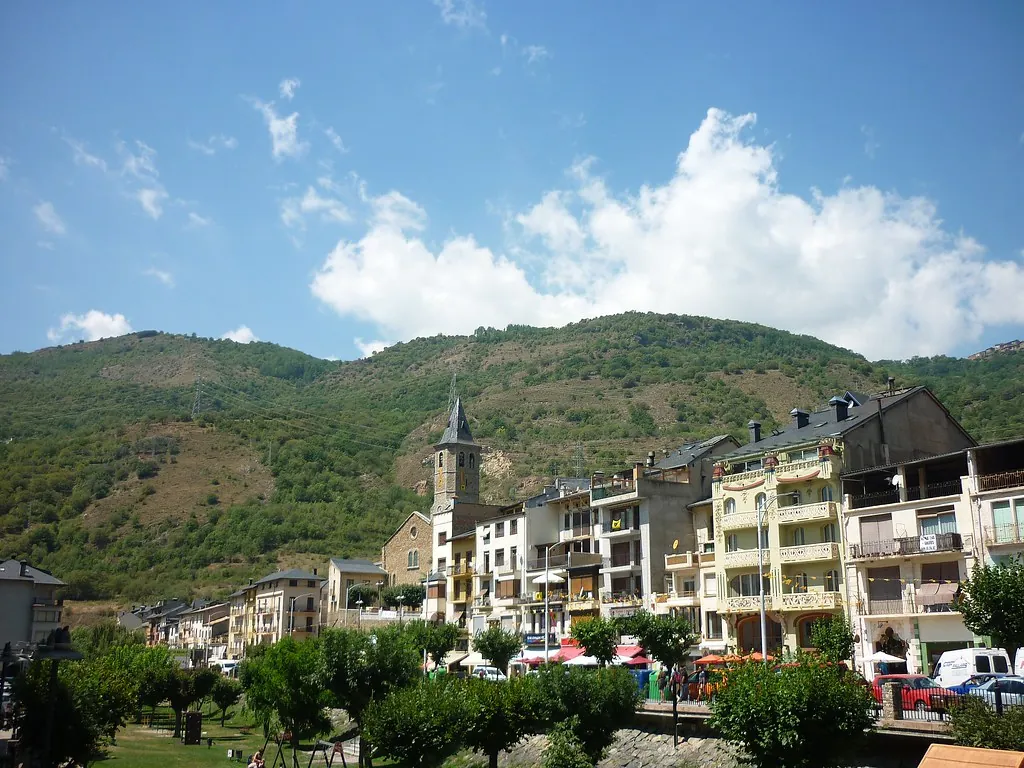
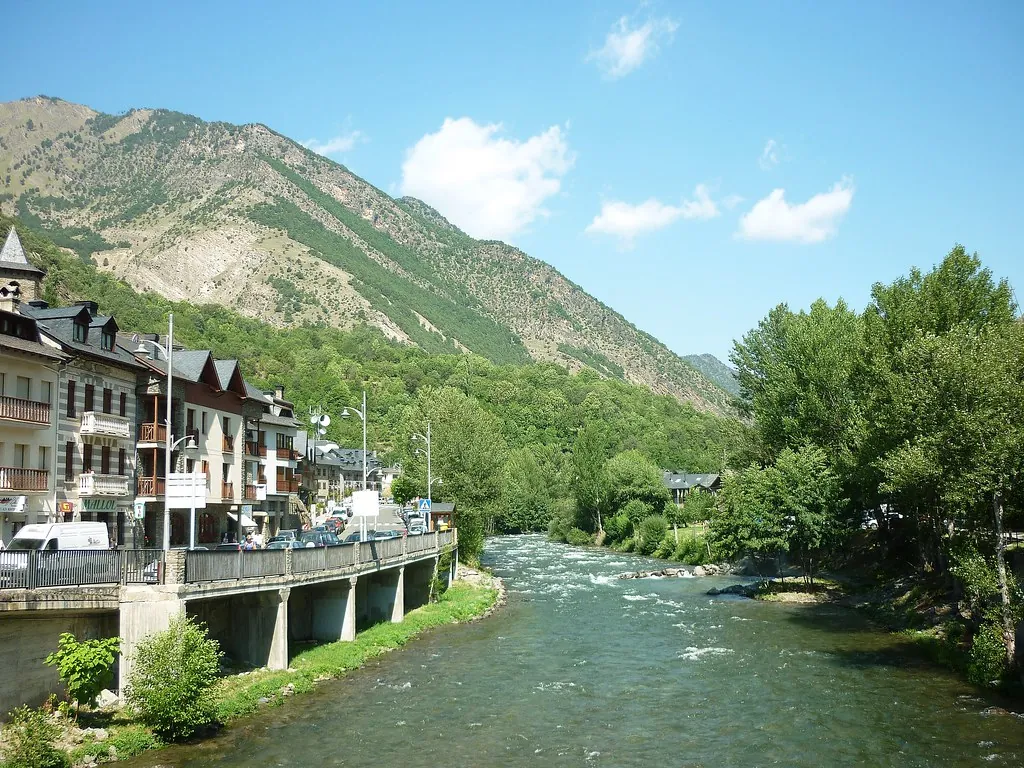
The bells in València d'Àneu ring at seven-minute intervals, never quite together. Stand on the stone bridge over the river and you can hear the metallic echo travelling up the valley—first the chapel in Son, then the taller tower in Isil, finally the cracked bell in Gavàs that always runs late. No-one resets them; in Alt Àneu, desynchrony is normal.

This scatter of hamlets, strung along twenty kilometres of the Vall d'Àneu, sits between 1,000 and 1,400 metres above sea level. The road climbs steadily from the Noguera Pallaresa until mobile reception splutters out and the only petrol pump for miles is a single pump in Sorpe that closes when the owner goes fishing. Bring a full tank from Esterri or Vielha and you won’t have to knock on doors asking for “gasolina” in fractured Spanish.

Stone, slate and silence dominate the architecture. Houses grow straight from bedrock, their roofs weighted with dark slabs to stop the winter wind ripping them off. Barn doors still bear the soot of centuries; hay is stored upstairs, tractors below. Ignore the occasional satellite dish and you could be looking at the valley in 1920—except the broadband is now faster than most London postcodes.

Romanesque doors that still close properly

Eleven churches, all Romanesque, serve a population that would barely fill a double-decker bus. The best is Santa Maria in València: an austere rectangle finished in 1163, its bell tower a later, slightly drunken addition. Push the heavy door at dusk and the hinges groan exactly as they did eight centuries ago. Inside, the stone is warm from the day’s sun; swallows nest in the rafters, unconcerned by visitors.

Two kilometres south, the tiny chapel of Sant Joan d’Isil perches above the village like an afterthought. The key hangs on a nail in the adjoining farmhouse—take it, but return it before the farmer finishes milking or you’ll face a lecture in rapid Catalan. Inside, faded frescoes show a dragon with the face of a local landlord; guidebooks never mention this act of medieval satire.

If you arrive on 23 June, forget sleep. The Fallas de Isil, a UNESCO-listed fire festival, drags pine trunks down the mountain, stacks them in the plaza and sets the whole thing alight. Flames leap three storeys high; the Guardia Civil close the only road at 18:00 and don’t reopen it until the last ember is stamped out. Accommodation triples in price and the village pharmacy sells out of ear-plugs, but British visitors who time it right call it “Burning Man without the marketing department”.

Paths where the GR-11 forgets to count kilometres

The Pyrenees here are workmanlike, not postcard pretty. Summits top 2,500 m, scree shifts underfoot and weather changes faster than you can unwrap a sandwich. That said, you can walk from hamlet to hamlet on old mule tracks without seeing anyone except the occasional shepherd on a quad bike. The GR-11 long-distance trail cuts through the valley; follow it east for an hour and you reach the Black Pine forest of Virós, where autumn turns the beech leaves the colour of burnt toast.

More ambitious walkers head for the Ibons de Baiau, a chain of glacier-scooped lakes two hours above Gavàs. The path gains 700 m of height, starts gently, then throws in a final scramble across granite slabs. Weather blowing in from the Atlantic can turn a July afternoon into sleet, so pack a windproof even if Barcelona is 30 °C. The lakes themselves are small, grey and cold enough to numb feet in minutes—perfect for that alpine baptism photo, provided you can still smile while your legs turn blue.

In winter the same slopes become a quiet arena for ski-tourers. Baqueira-Beret is only 25 minutes away by car, but locals prefer the untracked bowl beneath Pico Sotllo. Avalanche risk is real: check the Catalan bulletin the night before and never skin up alone. If the forecast is “moderado” or higher, switch to snow-shoes and stick to the forest trail from Sorpe to the Refugi de Bassiero, a stone hut that sells hot chocolate and lets you dry gloves on the stove for the price of a beer.

Lamb that tastes of thyme and open sky

Restaurant choice is limited to a handful of family kitchens. The best is Casa Roca in València, where the menu is written on a chalkboard and changes according to what the owner’s brother shoots. Order the ternasco—milk-fed lamb roasted until the skin shatters like thin glass. It arrives with nothing more than roast potatoes and a sprig of rosemary, but the meat carries the flavour of high-altitude thyme the flock grazed on. A half-portion is still huge; doggy-bags are frowned upon, so arrive hungry.

For lighter appetites, Bar Portalet in Isil does a river-trout almondine that slips off the bone in clean flakes. House wine comes from a cooperative in nearby Sort and costs €2.80 a glass, cheaper than the bottled water. Pudding is usually gato de nueces, a walnut cake soaked in local mistela; it sits in the stomach like ballast, ideal if you’ve a 600-metre climb next morning.

Vegetarians survive on coca de recapte, a thick Catalan “pizza” topped with roasted aubergine and red pepper. One slice is lunch; two is a dare. Vegans should self-cater—stock up in Vielha before the climb, because village shops close for siesta and reopen only if the grocer feels like it.

When the valley turns the lights off

Evenings end early. By 22:30 the streets are dark enough to need a torch—street-lighting is decorative, not functional. Sit outside with the locals and conversation drifts to rainfall, wolf tracks, the price of hay. English is rarely spoken, yet a phrase-book Catalan (“bons dies”, “gràcies”) unlocks smiles faster than perfect Spanish. Offer to buy a round and you’ll hear stories of the 1983 flood that swept away the lower bridge, or the winter of ’56 when snow reached the first-floor windows.

Leave the car at the hostel and walk the lane to Son. The Milky Way is startlingly bright; altitude and zero light pollution turn the sky into a planetarium. Shooting stars are so common you stop pointing them out. Somewhere a dog barks, a tractor engine cools with metallic ticks, and you realise the valley has removed every layer of urban noise except your own breathing.

Practicalities slip in quietly. You need a car—public buses run twice daily and skip random villages according to school-term timetables. Accommodation ranges from the stone-walled Hostellerie du Vall d’Àneu (doubles €90, breakfast €12, closes reception at nine sharp) to self-catering flats in Gavàs where the key safe is hidden behind a flowerpot if you arrive after eight. Fill the tank in Vielha, carry cash, and download an offline map before the signal dies.

Spring brings orchids to the hay meadows; autumn smells of mushroom and woodsmoke. July afternoons hit 28 °C but nights drop to 10 °C—pack a fleece whatever the forecast says. Winter roads are gritted but not pampered; snow chains live in every local boot and should in yours too.

Alt Àneu will not entertain you in the conventional sense. There are no souvenir stalls, no guided tasting menus, no sunset yoga on paddleboards. Instead, it offers an older contract: give the valley your time, and it gives you back a rhythm set by bells, weather and seasons. Miss the last bakery croissant and you’ll go without; start a walk too late and the weather will send you home soaked. Abide by those rules and you leave wondering why anywhere else needs so many neon signs just to remind you what day it is.

Key Facts

Region
Cataluña
District
Pallars Sobirà
Coast
No
Mountain
Yes
Season
winter

Planning Your Visit?

Discover more villages in the Pallars Sobirà.

View full region →

More villages in Pallars Sobirà

Traveler Reviews