Full Article
about Esterri d'Àneu
Economic and service hub of the Àneu valleys; privileged natural setting
Hide article Read full article
Esterri d'Àneu: El Pueblo que Barcelona Guarda en Secreto
Un amigo de Barcelona me lo soltó así, sin filtro: "Cuando la ciudad nos ahoga, nos subimos al coche y vamos allí. A Esterri." No dijo "es precioso" ni "tienes que ir". Solo ese gesto de alivio. Así que fui, con la curiosidad de quien sigue una pista más que un plan turístico. Y la verdad es que ahora entiendo el gesto.
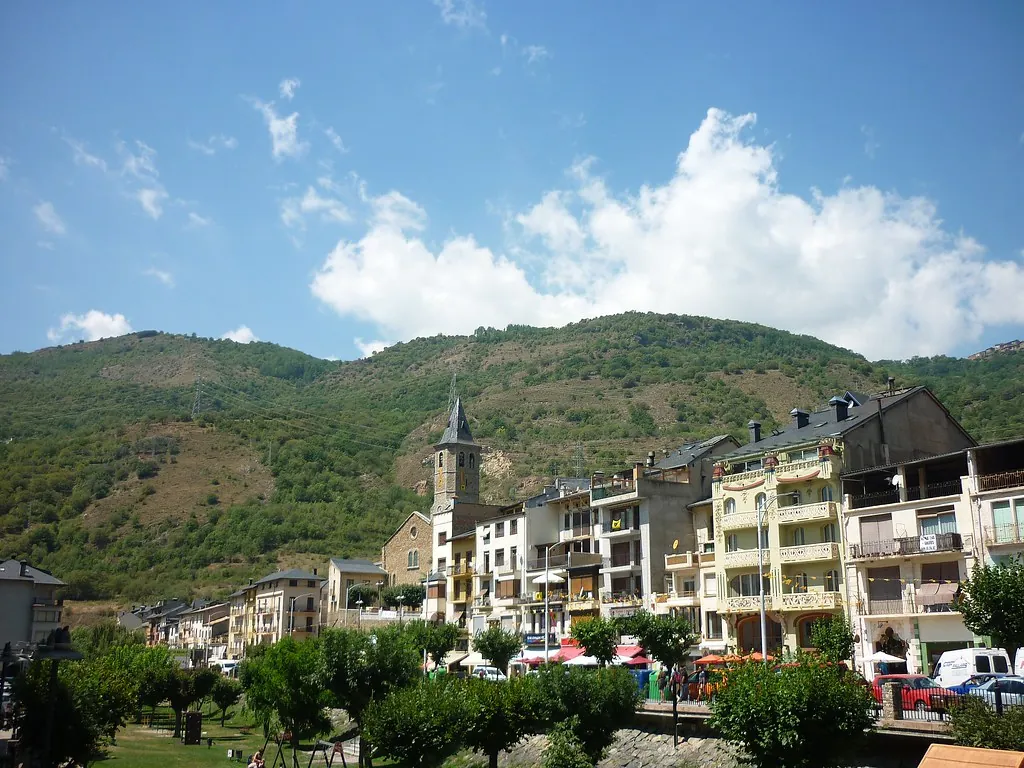
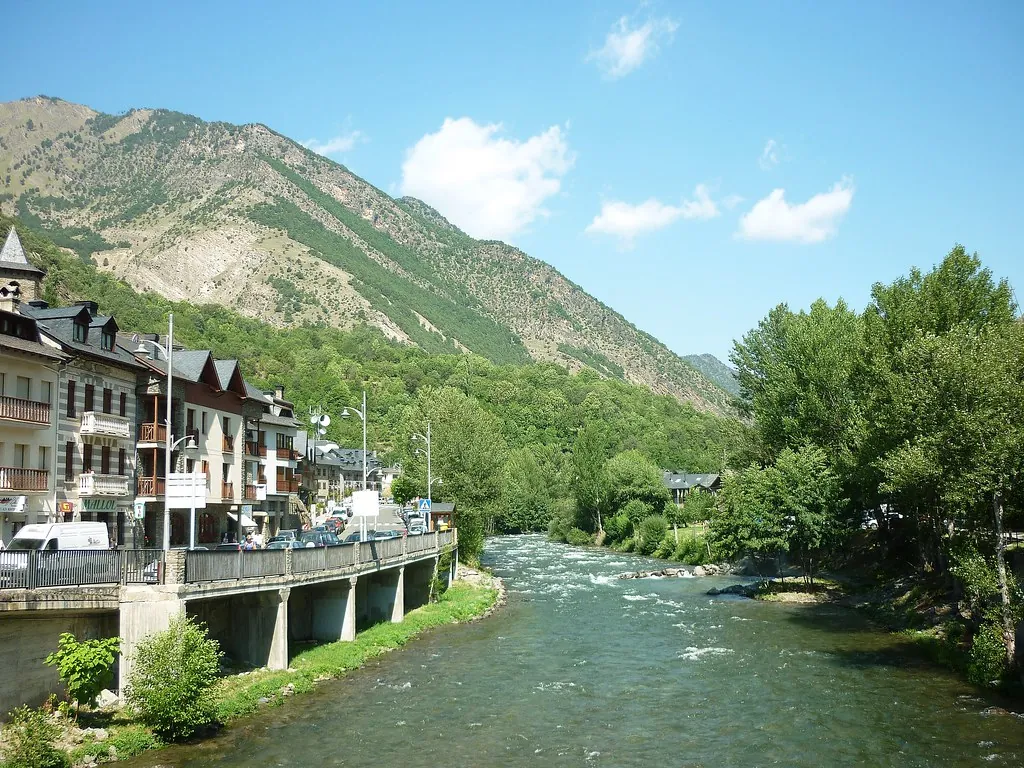
Esterri d'Àneu no es un pueblo escondido, está ahí, en lo alto del Pallars Sobirà. Pero tiene esa cualidad de lugar pasado por alto, como un libro bueno en un estante lleno de best-sellers llamativos. Llegas, aparcas junto al río Noguera Pallaresa, y el primer pensamiento es: ah, aquí se respira de otra manera.
Un Ritmo que Ya No Existe
Olvídate del reloj. Aquí el día lo marcan cosas concretas: el reparto del pan por la mañana, el paso del rebaño hacia el puente románico (sí, ese que sale en todas las fotos y está solo el 90% del tiempo), la tertulia de siempre en la plaza. La gente te saluda aunque no te conozca, con ese punto entre cortés y curioso típico de los pueblos de montaña donde no llegan autobuses de excursión.
Las casas son de piedra oscura y tejados de pizarra, hechas para aguantar, no para decorar postales. En otoño, cuando fui yo, el contraste es brutal: la piedra gris bajo un cielo azul intenso y los bosques prendidos en amarillo y rojo. Es una belleza práctica, sin adornos.
Lo Que Hay Que Hacer (y Lo Que No)
Tienes que pasar por el Ecomuseu dels Valls d'Àneu. Suena a plan aburrido, pero no lo es. Te explica por qué este valle es como es, cómo se vivía antes del turismo o incluso de las carreteras asfaltadas. Hablan de trashumancia con una naturalidad pasmosa, porque aquí no es historia, es lo que hizo el vecino la primavera pasada. Te da contexto, y eso hace que luego camines por el pueblo mirando los balcones y las puertas con otros ojos.
Lo otro obligatorio es calzarte unas zapatillas y andar. Da igual hacia dónde. El GR-11 pasa por aquí, pero hay senderos marcados para todos los niveles. Uno fácil lleva hasta un mirador sobre el pueblo en menos de una hora. Las vistas son del tipo que te hacen callar sin pretenderlo. Lleva agua y algo de abrigo aunque haga sol; aquí arriba el tiempo gira la página en cinco minutos.
En cuanto a comer, se come bien y contundente. Busca los platos de cuchara y la carne de la zona. Probé un civet de ciervo en un local junto al río que era justo lo que necesitaba después de caminar: oscuro, profundo y reconfortante. No esperes cartas gourmet con veinte páginas; esto es cocina de territorio, hecha con lo que hay.
La Letra Pequeña (La Importante)
Vamos a ser claros: sin coche propio no vengas. El transporte público existe sobre el papel, pero para moverte con libertad necesitas tus propias ruedas. Las carreteras son buenas pero son curvas y cuestas constantes; disfrútalas si te gusta conducir.
El momento ideal es el otoño o finales de primavera. Septiembre y octubre son sublimes. El verano está más animado pero pierdes esa sensación de tener el valle para ti solo. El invierno puede ser muy duro y blanco; solo recomendable si buscas eso específicamente y sabes manejar la nieve.
¿Es para quedarse a vivir? Esa es la pregunta grande. Hay quien se jubila aquí desde Barcelona o incluso desde fuera de España. Se puede hacer una vida tranquila, con naturaleza absoluta a tu puerta... pero también con un supermercado pequeño y un médico al que hay que llamar para que venga desde Sort. La conexión a internet va tirando; no intentes teletrabajar con videollamadas eternas.
Para mí fue como resetearse durante una semana. Esterri d'Àneu no te golpea con monumentos espectaculares ni una vida nocturna frenética. Te ofrece su ritmo lento, sus caminos vacíos y la sensación tangible de estar en un sitio real, donde la gente vive todo el año. No es para todos. Pero para algunos será exactamente lo que buscaban sin saber nombrarlo