Full Article
about Esterri de Cardós
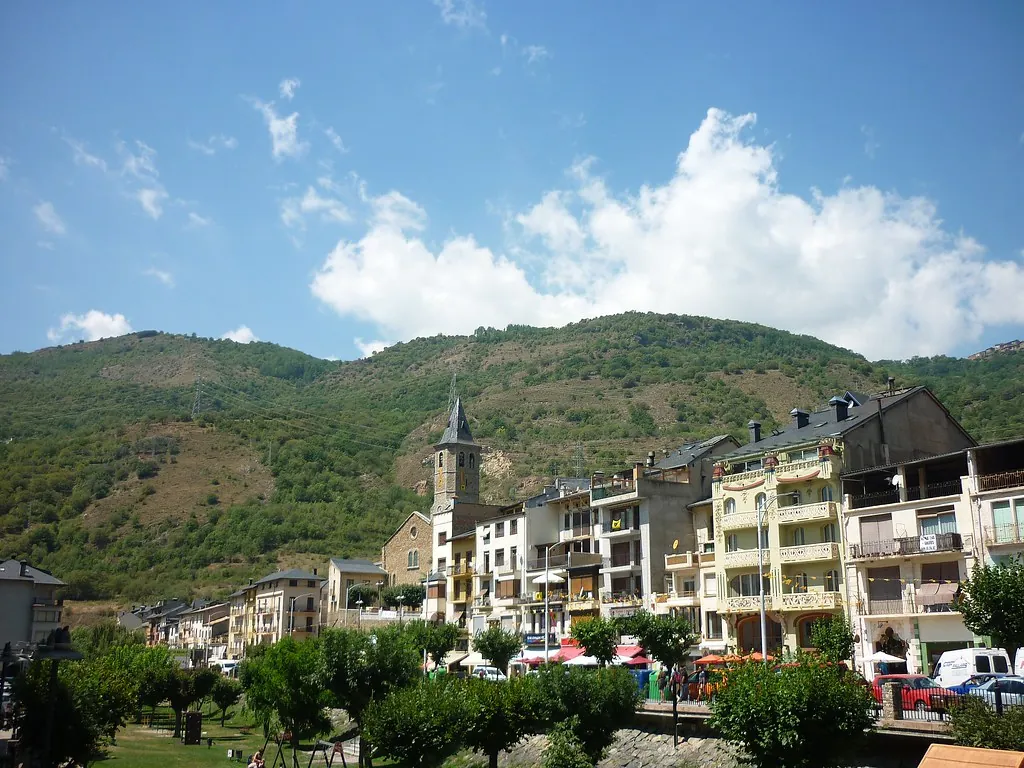
Small village in a side valley; traditional architecture and quiet.
Ocultar artículo Leer artículo completo
Sixty souls, one church bell and a valley that dead-ends into France: Esterri de Cardós doesn't so much welcome visitors as tolerate them. At 1,212 m the air thins before the first pint of Estrella is finished, and the only evening entertainment is watching the cows file past the stone houses at milking time. For anyone who thinks the Lake District has become a bit rowdy, this Catalan hamlet offers a corrective dose of silence.
The Valley That Time Misplaced
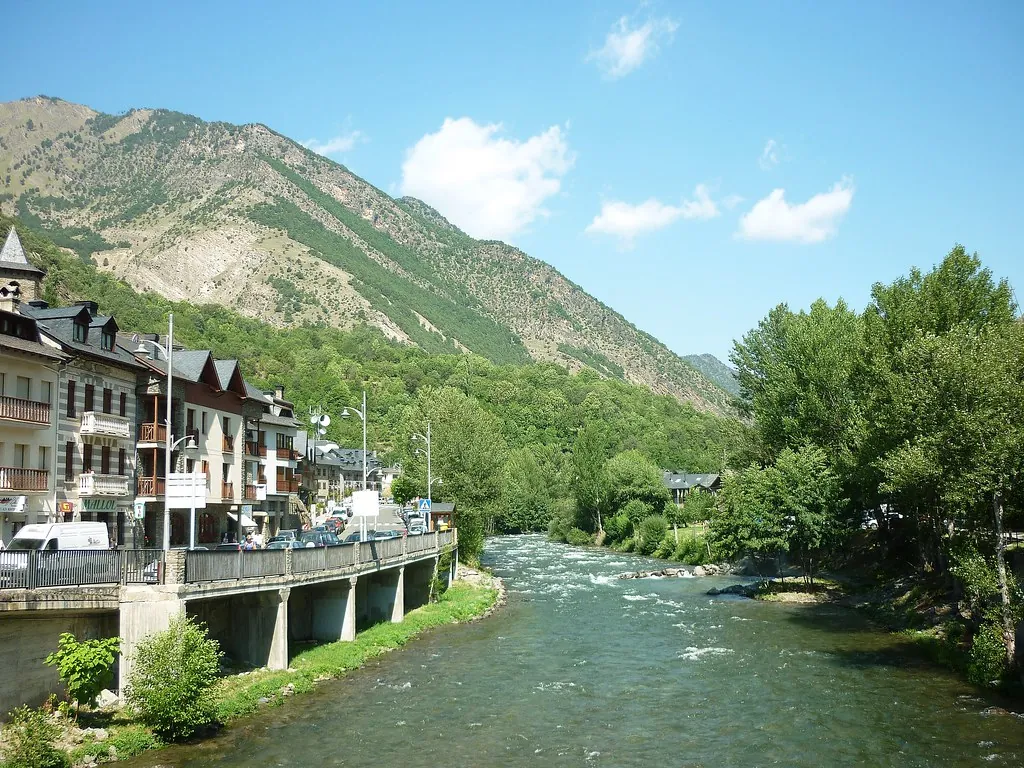
The road in from Sort climbs the Noguera de Cardós river until mobile signal gives up. Then the valley narrows, slate roofs appear like grey scales on the hillside, and the tarmac shrinks to a single lane with passing bays. Esterri sits at the last wide spot before the track turns into a forestry road bound for the 2,500 m peaks that seal the border. No souvenir stands, no boutique hotels, not even a cash machine—just stone, water and hay meadows that still belong to the families who cut them.
Walk the five minutes from one end of the village to the other and you pass a working smithy, a barn that doubles as the winter sheep shelter, and the sixteenth-century Casa Gassia whose heraldic crest has been eroded by weather to a ghost. The church of Sant Pere keeps similarly flexible hours; if the oak door is ajar you’ll find a single-nave interior painted ox-blood red and a Romanesque font that doubled as a grain measure during the Civil War. If it’s locked, nobody apologises—faith here is practical, not performative.
Walking Without Waymarks
Official maps exist, yet most trails are still the cobbled mule tracks that linked farmsteads long before cartographers arrived. A gentle introduction is the riverside path to nearby Ribera de Cardós: 45 minutes each way, flat enough for walking shoes, soundtrack provided by kingfishers and the clack of irrigation sluices. Mid-week you’ll meet more tractors than people.
For something steeper, follow the Camí Vell de Llagunes which zigzags through beech woods to the Cap de la Roca viewpoint. The climb is 500 m of thigh-work but the balcony panorama takes in the entire Cardós corridor and, on clear days, the silhouette of the three-thousand-metre massif that guards Andorra. There is no café at the top—bring water, and a sandwich wrapped in the paper the bakery uses because Tupperware feels ostentatious here.
Winter transforms the same route into a snow-shoe corridor. The road from Sort is kept open unless a proper tramuntana dumps a metre overnight, but chains are obligatory from December onwards. The reward is a valley muffled to cathedral hush, pine trunks creaking at –12 °C and the possibility of ibex tracks across the virgin white. Alpine skis are useless; there are no lifts, no pistes, no queues—just the up-and-down rhythm of your own breathing.
What Passes for Après-Ski
The valley’s single hotel, Llacs de Cardós, has twelve rooms, a wood-burning stove in the lounge and a dining room that seats twenty if everyone breathes in. Dinner is served at eight sharp; miss it and you’ll be offered bread, cheese and a shrug. The menu changes with whatever the proprietor’s brother has shot—wild boar stew in autumn, river trout when the melt-water isn’t too muddy, and a rice dish that tastes of saffron and pine smoke. A three-course meal with wine runs to about €24, roughly what you’d pay for a burger at a purpose-built resort.
Down the lane, Bar Cal Quimet unlocks at seven in the morning for the farmers and stays open until the last card game finishes. Coffee is €1.20, poured from a glass percolator that has been bubbling since 1987. They stock one brand of whisky—DYC—kept for funerals and the occasional British hiker who assumes all Spanish bars serve single malts. Ask for it and you’ll be charged tourist price without malice; it’s simply how things are balanced.
When the Village Remembers It Has Visitors
The feast of Sant Pere on 29 June drags exiles back from Barcelona and Toulouse. Suddenly the plaça holds three generations, a barbecue made from an oil drum, and a band that plays Catalan rumba with accordion and saucepans. The sole hotel books out nine months ahead; locals rent spare rooms for €40 cash and breakfast includes fresh cow’s milk still warm from the pail. By 2 July the rubbish lorry has taken the empty barrels away and the population drops back to sixty, plus whichever stray dogs have decided to stay.
August brings evening walks guided by the council’s outdoor office—free, but you need to sign a form acknowledging that mountain weather is “variable and potentially dangerous”. British walkers accustomed to Ordnance Survey precision will find the route descriptions endearingly vague: “Turn left at the big rock that looks like a bishop’s hat.” The hat is obvious only if you already know what a bishop wears.
Getting Here, Getting Out
No trains reach the valley. From the UK the simplest route is a flight to Barcelona Sants, then the fast train to Lleida and a rental car. The final 90 minutes from Lleida climb 1,000 m on the C-13, a road that demands fifth gear and nerves when the lorry drivers tailgate. Fuel up in Sort; the village pump closes for lunch and card machines don’t always speak to foreign banks.
Buses run twice daily from Sort to Esterri, timed to get schoolchildren out rather than tourists in. Miss the 15:30 and you’re walking thirteen kilometres or hitch-hiking—locals stop, but conversations will be in Catalan punctuated by gestures. Sunday services are non-existent; plan on a self-imposed exile until Monday unless you have wheels.
The Honest Verdict
Esterri de Cardós will not suit anyone who needs a flat white before eight or expects entertainment after nine. Rain can last three days, Wi-Fi crawls, and the nearest A&E is an hour away down a gorge. Yet if the measure of a holiday is the moment the mind finally empties of city static, this valley delivers faster than any mindfulness app. Come with waterproofs, cash and a willingness to greet every passing farmer. Leave the phrasebook optimism at home—here “bon dia” and a wave suffice, and the silence that follows feels like an invitation rather than a reproach.