Full Article
about La Vall de Cardós
Authentic Pyrenean valley; Romanesque churches and untouched nature
Ocultar artículo Leer artículo completo
A Valley That Time Almost Forgot
After 25 years of wandering Spain's hidden corners, I thought I'd seen every spectacular valley the Pyrenees had to offer. Then a local friend from Sort mentioned La Vall de Cardós almost in passing: "It's where we go when we want to remember what silence sounds like." Intrigued, I made the winding drive up into the mountains of Pallars Sobirà, and honestly, I felt like I'd stumbled into a secret that only 379 souls were keeping.
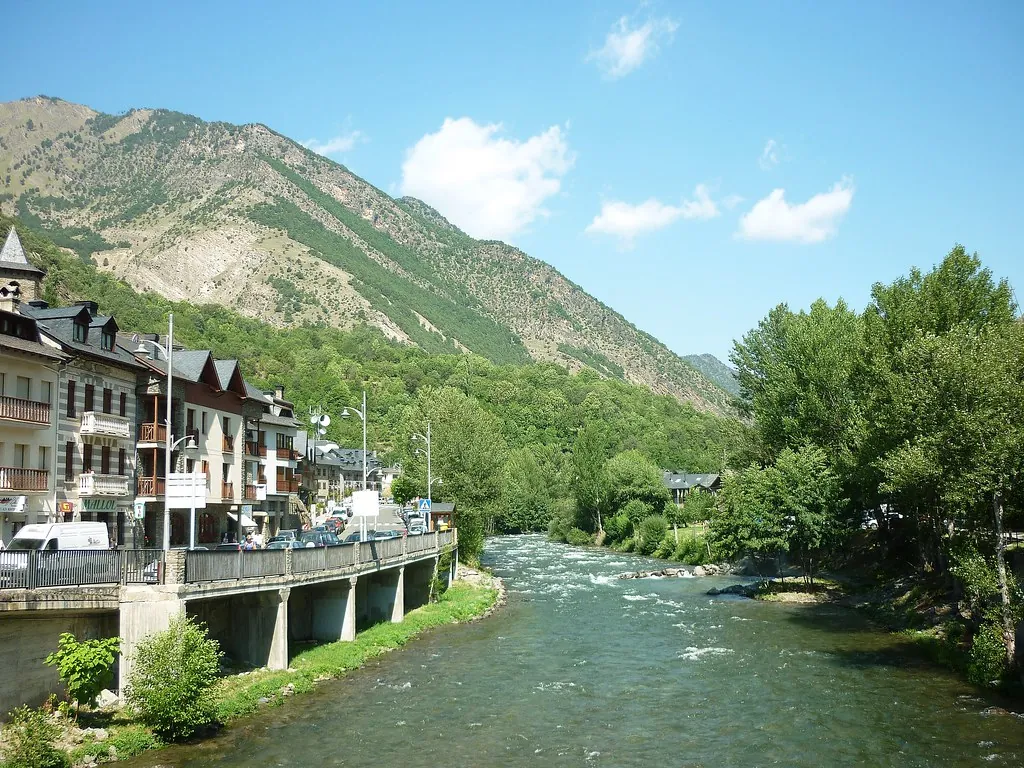
Perched at nearly 3,000 feet above sea level, this isn't your typical Spanish village break. This is pure, undiluted Pyrenean magic – the kind of place where the loudest sound you'll hear is the Noguera de Cardós river chattering over ancient stones, and the night sky puts any planetarium to shame.
Life at a Different Pace
What strikes you first about La Vall de Cardós isn't what's there – it's what isn't. No tour buses rumbling through narrow streets, no souvenir shops cluttering medieval corners, no queue for the "must-see" attraction. Instead, you'll find something increasingly rare: authentic mountain life continuing much as it has for centuries.
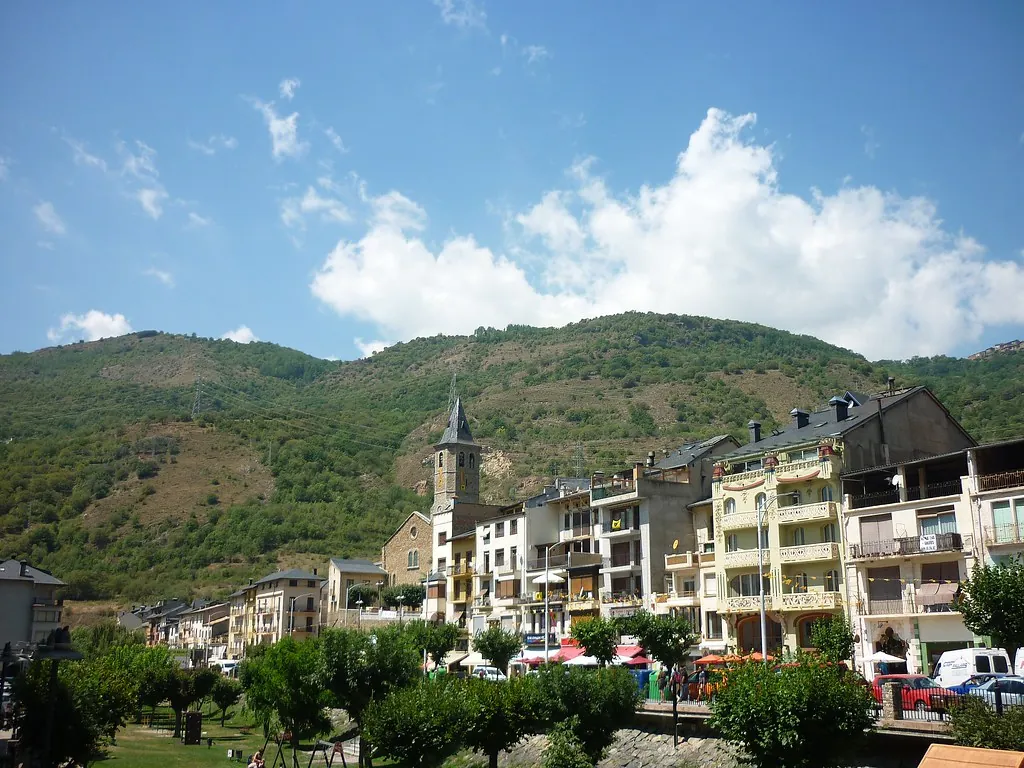
The valley is actually a collection of tiny hamlets scattered along the river, each with its own character but sharing that same soul-deep tranquillity. In Ribera de Cardós, the main settlement, morning mist clings to stone houses while locals chat over coffee at the one bar-restaurant. It's the kind of place where everyone knows everyone, and by day two, they'll know you too.
The rhythm here follows nature, not the clock. Farmers still tend sheep on impossibly steep hillsides, and the postman's van might be the only vehicle you see all morning. During siesta, even the church bells seem to whisper rather than chime.
Through a Resident's Eyes
The jewel in this valley's crown is the Església de Santa Maria de Ribera de Cardós, a Romanesque beauty that's been watching over these mountains since the 12th century. Unlike the grand cathedrals that tour groups flock to, this church feels intimate, personal. The stonework glows golden in the afternoon light, and the surrounding cemetery tells the story of generations who never wanted to leave this place.
Don't miss the medieval bridge at Cassibrós – it's a proper Indiana Jones moment crossing this ancient stone arch that's been defying mountain floods for hundreds of years. I always pack my camera for this spot, though honestly, no photo captures the way the light dances through the valley here.
The real treasure, though, is the walking. The Pyrenees don't give up their secrets easily, but the network of mountain paths around La Vall de Cardós rewards every step. The GR-11 long-distance trail passes through, but you don't need to be a serious hiker to enjoy the gentler valley walks. Spring brings wildflower meadows that would make Wordsworth weep, while autumn sets the beech forests ablaze in colours that seem impossible.
Where Locals Actually Eat
With a population under 400, dining options are refreshingly simple. The village restaurant (there's usually just one) becomes the beating heart of local life, especially on Sundays when families gather for long, leisurely lunches.
You must try the truita de riu – river trout that's so fresh it was probably swimming that morning. The local preparation is beautifully simple: grilled with just a touch of mountain herbs and a squeeze of lemon. Paired with patatas bravas and a crisp local white wine, it's mountain dining at its purest.
The bread comes from the valley's baker (yes, they still have one), and the cheese is often from the farmer whose sheep you passed on the way in. This isn't farm-to-table as a marketing gimmick – it's simply how things are done when your neighbours are also your suppliers.
The Practical Bits (From Hard-Won Experience)
Let me be absolutely clear about this: you need a car. Public transport to places like La Vall de Cardós is virtually non-existent, and even if it weren't, you'd miss half the magic of the journey. The mountain roads are spectacular but demanding – think hairpin bends and stomach-dropping drops. Rent something small and nimble; those narrow village streets weren't designed for Range Rovers.
The drive from Lleida takes about two hours, longer if you stop for photos (which you will). From Barcelona, allow three to four hours. Fill up with petrol before you head into the mountains – service stations are few and far between up here.
Spring and autumn are absolutely perfect for visiting. May brings those legendary wildflower displays, while September and October offer crystal-clear mountain air and forests dressed in their finest colours. Summer can be glorious but busy with Spanish holidaymakers escaping the heat of the cities. Winter? Beautiful if you love snow and solitude, but check road conditions first.
For accommodation, you're looking at rural houses and small mountain hotels rather than luxury resorts. Book well ahead, especially for autumn weekends when the leaves are turning. The locals who rent out rural properties often speak excellent English and can provide brilliant insider tips about the best walking routes and fishing spots.
Travel insurance is particularly wise for mountain destinations like this – not because it's dangerous, but because if you do twist an ankle on a hillside path, you want to know you're properly covered. The nearest major hospital is back in Lleida, so peace of mind is worth the modest cost.
A Secret Worth Keeping (Almost)
La Vall de Cardós isn't for everyone. If you need constant entertainment, WiFi that never fails, or shops on every corner, look elsewhere. But if you're after the increasingly rare gift of genuine tranquillity – the kind where your biggest decision is which mountain path to explore – then this valley might just change how you think about Spanish holidays.
The Pyrenees have kept this secret beautifully guarded, and visiting feels like being trusted with something precious. Just promise me you'll treat it with the respect it deserves.